Reporting snapshot · 24 September 2026. Pakistan's capital was being sealed off on Thursday ahead of a march on Islamabad planned by supporters of jailed former prime minister Imran Khan for Sunday, 27 September. The account rests on reports by AFP, Al Jazeera, The Express Tribune and Geo News. Personnel and container figures vary between outlets, and PTI's detention counts are the party's own claims; this is a dated snapshot, not a live tracker.
What happened
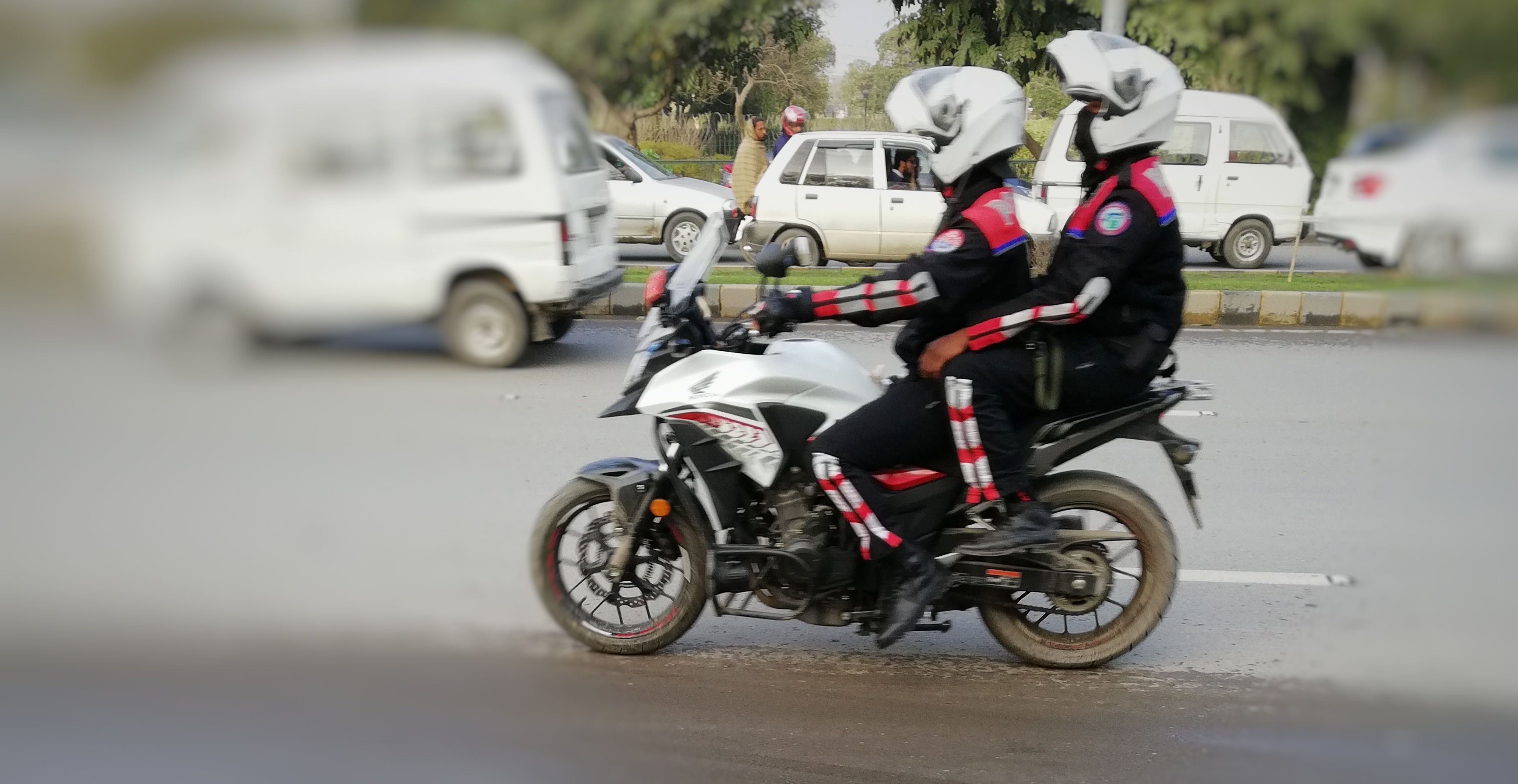
Pakistan’s capital was effectively locked down on Thursday, 24 September, as authorities blocked the main access routes with double-stacked shipping containers and readied tens of thousands of security personnel for the 27 September march. AFP journalists reported that key highways, entry points and major intersections were obstructed, severing transport links and bringing movement to a standstill, with motorbike riders squeezing between containers. Officials told AFP that 22,000 security personnel had been deployed to lock down the capital, barring entry and exit to Khyber Pakhtunkhwa, the province governed by Khan’s party.
The moves cap a security build-up under way for days. The Islamabad-Peshawar Motorway (M-1), the Islamabad-Dera Ismail Khan Motorway (M-14) and the Grand Trunk Road were closed from Wednesday evening, while the motorway from Lahore stayed open. Workers have welded shipping containers together and filled them with gravel and sand so they cannot be pushed aside, and schools and colleges have been told to shut so police from Punjab and Sindh can be housed there. Al Jazeera, citing media reports, put the container count at more than 2,000 across Islamabad and Attock Bridge, with about 19,000 police officers on their way from Punjab and Sindh.
The scale of the lockdown
The containment extends beyond the motorways. The Islamabad administration reminded citizens on Wednesday that Section 144 of the Code of Criminal Procedure, 1898, was in force in the capital for two months, barring gatherings of five or more, processions and demonstrations, The Express Tribune reported. The order, issued on 18 September by Additional District Magistrate Dr Anam Fatima, covers the high-security Red Zone; the administration also warned that gatherings were barred under the Peaceful Assembly and Public Order Act, 2024, punishable by up to three years in prison.
More than 43,000 personnel are to be deployed in the Rawalpindi Division — Attock, Rawalpindi, Murree, Jhelum and Chakwal — with about 30,000 in Attock alone, The Express Tribune reported. In Islamabad, more than 200,000 bags of soil, 110,000 tear-gas shells and 1,300 tear-gas guns are ready, and three routes to the Red Zone are already sealed. Punjab has separately imposed Section 144 and sought Rangers and mobile-internet downgrades around the march.
The government denies the capital has been shut down. Information Minister Attaullah Tarar said supporters did not need to come to Islamabad and that “no one will be allowed to shut down the city”; junior interior minister Talal Chaudhry called the containers “precautionary measures, not a shutdown.” Rana Ihsaan Afzal, a coordinator to the prime minister, told Al Jazeera the measures carried “their own consequences” but were needed for “the bigger picture.” Interior Minister Mohsin Naqvi has promised a “permanent plan of action,” ruling out a prolonged sit-in.
Detentions and the courts
The crackdown has gone beyond barricades. All three of Imran Khan’s sisters — Aleema Khan, Dr Uzma Khan and Noreen Niazi — are under 30-day preventive detention under the Punjab Maintenance of Public Order Ordinance, 1960, held at Kot Lakhpat Jail in Lahore. Aleema Khan was detained on Sunday, and her sisters in a predawn raid on their homes on Monday, according to a family statement reported by Al Jazeera. The Lahore deputy commissioner’s orders accused the women of mobilising supporters through social media and incitement against state institutions.
PTI says the arrests reach far wider, listing five members of the National Assembly, a senator, provincial legislators and more than 1,500 workers, and says one lawmaker taken from the parliament lodges has not been traced. These are the party’s own counts, unverified. PTI chairman Barrister Gohar Ali Khan noted that four women from Khan’s family — his wife Bushra Bibi and his three sisters — are now in jail. “We were peaceful, we are peaceful, and we will remain peaceful. We are being punished for being peaceful,” he said in Peshawar.
The challenge is before the Lahore High Court. On Thursday, Geo News reported that a court heard petitions against the detention of Uzma Khan and Noreen Niazi filed by Noreen’s daughter, with lawyers seeking immediate suspension of the notifications. The court, presided over by Justice Abher Gul Khan, declined to suspend the orders at this stage and issued notices to the Punjab government and other respondents, seeking replies. A separate petition challenging Aleema Khan’s detention, filed by her son Shahraiz Khan, was before the same court, which had earlier sought arguments on whether it was maintainable.
Why it matters
The lockdown is the largest political-security confrontation of the year, unfolding during one of the deadliest weeks for Pakistan’s security forces. An attack on a police compound in Kohat on 18 September killed more than 20 people, and six soldiers were killed in a gunfight in nearby Hangu two days later. Interior Minister Naqvi set those losses against the march, describing a province where “our soldiers were killed, our policemen were killed, and these people are preparing to storm a city.”
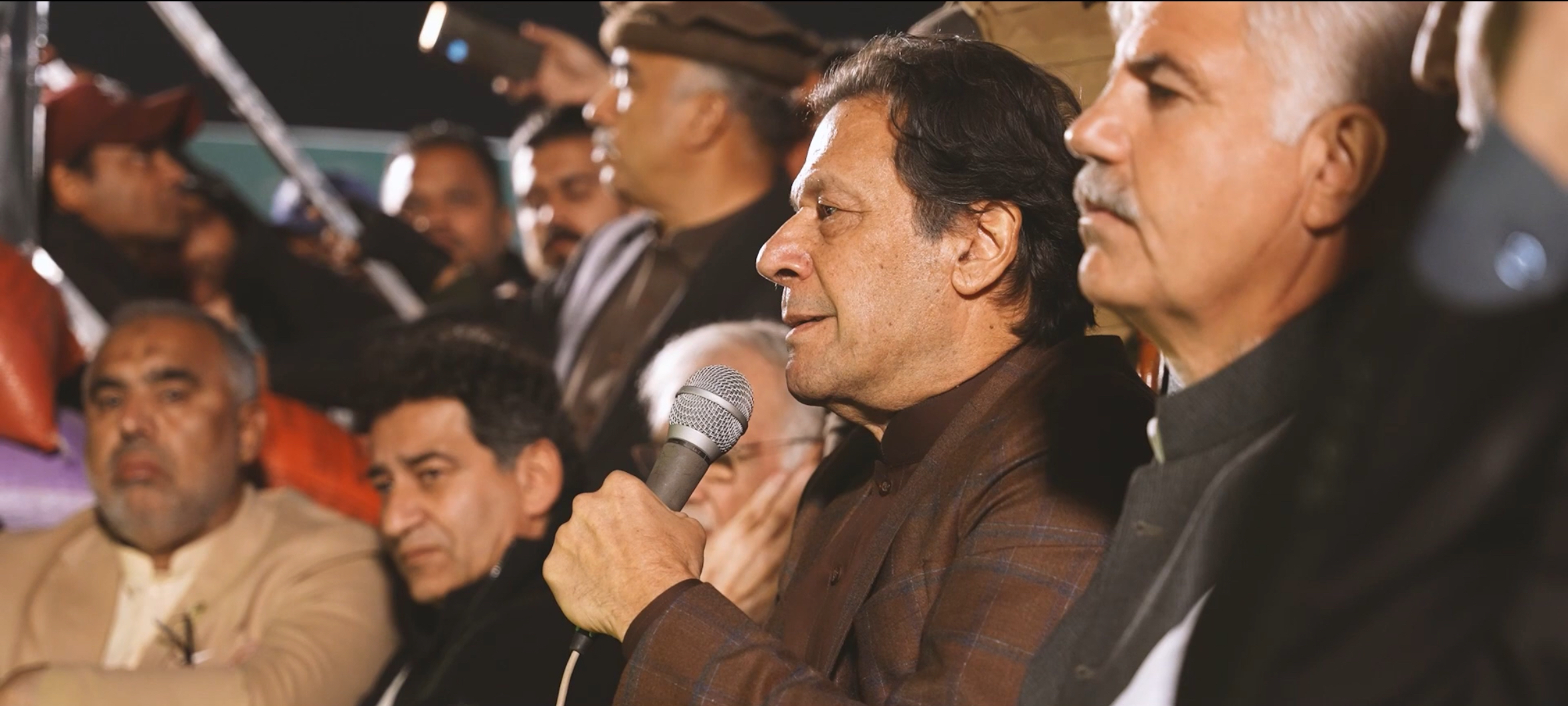
The scale also stands out against recent history. Dawn has said in an editorial that the government appears to be preparing “not for a political event but an invasion.” The last PTI march on Islamabad, in November 2024, ended in an overnight crackdown in which the party says at least 12 supporters were killed; the government denies that. The party announced the march in August, and Khyber Pakhtunkhwa Chief Minister Sohail Afridi, who will lead it, says “the long march is not a T20, it will be a Test match.”
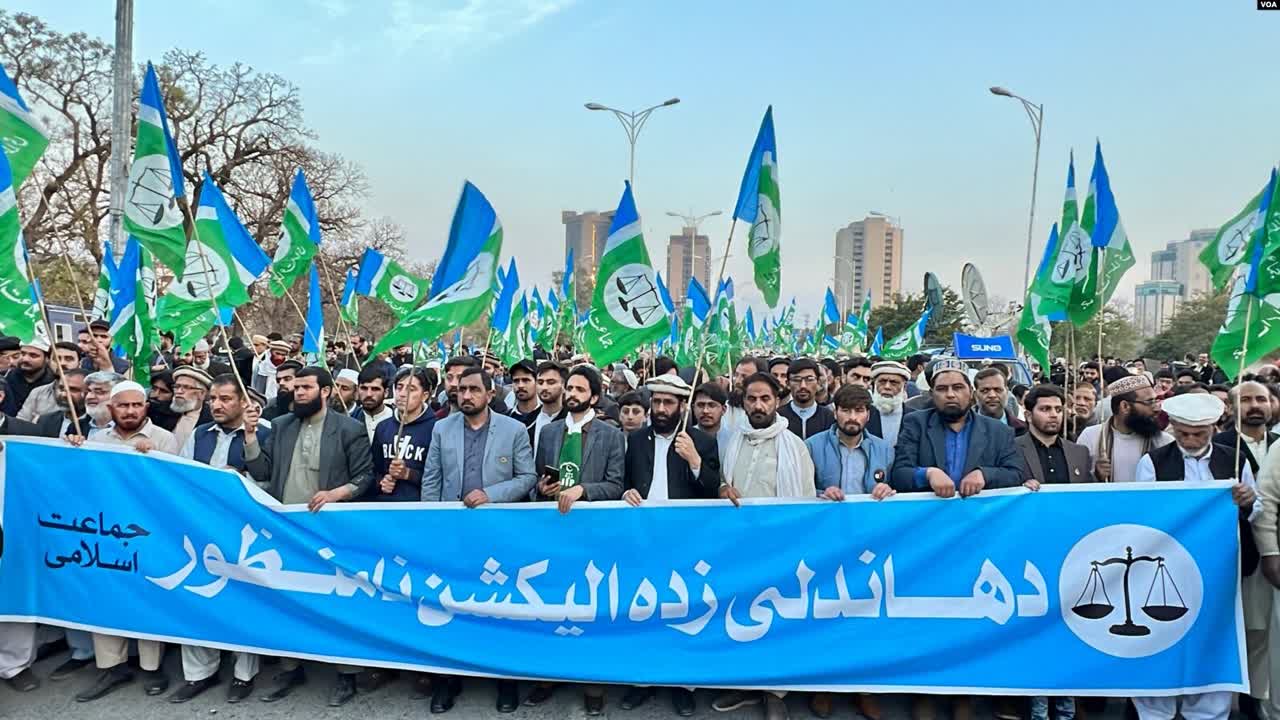
The legal dimension matters too. Preventive detention of the sisters — all over 65 — under a 1960 public-order law that allows detention without charge, and the mass arrests of activists, have drawn criticism from human-rights groups, and the court’s response will test the government’s case. Analysts cited by Al Jazeera also point to pressures behind the government’s posture: petrol has risen to 393.75 rupees a litre, up about 51 rupees since September, driving a Jamaat-e-Islami march postponed after Prime Minister Shehbaz Sharif telephoned its leader. The worry, in this telling, is that price anger and Khan’s incarceration could converge.
What is still uncertain
The immediate questions are whether the march reaches Islamabad on Sunday and how far the government goes to stop it. The Islamabad High Court ruled on 18 September that no party may block roads into the capital or use state resources for the march — a judgment the government says it is enforcing and PTI rejects. PTI has not finalised whether its convoy will press through the blocked corridors, hold at border sit-ins, or shift to the open M-2 route; a detailed plan is due on 25 September.
Several facts are contested or in flux. Container and personnel figures vary; PTI’s detention counts are unverified; and the federal government has not announced whether it will approve the request to downgrade mobile and internet services around the march. The court petitions over the sisters’ detention remain pending. This is a dated snapshot as of the evening of 24 September.
Sources & reporting notes
This is a synthesis of published material, not eyewitness reporting. Sources were reviewed on 24 September 2026. The lockdown account rests on AFP (via The Straits Times), Al Jazeera, The Express Tribune and Geo News. PTI's detention figures are party claims and have not been independently verified.
- Geo News — LHC rejects petitions seeking immediate suspension of Imran's sisters' detention orders24 September 2026 · Primary account of the Lahore High Court hearing: refusal to suspend the MPO orders on Uzma Khan and Noreen Niazi, notices to the Punjab government, and the status of Aleema Khan's petition.
- Al Jazeera — 'Source of anxiety': Pakistan cracks down before march to free Imran Khan24 September 2026 · Independent reporting and analysis of the lockdown, the container barriers, the sisters' detention and the wider political stakes.
- Agence France-Presse (via The Straits Times) — Pakistan deploys thousands of security forces ahead of planned protest24 September 2026 · Independent wire reporting of the sealing of Islamabad, the 22,000 personnel figure, the sisters' detention and PTI's claim of about 1,500 activists detained.
- The Express Tribune — Section 144 imposed in Islamabad as PTI gears up for Sept 27 protest24 September 2026 · Independent report of the Islamabad Section 144 order and the deployment figures across the Rawalpindi Division and the capital.