What happened
Consumer inflation returned to double digits for the first time in 21 months, with prices rising by nearly 11 per cent year-on-year in April, according to Pakistan Bureau of Statistics data reported on 2 May 2026.
The last time inflation was above 10 per cent was in July 2024, when the Consumer Price Index (CPI) stood at 11.1 per cent. On a month-on-month basis, prices rose 2.48 per cent in April. Urban inflation was 11.11 per cent year-on-year, against 10.56 per cent in rural areas. Inflation for July to April was 6.19 per cent in 2025-26, up from 4.73 per cent in the same months a year earlier, against a government target of 7 per cent for the fiscal year.
The increase was driven largely by transport costs, which rose 15.47 per cent month-on-month at the national level, and perishable food items, up 15.25 per cent. Housing, water, electricity, gas and fuels rose 2.43 per cent. Food inflation was 6.9 per cent in urban areas and 7.3 per cent in rural areas year-on-year, while non-food inflation was 13.8 per cent in urban areas and 13.6 per cent in rural areas. Core inflation, which excludes volatile food and energy, was 8 per cent in urban areas and 8.5 per cent in rural areas.
Why it matters
The reading reflects a growing squeeze on household budgets from higher fuel and transport charges and rising perishable food prices. Energy prices rose during the month amid the continued blockage of the Strait of Hormuz, through which most of Pakistan’s energy imports are routed; Prime Minister Shehbaz Sharif has said the weekly oil import bill has jumped to $800 million from $300m before the war that began on 28 February.
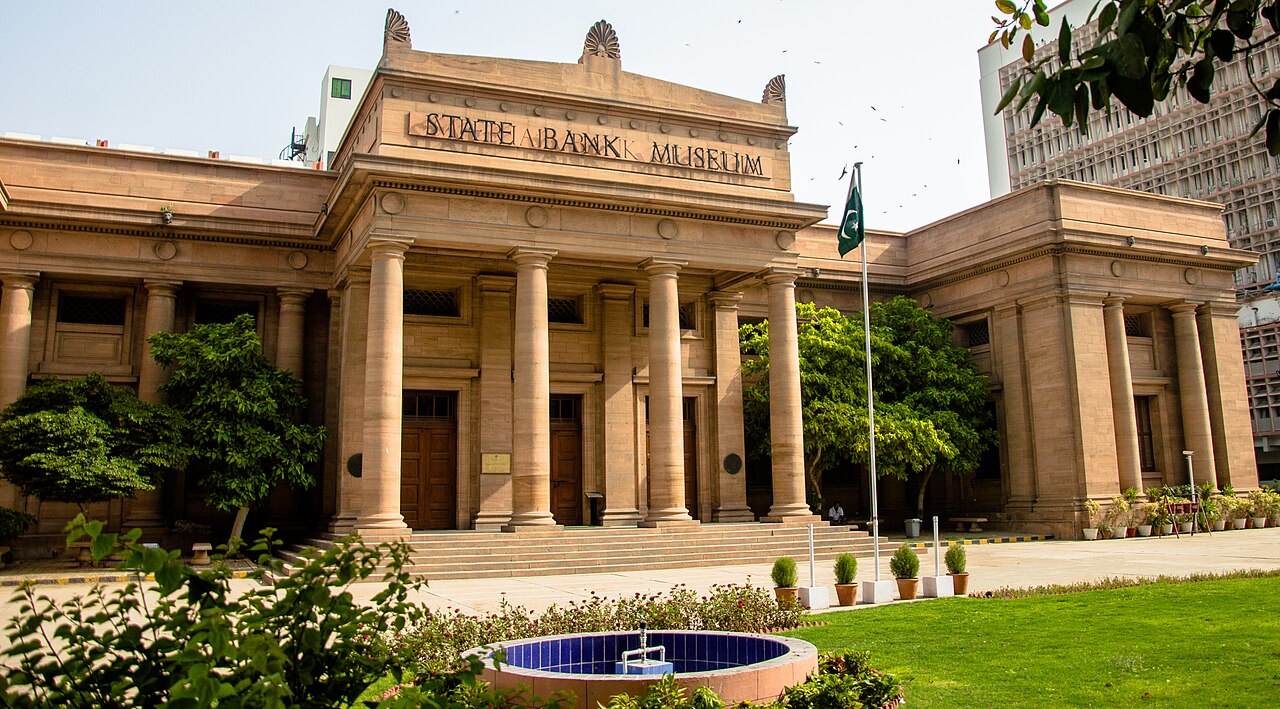
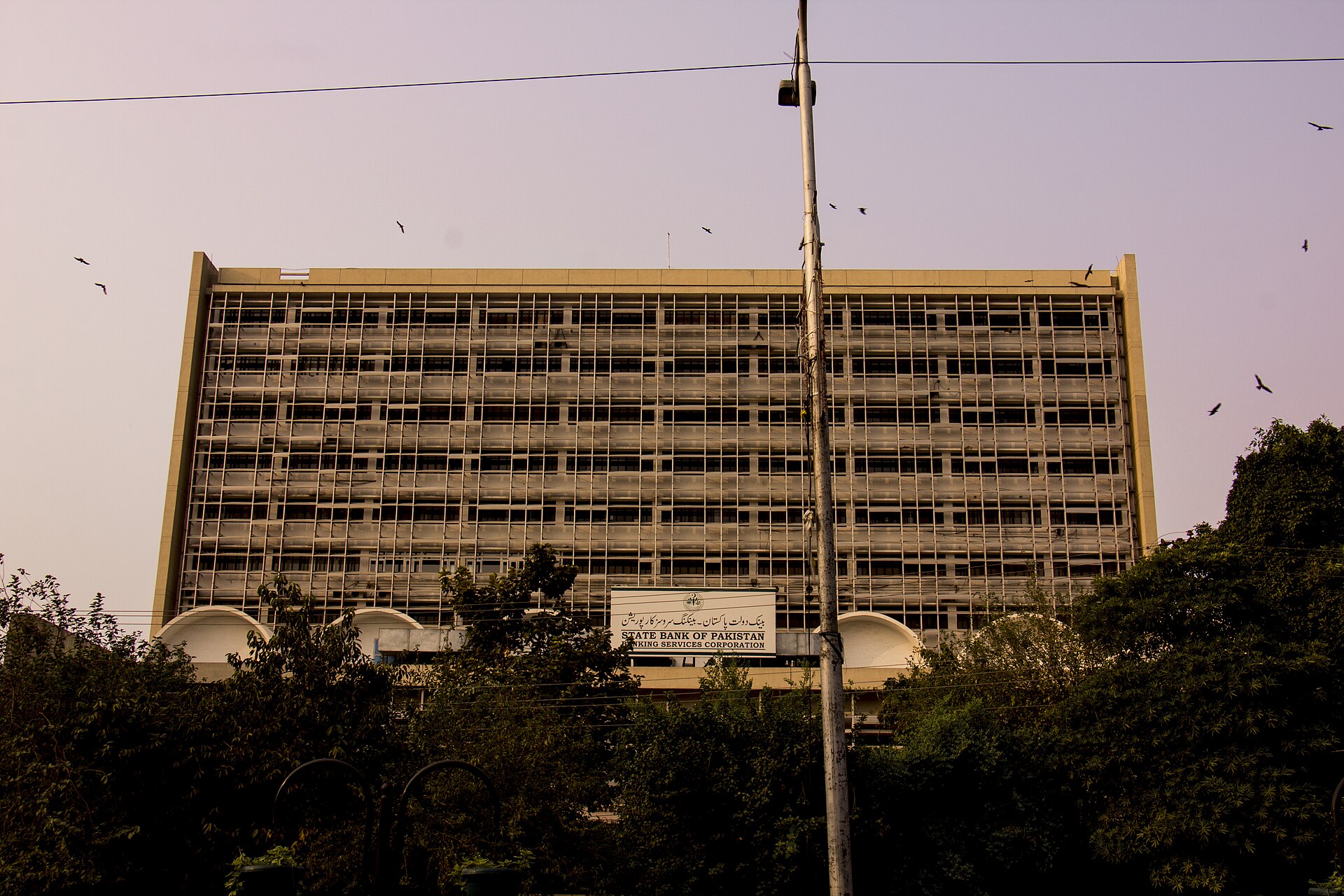
The State Bank of Pakistan raised its policy rate by 100 basis points to 11.5 per cent in response to the price pressures. Former economic adviser Dr Ashfaq H. Khan criticised the decision, arguing that the United States Federal Reserve held its policy rate steady because the inflationary pressure stemmed from supply shocks rather than demand, and that tightening policy in a supply-driven environment raises production costs and can lead to stagflation. KhabarWire reported on the State Bank’s rate decision and on the increase in petroleum prices.
What is still uncertain
The government has projected inflation of 7 per cent for the current fiscal year, and it is not yet clear how long the disruption in the Strait of Hormuz and the associated energy costs will persist. The Pakistan Bureau of Statistics did not give a forward estimate in the April release, and the central bank has not said whether further rate action is planned.
Sources & reporting notes
This is a synthesis of published material, not eyewitness reporting. Sources were reviewed on 2026-05-02.
- Primary source — Dawn: “Inflation hits double digits for first time in 21 months”2 May 2026 · Reports the April CPI data released by the Pakistan Bureau of Statistics, the price drivers, and the policy-rate debate.