What happened
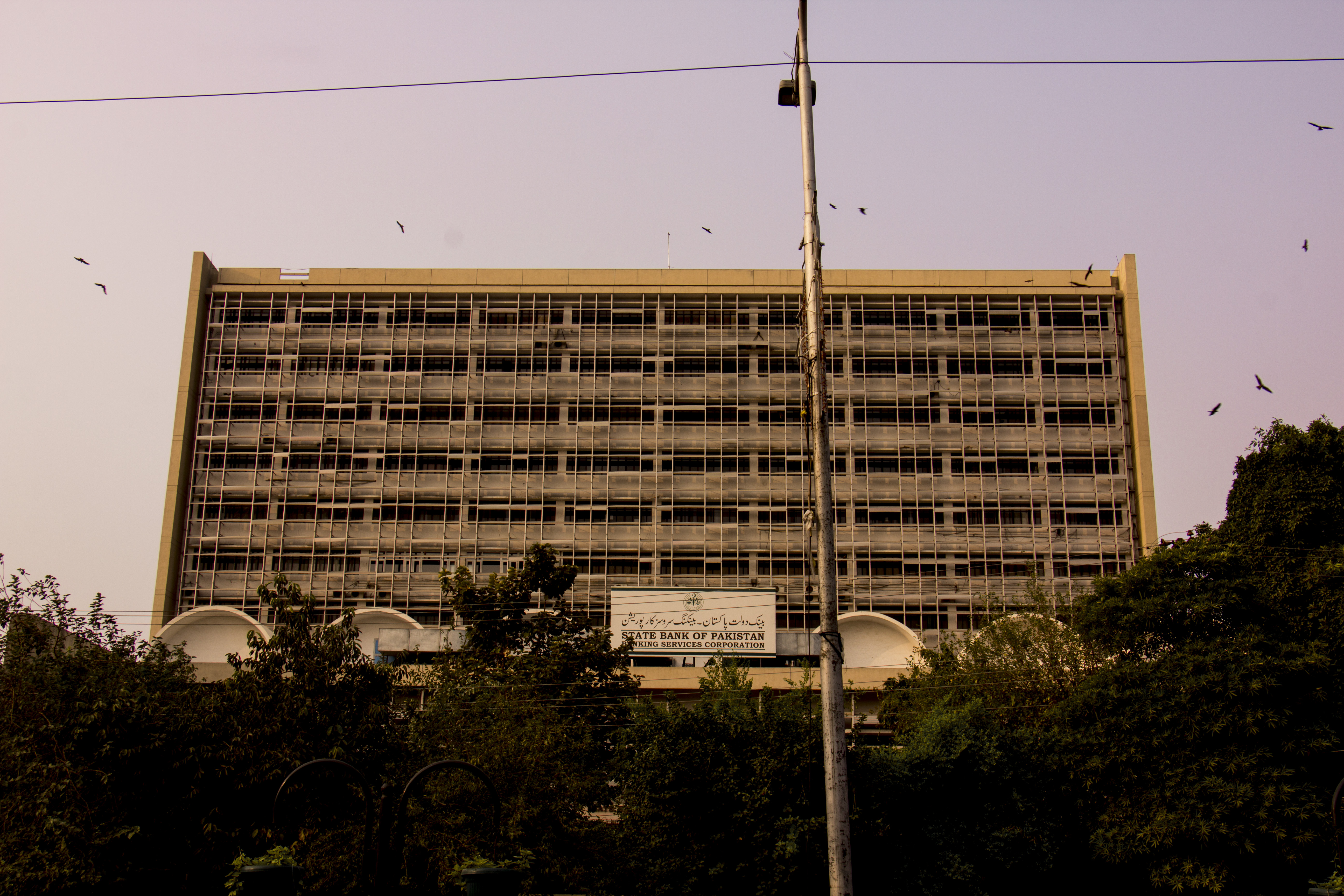
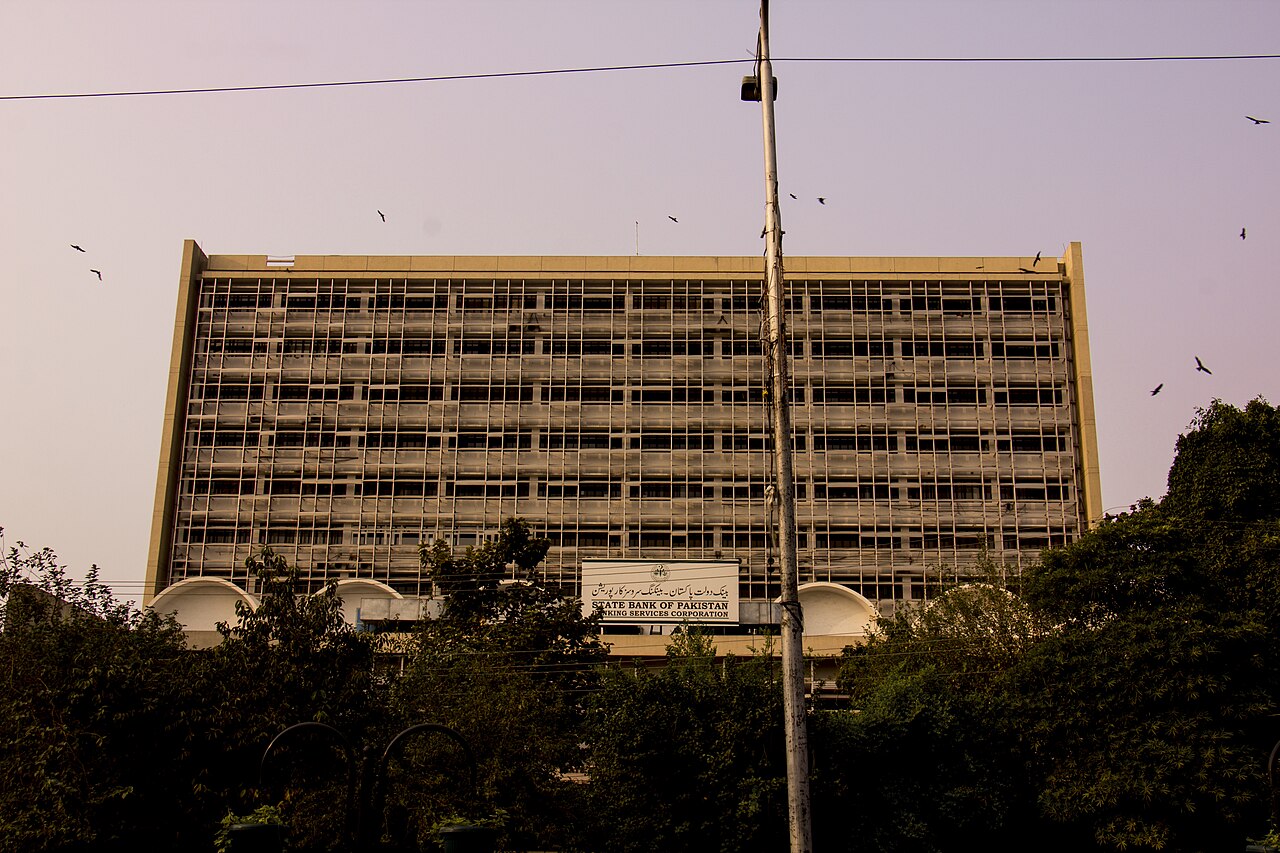
The State Bank of Pakistan (SBP) left its policy rate unchanged at 10.5 per cent, pausing an easing cycle under which it had cut the benchmark rate by a cumulative 1,150 basis points since mid-2024 from a record 22 per cent in 2023. Dawn reported the decision on 10 March 2026, saying the Monetary Policy Committee (MPC) had described the macroeconomic outlook as “quite uncertain” after the outbreak of war in the Middle East.
Why it matters
The MPC said the conflict had led to a sharp increase in global fuel prices, freight and insurance costs, while also affecting cross-border trade and travel. It said the intensity and duration of the conflict would both be important determinants of its impact on the domestic economy, and warned of “a high degree of uncertainty” in the outlook for international commodity prices and supply-chain disruptions.
The committee said Pakistan’s macroeconomic fundamentals — especially inflation, foreign exchange and fiscal buffers — were better than at the start of the Russia-Ukraine war in early 2022, and that the outlook for key macroeconomic variables in FY26 remained within earlier projected ranges. It nonetheless said risks to that outlook had “increased significantly”.
Inflation rose to 5.8 per cent in January and further to 7 per cent in February, while core inflation stood at around 7.6 per cent. Large-scale manufacturing grew 4.8 per cent during July-December FY26, but Federal Board of Revenue tax collection remained below target and rose 10.6 per cent during July-February FY26 — below the pace needed to meet the annual target. The MPC expected real GDP growth to remain within 3.75–4.75 per cent in FY26 and the current account deficit within 0-1 per cent of GDP.
What is still uncertain
The committee said inflation may remain above 7 per cent in the remaining months of FY26 and into FY27. It repeated that the timely realisation of planned official inflows was needed to build SBP foreign exchange reserves to $18 billion by June 2026, and noted that workers’ remittances continued to finance a significant part of the trade deficit. Fiscal operations showed an overall surplus and a primary surplus close to last year’s level, led by contained expenditures and lower interest payments. Dawn noted the central bank has continued to purchase dollars from the interbank market to build reserves. KhabarWire reported the previous policy hold in January.
Sources & reporting notes
This is a synthesis of published material, not eyewitness reporting. Sources were reviewed on 10 March 2026.
- Dawn — "SBP holds interest rate at 10.5pc amid global unrest"Published 10 March 2026 · The 10.5pc hold, the cumulative 1,150-basis-point easing since mid-2024, the MPC's war-related uncertainty language, January and February inflation of 5.8pc and 7pc, core inflation of about 7.6pc, July-December FY26 large-scale manufacturing growth of 4.8pc, 10.6pc July-February FBR tax growth, the 3.75-4.75pc FY26 GDP projection, the 0-1pc current account forecast, the $18bn June 2026 reserves target and continued interbank dollar purchases.