What happened
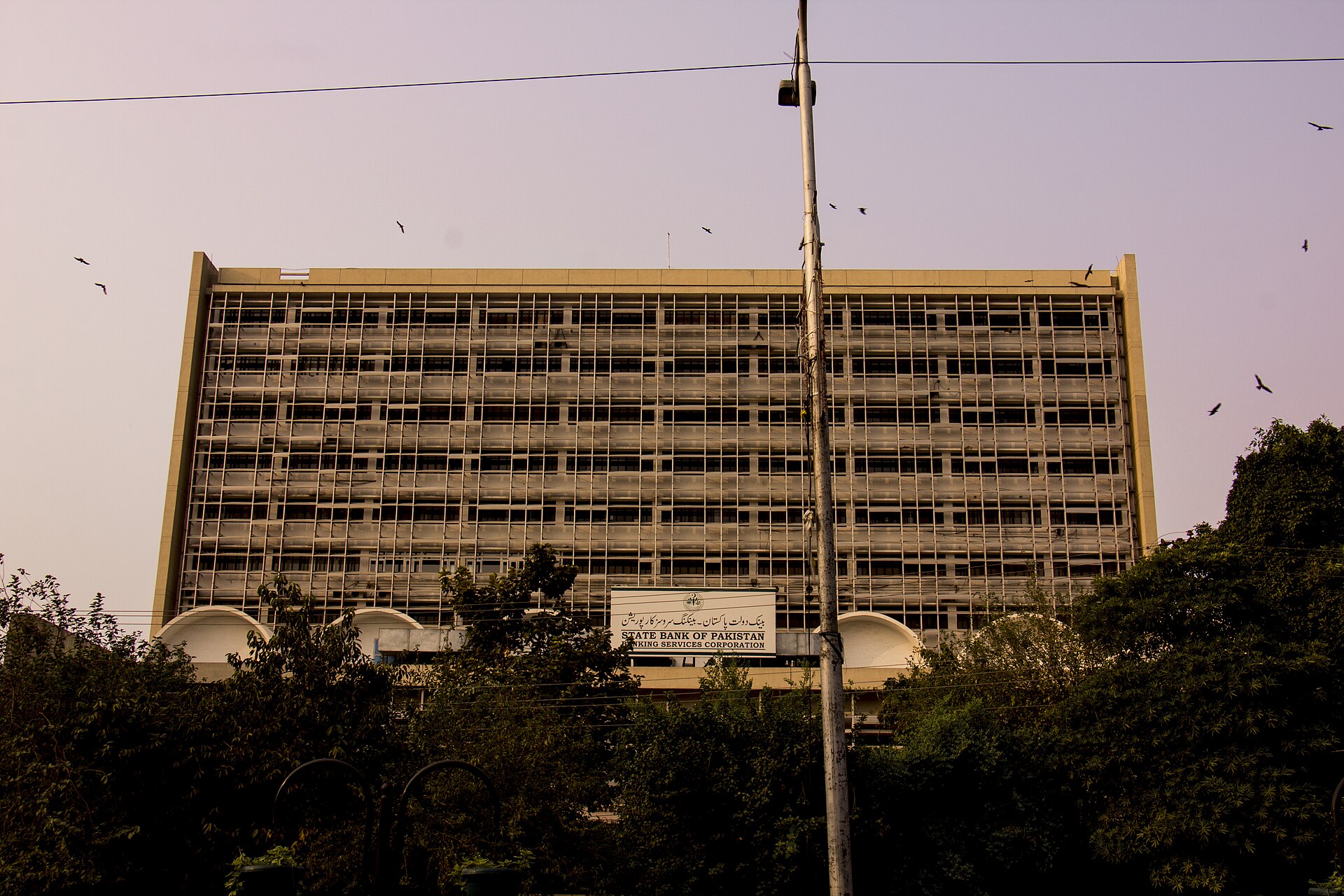
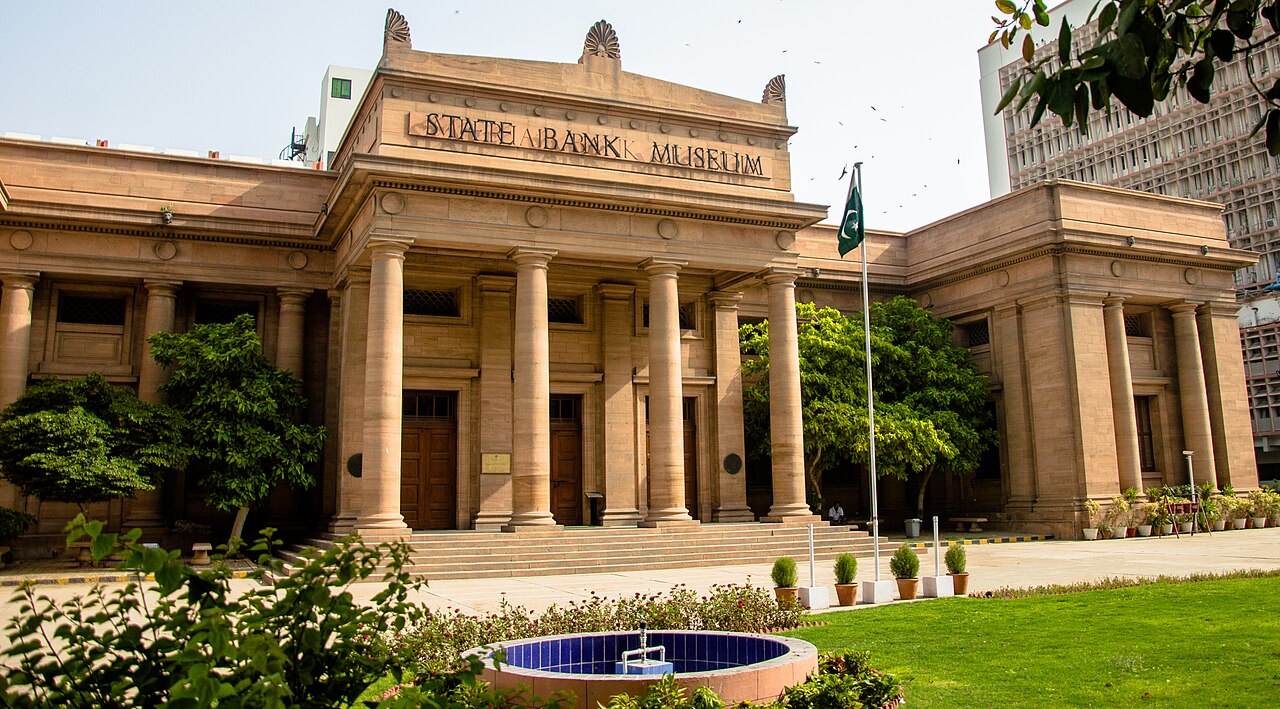
The State Bank of Pakistan (SBP) on Monday raised its key policy rate by 100 basis points to 11.50 per cent, the first increase in almost three years, saying the Middle East conflict risked pushing inflation higher in the import-dependent economy.
In a statement after its Monetary Policy Committee (MPC) meeting, the SBP said the committee “decided to raise the policy rate by 100 basis points to 11.50pc” with effect from Tuesday. The MPC’s detailed statement noted that “the prolonging of the Middle East conflict has intensified risks to the macroeconomic outlook”, adding that global energy prices, freight charges and insurance premiums remain “significantly above pre-conflict levels”.
The committee said supply chain disruptions had added to the “prevailing uncertainty” and that the impact of these global developments would show up in key economic indicators going forward. It assessed inflation was “likely to increase and remain above the target range in the next few quarters” and therefore deemed it “necessary to maintain a tighter policy stance to keep inflation expectations anchored and contain second-round effects of the current supply shock”.
Why it matters
The hike is the first since 2023 and ends a stretch in which the SBP had held the policy rate at 10.5 per cent since December 2025, after cutting by a cumulative 1,150 basis points from a record high of 22 per cent since June 2024.
The Dawn report noted that higher interest rates yield more for exporters and remitters but create problems for importers, and increase the debt burden of a government that borrows heavily to fund itself. The MPC said the decision was important to preserve macroeconomic stability and support sustainable growth.
Among the “key developments” the MPC cited were inflation rising to 7.3 per cent in March and core inflation inching up to 7.8 per cent, along with weaker consumer and business confidence. It said real GDP grew 3.8 per cent in the first half of FY26, compared with 1.9 per cent a year earlier, and that the current account posted a small surplus during July–March FY26. Foreign exchange reserves stood at around $15.8 billion as of 24 April, it added, and a staff-level agreement with the International Monetary Fund was reached on 27 March 2026.
What is still uncertain
The MPC said the inflation outlook was subject to risks including the duration and intensity of the conflict, the pass-through of global energy prices into the domestic economy, and potential fiscal slippages. It projected that the current supply shock “may push inflation to double digits in the coming months before it starts to ease”, and that inflation is expected to stay above the upper bound of the 5–7 per cent target range for most of FY27.
Sources & reporting notes
This is a synthesis of published material, not eyewitness reporting. Sources were reviewed on 2026-04-27.
- Primary source — Dawn: "Central bank increases policy rate by 100bps to 11.5pc"27 April 2026 · Report on the 100 basis point hike, the MPC statement, inflation and growth data, reserves, and market expectations.
- State Bank of Pakistan — Monetary Policy Committee statement27 April 2026 · Official statement cited by the report for the decision and the committee's assessment.