Reporting snapshot · 2 November 2026. The programme has confirmed the case but has not said whether the child had been vaccinated or when a targeted round will reach her union council, and the national tally can still change as surveillance and laboratory work continue.
What happened
Pakistan’s national polio programme confirmed its eighth wild poliovirus case of 2026 on Sunday, a 13-month-old girl in Khyber district of Khyber Pakhtunkhwa, a day before a sub-national vaccination round is due to offer drops to nearly 24 million children.
The National Emergency Operations Centre (NEOC) said the child is from Union Council Janbaz-B in Bara tehsil, Geo News reported. It is the second case recorded in Khyber district this year and the sixth in the province, the outlet said. The Express Tribune and Pakistan Today reported the same district and union-council details and the same provincial breakdown.
Of the eight cases confirmed so far this year, six are from Khyber Pakhtunkhwa — including four in the province’s southern districts — and two from Sindh, according to the NEOC figures the outlets published. The seventh was reported in Karachi, which The Express Tribune covered at the time.
One of Sunday’s reports carried an older count in its body text, describing seven cases nationally with one in Sindh, even as its headline and the other accounts said eight with two in Sindh. The provincial breakdown of six and two matches the eight-case total, and the discrepancy appears to be an unrevised line rather than a competing figure.
The confirmation follows a quieter stretch than last year. After Pakistan recorded 31 cases in 2025, the programme has now confirmed eight in 2026, with the fifth reported in Bannu in late September and the first found in Sujawal district in March.
Why it matters
The programme describes the overall trend as a sharp decline: it says cases have fallen 99.8 per cent from an estimated 20,000 a year in the early 1990s to 31 in 2025 and eight so far this year. A single case still matters because polio has no cure and can cause lifelong paralysis, and because each detection is a signal about where immunisation has gaps.
The signal in Khyber district is not only the paralysed child. The NEOC said environmental samples from the Peshawar block, which takes in Peshawar and Khyber districts, have tested positive for poliovirus, indicating that the virus is circulating among people rather than appearing in a single isolated infection. That makes unvaccinated and under-vaccinated children in the same area the immediate concern.
The numbers behind the response are large. The Pakistan Polio Eradication Initiative says it has run four nationwide campaigns in 2026, reaching more than 45 million children more than once, alongside smaller rounds using oral and injectable vaccines in high-risk areas. A sub-national campaign in September vaccinated more than 29.3 million children. The November round is smaller than those nationwide efforts but more narrowly aimed at the districts where transmission has persisted.
The case also lands against a long record of uneven progress. Pakistan and Afghanistan are the last two countries where wild poliovirus has never been interrupted, and case counts have swung sharply from year to year. Eight cases in ten months is well below the 2025 total, but the programme’s own surveillance data show that the virus has not been pushed out of the Peshawar valley and the southern districts of Khyber Pakhtunkhwa.
The campaign starting today
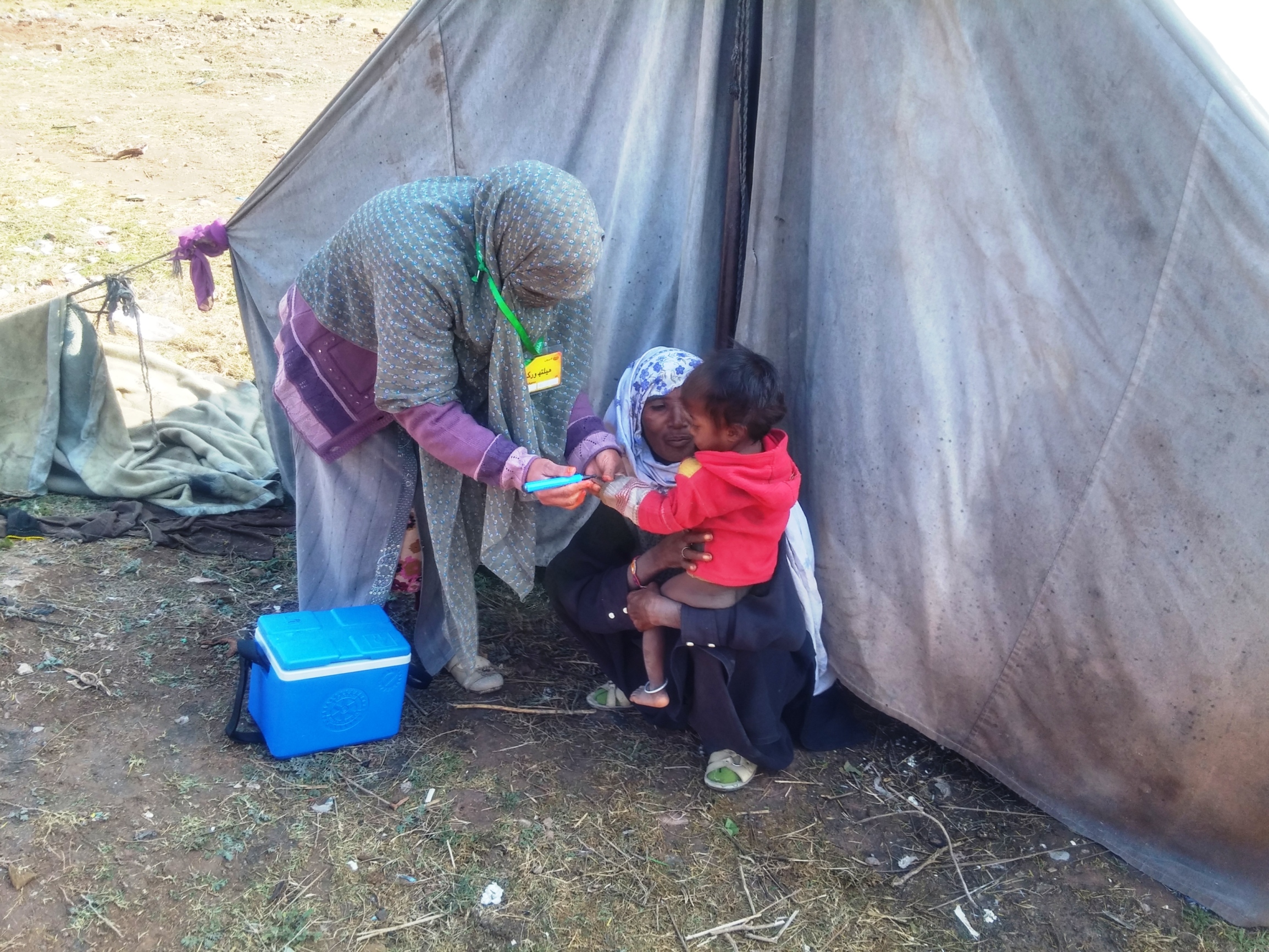
The sub-national campaign runs from Monday, 2 November, to 8 November in 97 districts and is intended to reach nearly 24 million children under the age of five, the NEOC said. Khyber district, where the new case was found, is among them, and The Express Tribune reported that every district of Karachi is included as well.
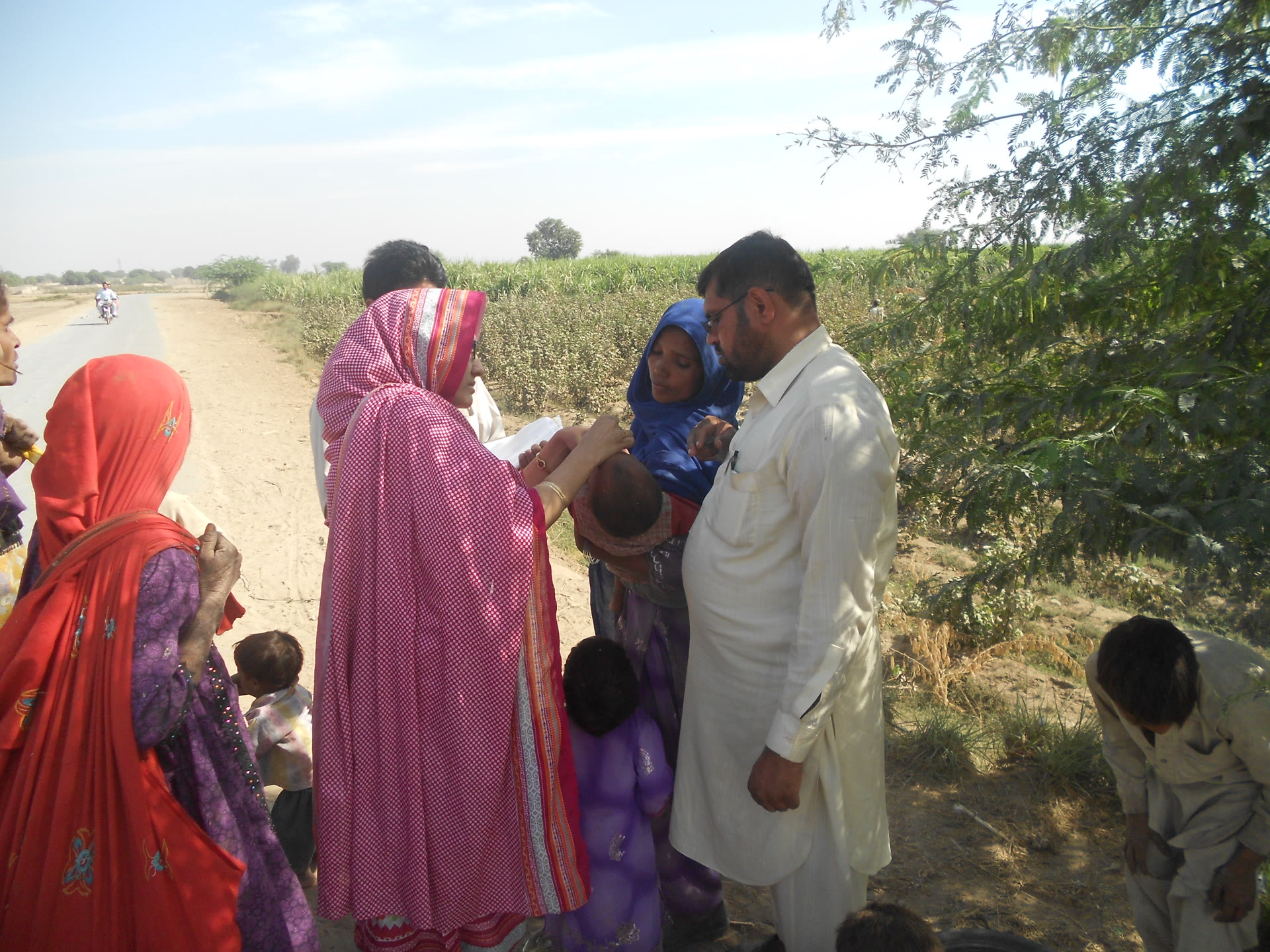
The programme said it has launched a case investigation and is assessing what it calls science-based responses to stop further transmission, including targeted vaccination and support for routine immunisation in the areas judged most vulnerable. Frontline workers are expected to go house to house, and the initiative has asked parents to ensure every child under five receives drops in this round and completes the routine schedule.
It has also appealed to communities, religious leaders and media to counter misinformation and help teams find children who were missed in earlier rounds. The programme frames that as a collective responsibility rather than a logistical one: repeated doses are what build immunity, and a campaign that reaches most children but misses a cluster can leave the virus with somewhere to spread.
What is still uncertain
The NEOC has not said whether the 13-month-old girl had received any polio doses, so it is not yet possible to say whether this is a case of a missed child, an incomplete immunisation schedule or vaccine failure. The programme has also not published a genetic link between this isolate and earlier cases in Khyber district or the positive environmental samples from the Peshawar block.
Coverage from the round that begins today will not be known for weeks. Campaign monitoring typically reports the number of children reached and the proportion found absent or refusing; those figures will show whether the districts at the centre of this outbreak are being covered at the level the programme intends. The national tally can still rise, because surveillance in Pakistan is designed to find paralytic cases wherever they occur and because the programme counts confirmed cases, not suspected ones.
What is clear is the immediate sequence: a case confirmed on 1 November, a campaign beginning on 2 November, and a province that has supplied six of this year’s eight cases. Whether that timing helps interrupt transmission in Khyber district will be the test of the next several weeks.