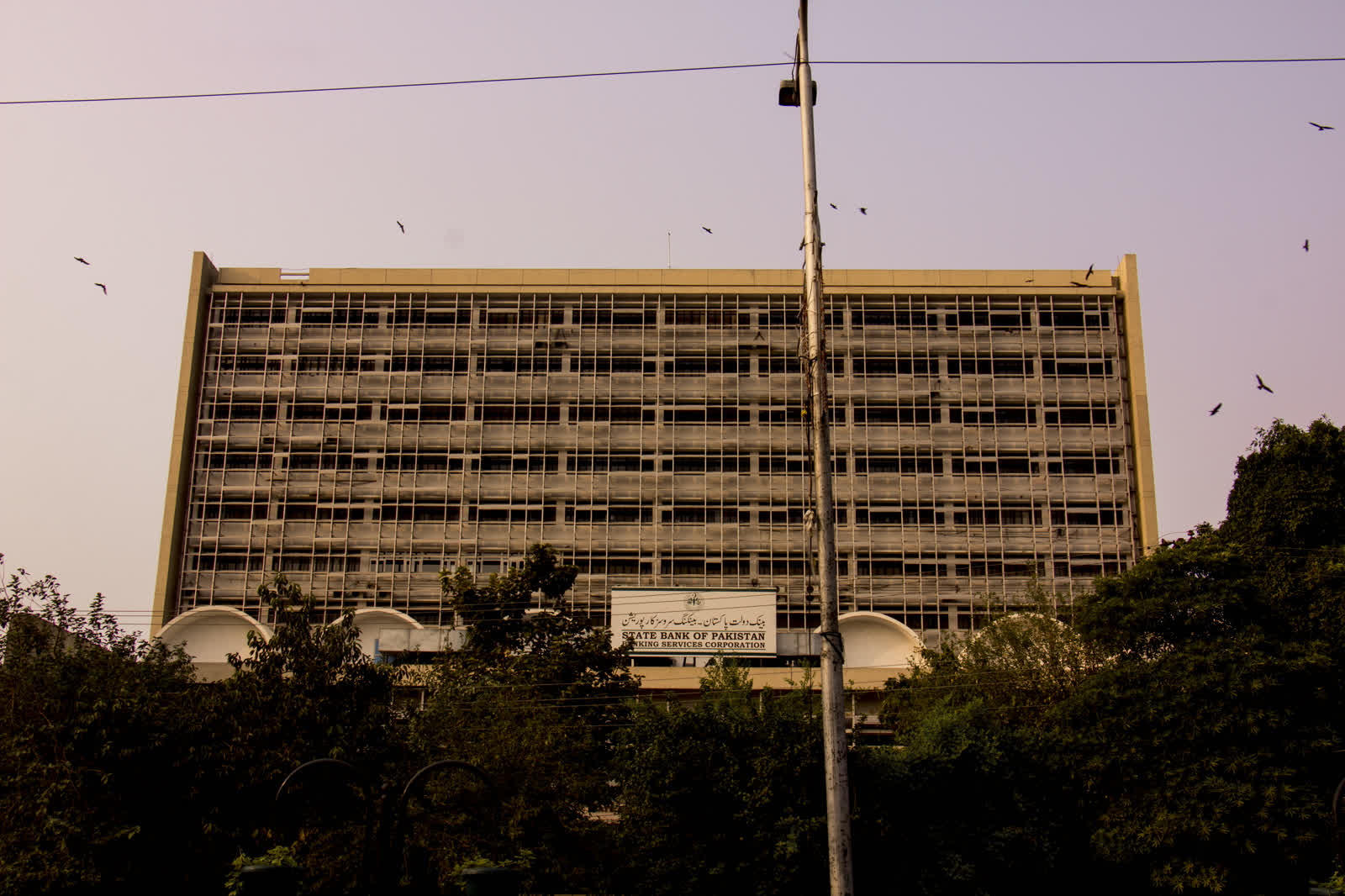
Reporting snapshot · 4 October 2026 (Asia/Karachi). The federal government has told the International Monetary Fund (IMF) that it intends to recover more than Rs110 billion in provincial electricity arrears by adjusting the National Finance Commission (NFC) transfers owed to the provinces, according to reporting by The Express Tribune on 3 October that was carried the same day by Profit by Pakistan Today. The mechanism has not been agreed with the provinces, the State Bank of Pakistan has not been asked to execute any deductions, and the IMF Executive Board has not approved the proposal. The figures below rest on those reports and on the Power Division's briefing to the IMF on the parallel circular-debt stock. Numbers and the legal mechanism may change before any agreement is finalised.
What happened
The federal Power Division and Finance Division have agreed on a procedure to adjust outstanding provincial electricity dues against the NFC transfers the federal government makes to the four provinces each month, The Express Tribune reported on 3 October, with Shahbaz Rana as the byline. At least Rs110 billion in arrears has been identified for recovery through the mechanism, with nearly Rs50 billion planned for early recovery, according to the sources cited by Tribune and the same-day Profit by Pakistan Today report that attributed the figures to The Express Tribune.
The deduction proposal is being negotiated inside the IMF’s fourth review of Pakistan’s $7 billion Extended Fund Facility (EFF) and the third review of the $1.4 billion Resilience and Sustainability Facility (RSF), which together would unlock about $1.2 billion in additional disbursements once the Executive Board approves a staff-level agreement. The review mission, led by Iva Petrova, has been in Islamabad since the technical round at the State Bank of Pakistan in late September, and KhabarWire reported on 3 October that the first Memorandum of Economic and Financial Policies (MEFP) draft had been shared the same day. The NFC-deduction item sits inside that package alongside the Rs1.675 trillion circular-debt breach already flagged by the Fund and the demand to end the 200-unit electricity cross-subsidy in favour of a targeted subsidy routed through the Benazir Income Support Programme. The same review is the same one KhabarWire previewed in mid-September when the agenda was first reported.
The Power Division separately briefed the IMF on the underlying stock of power-sector circular debt, which had increased by Rs61 billion during the last fiscal year to Rs1.675 trillion, attributing the rise to lower-than-budgeted subsidies and a payment dispute with K-Electric. The IMF asked whether savings elsewhere in the power system could have reduced the circular-debt stock, and was told that smart meters were being installed to help resolve billing disputes with provincial governments. The same briefing covered the planned DISCO privatisation and the open question of whether the government would continue its uniform electricity tariff policy after privatisation.
Why it matters
Why it matters
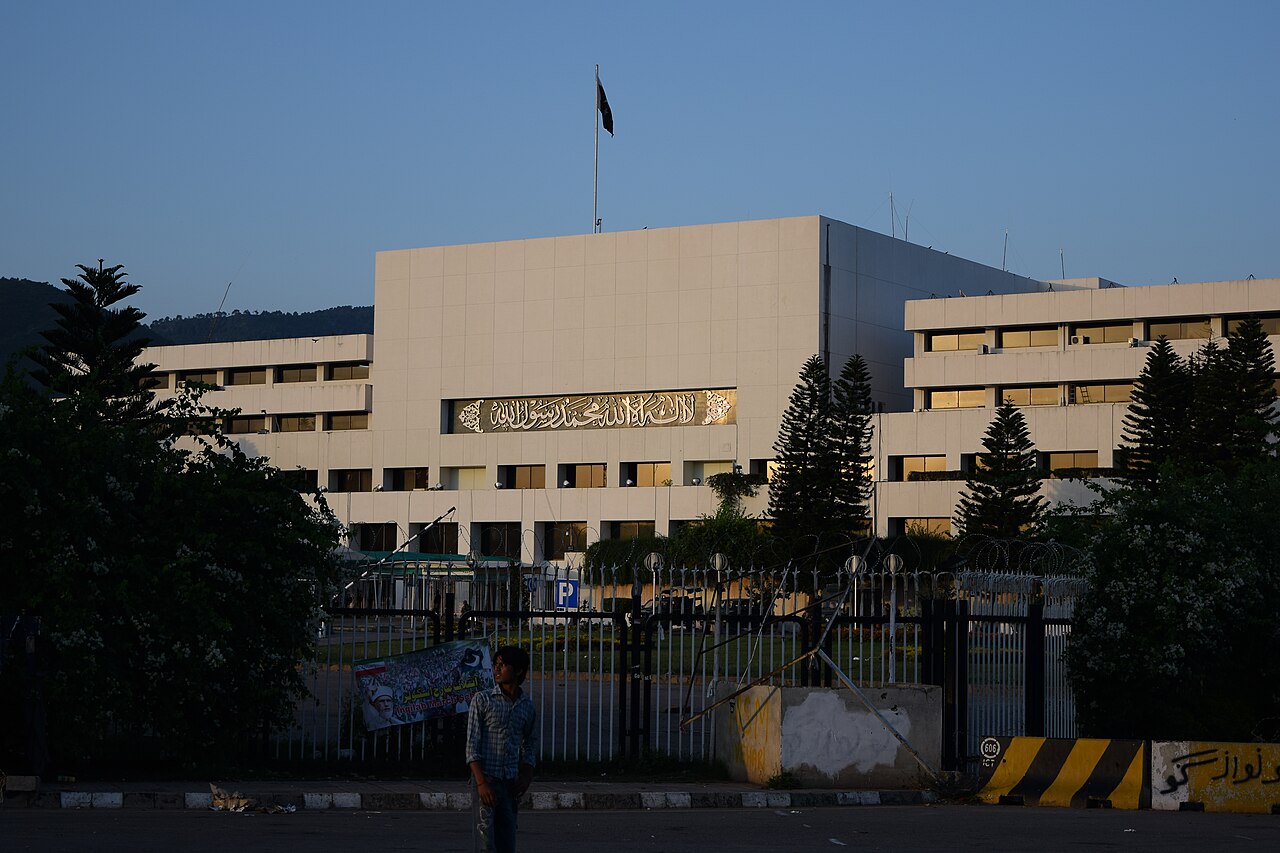
The Rs110 billion figure is small against the Rs1.675 trillion circular-debt stock, but the mechanism is large in fiscal-constitutional terms. The NFC award governs the share of the federal divisible pool each province receives every month, and any deduction from those transfers changes the terms of inter-governmental fiscal federalism. Provincial governments have previously opposed attempts to deduct electricity dues from their NFC shares, and it remains unclear whether they have given the written consent and debit authority required for the State Bank of Pakistan to make the deductions, Profit by Pakistan Today reported. The June attempt to freeze provincial shares and redirect up to Rs1.7 trillion to the Centre ran into a parallel NFC impasse over the budget; the Rs110 billion deduction is the next iteration of the same squeeze.
The IMF’s response has been to raise concerns that the recoveries could further strain provincial finances, which are already under pressure from requirements to generate a Rs1.7 trillion cash surplus and to provide Rs1.036 trillion in cash grants. The Fund has not rejected the mechanism, and its willingness to discuss the proposal inside the MEFP negotiation is the first sign that the federal government has tested an off-budget recovery path with its largest external creditor. The Power Division’s pledge to use smart meters to resolve DISCO billing disputes is the lever that would, in theory, prevent the same stock from building up again.
The K-Electric dispute is the other loose end inside the same briefing. K-Electric has not been making timely payments for electricity purchased from the federal government amid disagreements over subsidy claims, and the federal government is willing to clear more than Rs100 billion in K-Electric claims subject to settlement of tariff-related issues. Nepra has approved a tariff of Rs32.37 per unit for K-Electric, below the Rs40 the company had sought; the company is expected to challenge the decision in court. Resolving the K-Electric dispute and clearing the Rs110 billion in provincial arrears are the two pieces of the Rs1.675 trillion circular-debt puzzle the federal government most needs to address before the EFF review can close.
What is still uncertain
The most important open question is whether the provinces will agree. The deduction mechanism cannot be executed by the State Bank of Pakistan without written consent and debit authority from each provincial government, and past attempts to recover similar dues through the NFC have stalled because of provincial resistance. None of the four chief ministers has publicly endorsed the proposal as of the morning of 4 October.
Several other items on the same MEFP track are unresolved. The IMF is pushing for an end to the 200-unit cross-subsidy in favour of a targeted subsidy through BISP from January 2027. The Fund is also asking the government to refrain from any new fuel subsidy, which is the open thread of the 2 October fuel-subsidy deadlock. The Sovereign Wealth Fund amendment is another open condition, and the IMF has not yet confirmed whether the next $1.2 billion disbursement will come in November or slip into the next quarter.
The Rs110 billion figure itself may move. It is the reconciled arrears balance the Power Division has so far been able to confirm, and the early-recovery tranche of Rs50 billion is the only portion on the table today. The remaining Rs60 billion or so would presumably be recovered in subsequent NFC cycles, subject to provincial consent, and may be reduced or expanded as the reconciliation continues.
Sources & reporting notes
This is a synthesis of published material, not eyewitness reporting. Sources were reviewed on 4 October 2026 (Asia/Karachi). The Rs110 billion NFC-deduction figure, the Rs50 billion early-recovery tranche, the Power and Finance Divisions' agreement, the IMF's response, the Rs1.675 trillion circular-debt stock and the K-Electric and DISCO-privatisation discussion rest on The Express Tribune's 3 October story by Shahbaz Rana, as carried the same day by Profit by Pakistan Today. The 3 October MEFP-draft reporting and the 200-unit-to-BISP subsidy swap are drawn from Profit by Pakistan Today's separate coverage of The News. The 2 October fuel-subsidy and gas-receivables deadlock that frames the same review is drawn from Profit by Pakistan Today's coverage of Dawn and The News. The Ministry of Finance and the IMF have not published the underlying documents.
- The Express Tribune — Govt may deduct Rs110b from NFC3 October 2026 · Shahbaz Rana's original account of the Rs110 billion deduction figure, the Rs50 billion early-recovery tranche, the Power and Finance Divisions' agreement, the IMF's concerns about provincial finances, the Rs1.675 trillion circular-debt stock, the K-Electric dispute, the DISCO privatisation discussion and the uniform-tariff-policy question.
- Profit by Pakistan Today — Govt plans to recover over Rs110 billion power arrears from provincial NFC shares amid IMF concerns3 October 2026 · Independent confirmation of the Rs110 billion figure, the Rs50 billion early-recovery tranche, the Power and Finance Divisions' agreement, the IMF's response on provincial finances, the Rs1.675 trillion circular-debt stock and the K-Electric and DISCO-privatisation discussion.
- Profit by Pakistan Today — IMF shares draft Memorandum of Financial and Economic Policies as Pakistan talks enter final stretch3 October 2026 · The same-day account of the first MEFP draft, the fourth-review context, the $1.2 billion combined EFF and RSF disbursement, the Rs1.675 trillion circular-debt breach and the 200-unit-to-BISP subsidy swap.
- Profit by Pakistan Today — Pakistan, IMF talks hit deadlock over fuel subsidy, Rs1.4 trillion gas receivables2 October 2026 · The 2 October fuel-subsidy and gas-receivables deadlock that frames the same review, including the IMF's call to end cross-subsidies, the targeted-subsidy alternative and the Rs3.6 trillion gas circular-debt stock.