Reporting snapshot · 1 November 2026 (Asia/Karachi). The handover itself is settled: the finance ministry announced it on 1 November and the G-24's own Bureau page had not yet been updated to match. The open questions are about the year ahead. The bloc's reform positions were fixed in the communiqué its October ministerial meeting issued in Bangkok, not by Pakistan, and the three priorities the finance ministry set out on 1 November carry no figures and no dates.
What changed on 1 November
Pakistan formally took over the chairmanship of the Intergovernmental Group of Twenty-Four on Sunday, 1 November 2026, and Finance Minister and Revenue Senator Muhammad Aurangzeb set out the agenda for the year in a statement from the finance ministry, The Associated Press of Pakistan reported. Geo News carried the same three priorities, and Radio Pakistan published the ministry’s statement, describing the chairmanship as a “profound responsibility” that calls for renewed international cooperation and stronger multilateral institutions.
The three priorities are development-led growth at the centre of global economic policymaking, a stronger voice for developing economies in multilateral institutions, and reform of the international financial architecture. Under the third heading the ministry listed affordable and timely development financing, sustainable debt solutions, stronger global financial safety nets, climate resilience and greater mobilisation of public and private capital. Aurangzeb said the test of collective leadership was tangible development outcomes, and pledged to move “from collective voice to collective influence”, according to The Thursday Times.
Prime Minister Shehbaz Sharif called the handover “a significant diplomatic milestone in recognition of Pakistan’s effective role on the global economic stage”, Radio Pakistan reported, and said the chairmanship would give Pakistan a platform to press for reform of the international financial architecture. Aurangzeb acknowledged Nigeria’s leadership as outgoing chair, and the ministry’s statement said the year would be guided by the group’s principles of consultation, consensus and collective advocacy, working with members across Africa, Asia, Latin America and the Caribbean alongside the IMF and World Bank.
This completes a handover announced in Bangkok on 14 October, when Aurangzeb, then first vice-chair, set out the same three priorities and said Pakistan would take over from Nigeria, The Express Tribune reported. KhabarWire covered that announcement and noted that the secretariat’s confirmation of the handover had not yet been posted. That confirmation has now come from Pakistan’s own ministry rather than from the G-24’s published records.
What the chair year involves
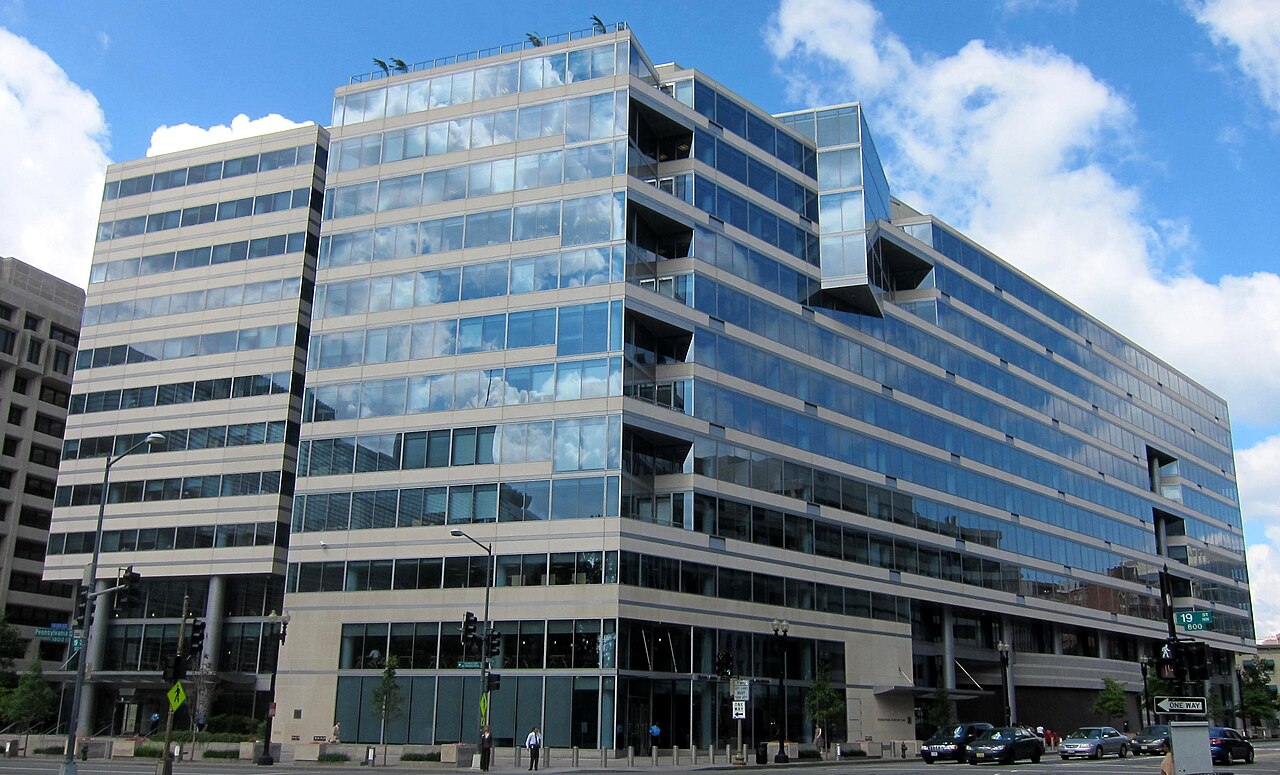
The G-24 is the bloc of developing countries that coordinates common positions at the IMF and the World Bank, and its chairmanship is an agenda-setting and convening role rather than a policy lever over any country’s programme. Its Bureau comprises the chair, first and second vice-chairs and two previous chairs, and the group’s own rules provide that the minister of the chair-country serves a one-year term running from the conclusion of that year’s Annual Meeting of Ministers to the next year’s meeting, that the chair-country prepares for meetings and runs the group’s press conference alongside the two vice-chairs, and that at least one country from each of three regional groupings is always represented. Decisions are taken by consensus. The Bureau’s governing body meets twice a year, ahead of the spring and autumn meetings of the IMF’s International Monetary and Financial Committee and the World Bank’s Joint Development Committee, and the group’s Secretariat, based at IMF Headquarters in Washington, D.C. runs its research programme and liaison work.
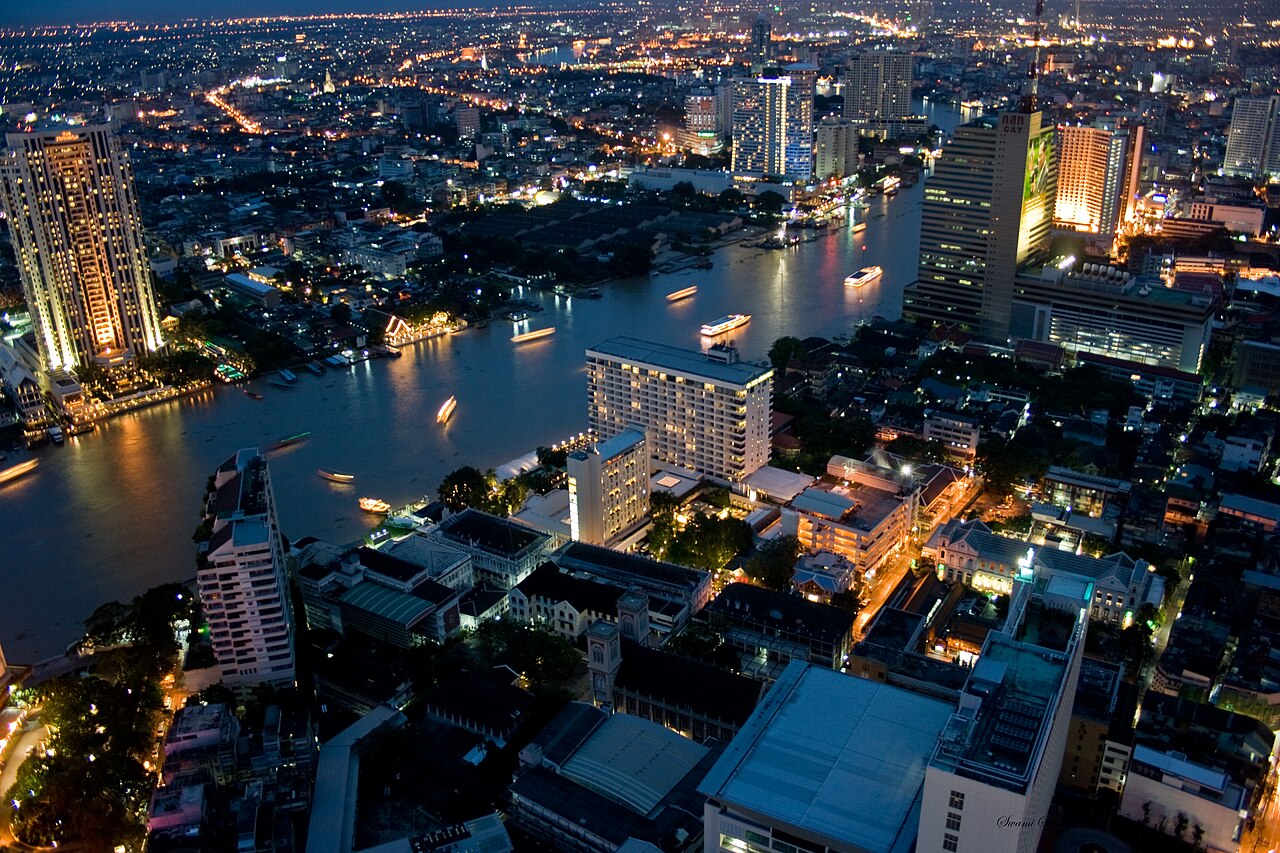
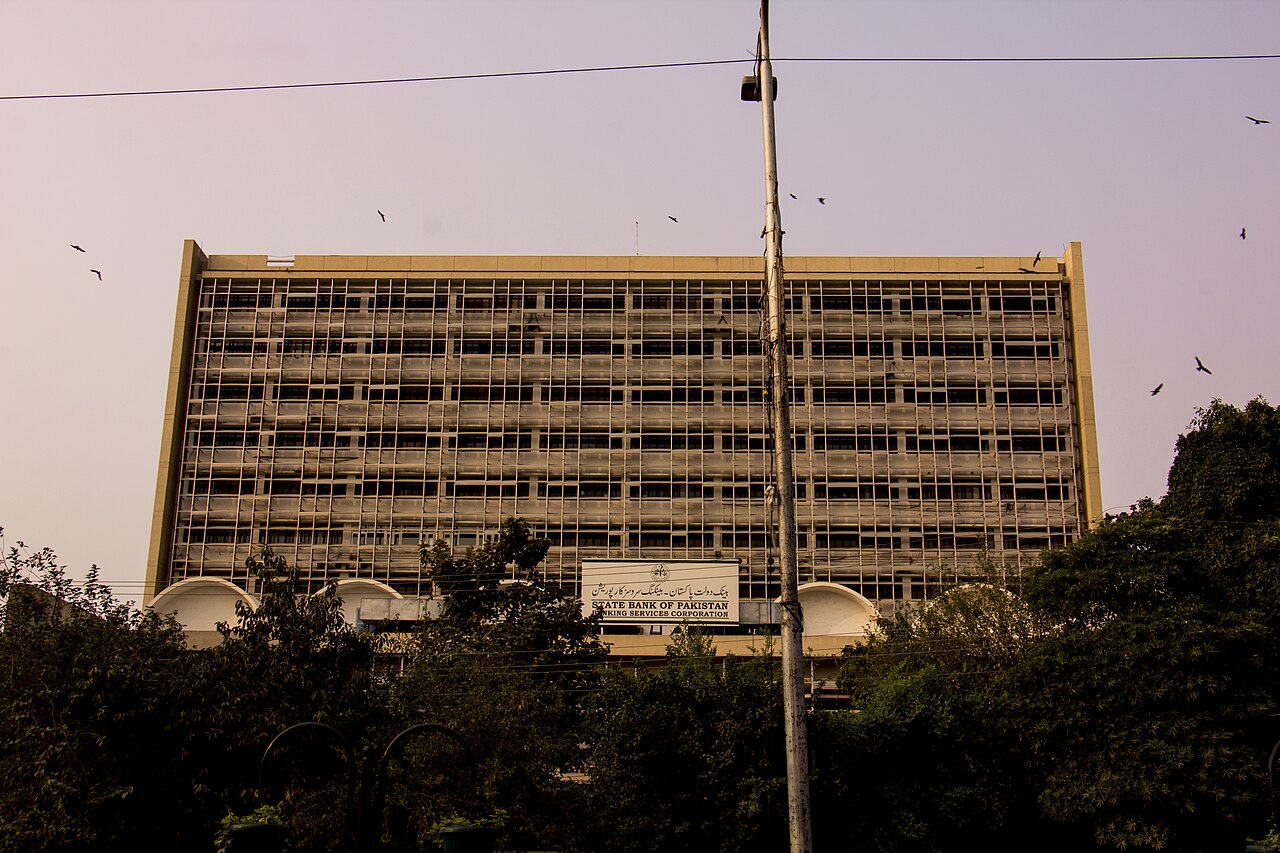
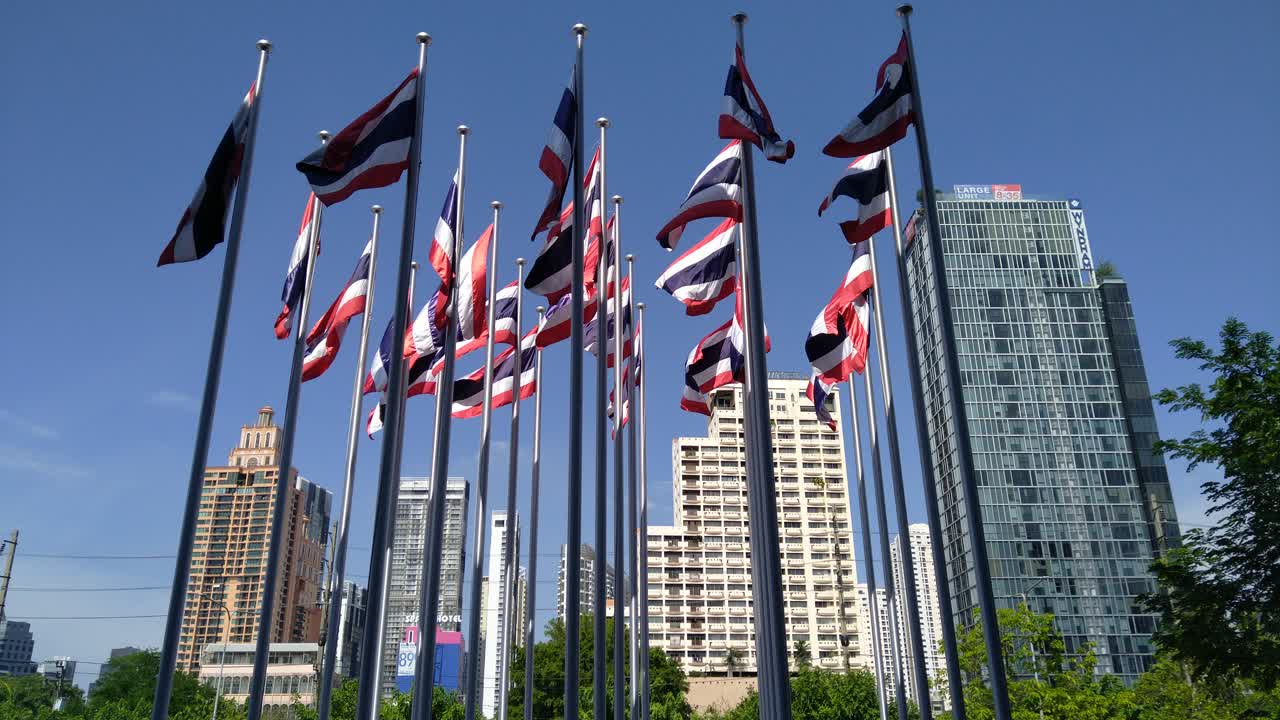
The October meeting shows how the transition works in practice. Ministers of the G-24 held their 116th meeting in Thailand on 13 October with Nigeria’s Taiwo Oyedele in the chair, Aurangzeb as first vice-chair and Ecuador’s Bernardo Acosta as second vice-chair, the group’s communiqué records, while deputies met on 12 October under Nigeria’s permanent secretary. Pakistan held the first vice-chair seat at both the April spring meeting — where the State Bank’s executive director Akhtar Javed filled it — and the October meeting, so the handover was settled before the ministry’s announcement.
The agenda the chair inherits
What makes the year consequential is that the bloc had already agreed its substantive demands in Bangkok, and those demands are close to the ones Pakistan makes as a borrower. The October communiqué called for a strong global financial safety net centred on a well-resourced, quota-based IMF, and for the timely implementation of the 16th General Review of Quotas. It urged outcomes under the 17th review, including quota realignment, and stressed the need for consensus on the quota formula, opposing the inclusion of voluntary financial contributions in it.
The communiqué also asked for an early review of the IMF’s charges and surcharges policy and of the Resilience and Sustainability Trust, backed predictable and orderly sovereign debt treatment and the G20 Common Framework’s memorandum of understanding, welcomed the new Borrower’s Platform with secretariat services from UNCTAD, and supported international tax reform to curb profit shifting. On climate it demanded the full and timely delivery of the $300 billion a year by 2035 agreed at COP29 and a significant scale-up of adaptation finance. These positions were fixed under Nigeria’s chairmanship, and the new chair’s influence lies in carrying them forward and in how it negotiates the text that follows.
The October communiqué also gave the group positions on the Fund’s lending to highly indebted countries: it welcomed the revised Life-Indebtedness-to-Development Framework’s added debt-carrying capacity and distress measures and its new domestic debt module, backed the Global Sovereign Debt Roundtable’s restructuring playbook, and called for closer cooperation between the IMF and regional financing arrangements. It noted that the 45 per cent World Bank lending target had been eliminated and that pledges to multilateral climate funds had been withdrawn. The new chair inherits that record rather than setting it.
How it sits with Pakistan’s own programme
Two developments give the chairmanship weight beyond symbolism. Pakistan will also chair the boards of governors of the IMF and the World Bank in 2027, the first time since 1953, which KhabarWire reported when Economic Affairs Minister Ahad Khan Cheema was named to the role. Holding the bloc’s chairmanship and the two institutional boards in the same cycle concentrates procedural influence in Islamabad at both the negotiating-group and board level.
The second is the state of the country’s own programme. The IMF agreed the fourth review of the Extended Fund Facility and the third review of the Resilience and Sustainability Facility at staff level on 7 October, releasing about $1.21 billion once the Executive Board signs off, and the Fund wants state-owned enterprise law changes before it does. Pakistan’s new agenda abroad — development finance that is affordable and timely, debt solutions, larger safety nets — now overlaps with what the bloc will press the IMF and the World Bank for at home, and with the reform programme the country’s own reviews depend on. The Group of Twenty-Four and IMF developments are tracked in KhabarWire’s IMF and Pakistan hub.
What is still uncertain
Three things are open. The first is the group’s own record of the changeover. On 1 November the G-24’s Bureau listing still named Oyedele as chair and Aurangzeb as first vice-chair, so the secretariat’s published roster had not caught up with the ministry’s announcement. Pakistan’s own Bureau lineup, including who will be its first and second vice-chairs, has not been published.
The second is the text. The G-24 publishes a communiqué twice a year after each ministerial meeting, and the document that will carry Pakistan’s name at the top has not been drafted, because the spring meetings, held each April, are the next opportunity. Nothing converts the three priorities into negotiated positions with the Fund or the Bank until then.
The third is the substance. None of the priorities carries a figure, a position on quota or voting shares, or a date, and development finance, debt and climate resilience are the agreed language of a bloc that has pressed the same demands for years. A chair country sets the agenda rather than the outcome. The measurable tests arrive at the spring meetings and at the 17th quota review, and the immediate one is whether the secretariat’s roster and the next communiqué confirm the change in the way the finance ministry’s statement already does. The G-24 chairmanship file follows the year ahead.