Reporting snapshot · 28 November 2026 (Asia/Karachi). No court has yet appointed the trustee who will run the insolvent airline, PIA has not said whether its wet-lease contract with Norse survives, and neither carrier has published a December timetable, so the disruption to PIA's winter schedule cannot yet be measured.
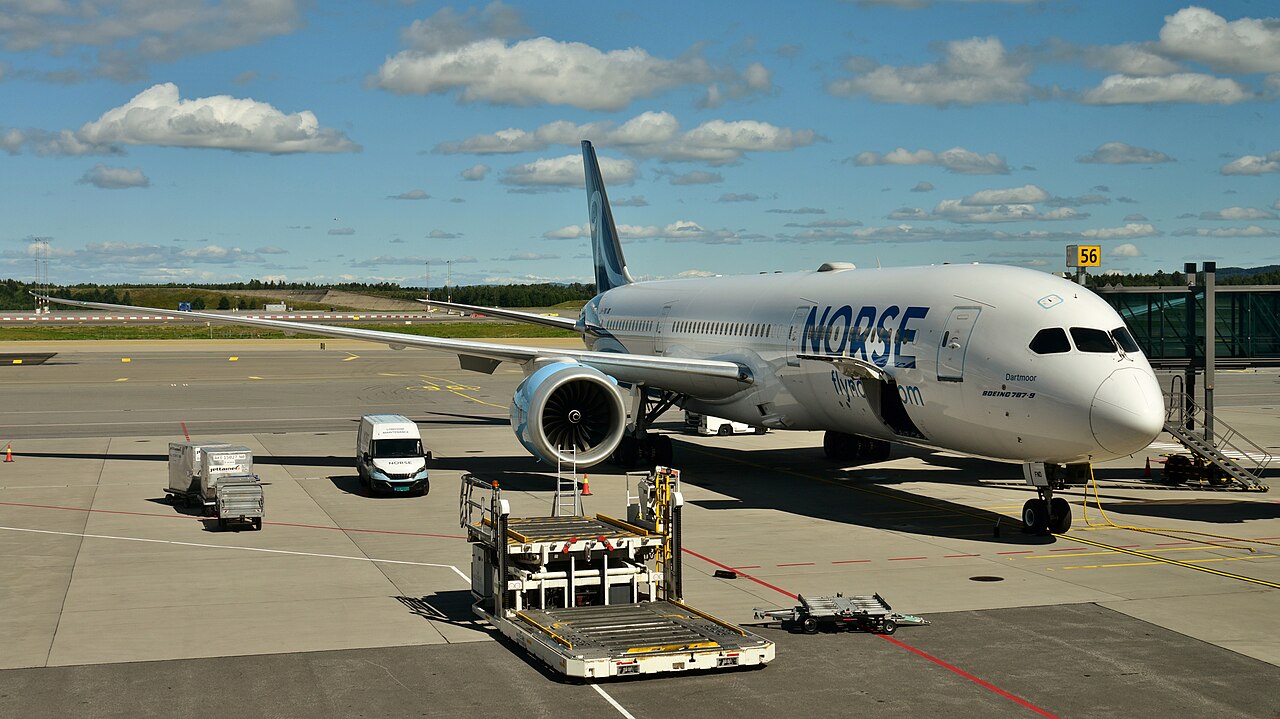
The suspension has become an insolvency. On Friday, 27 November, the board of Norse Atlantic Airways AS, the Norwegian operating company of the Oslo-listed long-haul budget carrier, resolved to file a bankruptcy petition with the Agder District Court, which will appoint a trustee to run the process, the company said in a stock exchange announcement. The board concluded there was “no longer a basis for continued operations” for the subsidiary; all Norse flights are cancelled and ticket sales discontinued, while the listed parent Norse Atlantic ASA and the group’s UK airline are not part of the filing. Chief executive Eivind Roald called it a “difficult decision” made after “extensive efforts to find a solution”. Norse Atlantic’s own announcement sets out the filing, and Reuters reported it the same day, describing a carrier that has “succumbed to soaring fuel costs wrought by the war on Iran”.
For Pakistan International Airlines (PIA), which wet-leased two of those aircraft, the filing settles a question left open by the abrupt grounding of Norse’s jets on the night of 25 November, which KhabarWire reported at the time: the Boeing 787-9 Dreamliners it took into its British schedule in November are not coming back, and the lease that supplied them is now inside a court process rather than a negotiation.
What the filing covers, and what it leaves open
The mechanics are narrow. Norse Atlantic Airways AS is the operating airline; its parent Norse Atlantic ASA remains listed on Euronext Expand Oslo and is “working to find a solution for the remaining part of the business to continue operations”, the company said. Britain’s Civil Aviation Authority confirmed the other half: Norse Atlantic UK, which flew from Gatwick to Bangkok, Cape Town, Orlando and Phuket, “has cancelled all flights”, and passengers were told not to travel to the airport. The regulator’s statement advised anyone who had booked through another airline to approach that airline, the position PIA’s passengers are in.
One claim around the fleet remains contested. Norse said on Friday that the lessors of all 12 Boeing 787s had terminated the leasing contracts and demanded the aircraft back; the company said it contests the validity of those notices. Reuters reported through Profit by Pakistan Today that the airline had returned all its aircraft to bases in Norway, Sweden and Britain, and that the transport workers’ federation said Norse had told employees it could not pay their salaries. The Guardian reported that passengers had been told to contact travel agents, insurers or credit card companies instead.
A fuel shock the carrier never hedged
The cause of the collapse is the price of kerosene. European jet fuel prices more than doubled in March after supply disruptions linked to the war in Iran, and Norse Atlantic had not hedged its fuel — a cost shock that turned existential for an airline burning roughly 20 per cent of its operating costs on fuel. Reuters, through Profit, reported that the carrier cut capacity as costs rose and had launched in 2022 to revive low-cost transatlantic flying after Norwegian Air withdrew. Its shares fell 85 per cent when it called its finances critical on Wednesday, and had lost 99 per cent of their value this year.
Norse Atlantic is not alone: Latvian carrier airBaltic entered Chapter 11 proceedings in September, and Reuters described the aviation industry as suffering its worst crisis since Covid-19. For a Pakistani reader the squeeze is narrower: a carrier Pakistan had contracted to fly its long-haul routes with no longer exists, and the fuel market that broke it also shapes PIA’s fuel bill.
What the collapse does to PIA’s schedule
PIA signed the aircraft, crew, maintenance and insurance lease with Norse on 9 October for two 787-9s, its first widebodies, the first arriving in Islamabad on 1 November. KhabarWire reported the lease at the time, and on 26 November, after Norse grounded its aircraft without notice as passengers queued to board, reported the two cancellations: PK786 from London Heathrow to Islamabad and PK710 from Manchester to Lahore. Those flights were the visible part of the disruption; the structural part is that PIA’s widebody growth plan of the autumn rested on machines a court administrator now controls.
The response has been to run Britain on aircraft it owns. PIA moved its United Kingdom operations onto its own Boeing 777 fleet on Thursday and resumed flights as scheduled, with affected passengers moved onto later services and refunds offered without deductions, The Express Tribune reported, and PIA said its United Kingdom services were on schedule. That plan survives the bankruptcy intact, because it never depended on Norse. What changes is the ceiling: the two 787-9s that were to add seats to the Britain routes are gone, and no replacement has been announced.
Three Saudi aircraft on a 15-day permit
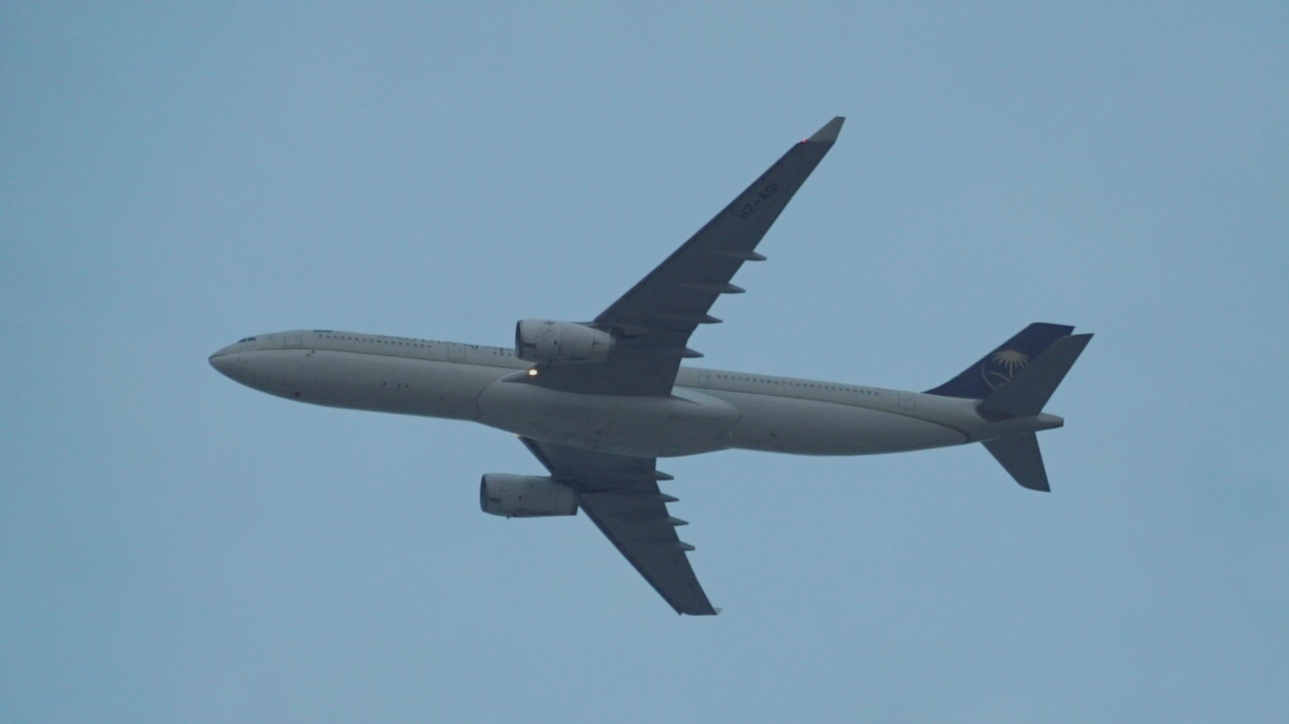
To hold capacity while its own widebodies were freed for Britain and Europe, PIA went to Saudi Arabia’s national carrier. The Civil Aviation Authority granted temporary permission, valid for just over two weeks from 23 November, for PIA to fly its passengers to and from the Kingdom on Saudia aircraft, the regulator’s approval letter showed. PIA spokesperson Abdullah Hafeez Khan said the airline had chartered three Saudia aircraft for 15 days and that the arrangement might be extended after a week. Arab News reported that the three Airbus A330s began flying to Jeddah and Madinah on the night of Wednesday, with PIA keeping its own aircraft on Riyadh and Dammam, and that passengers holding PIA tickets would board the Saudi aircraft on their existing bookings.
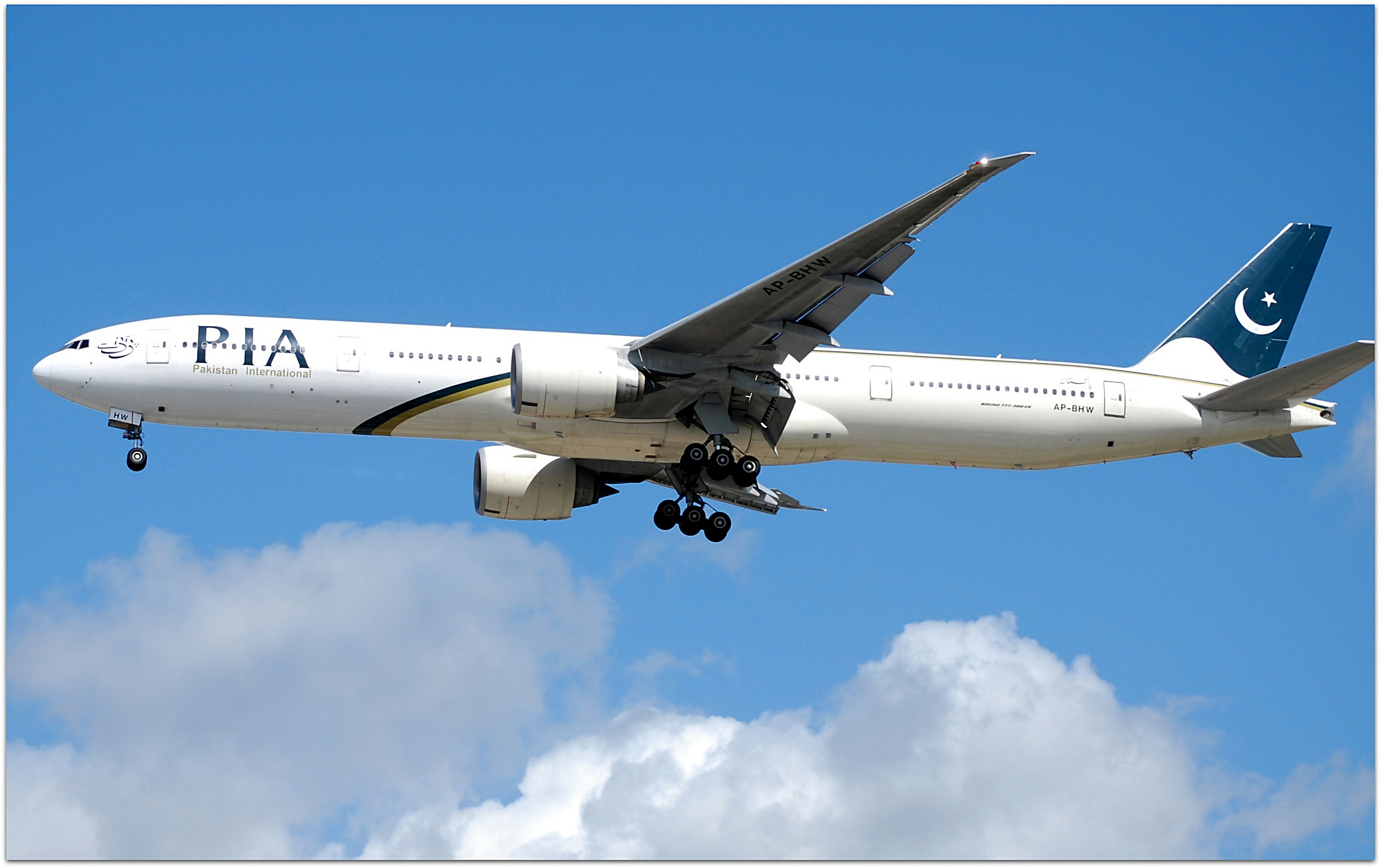
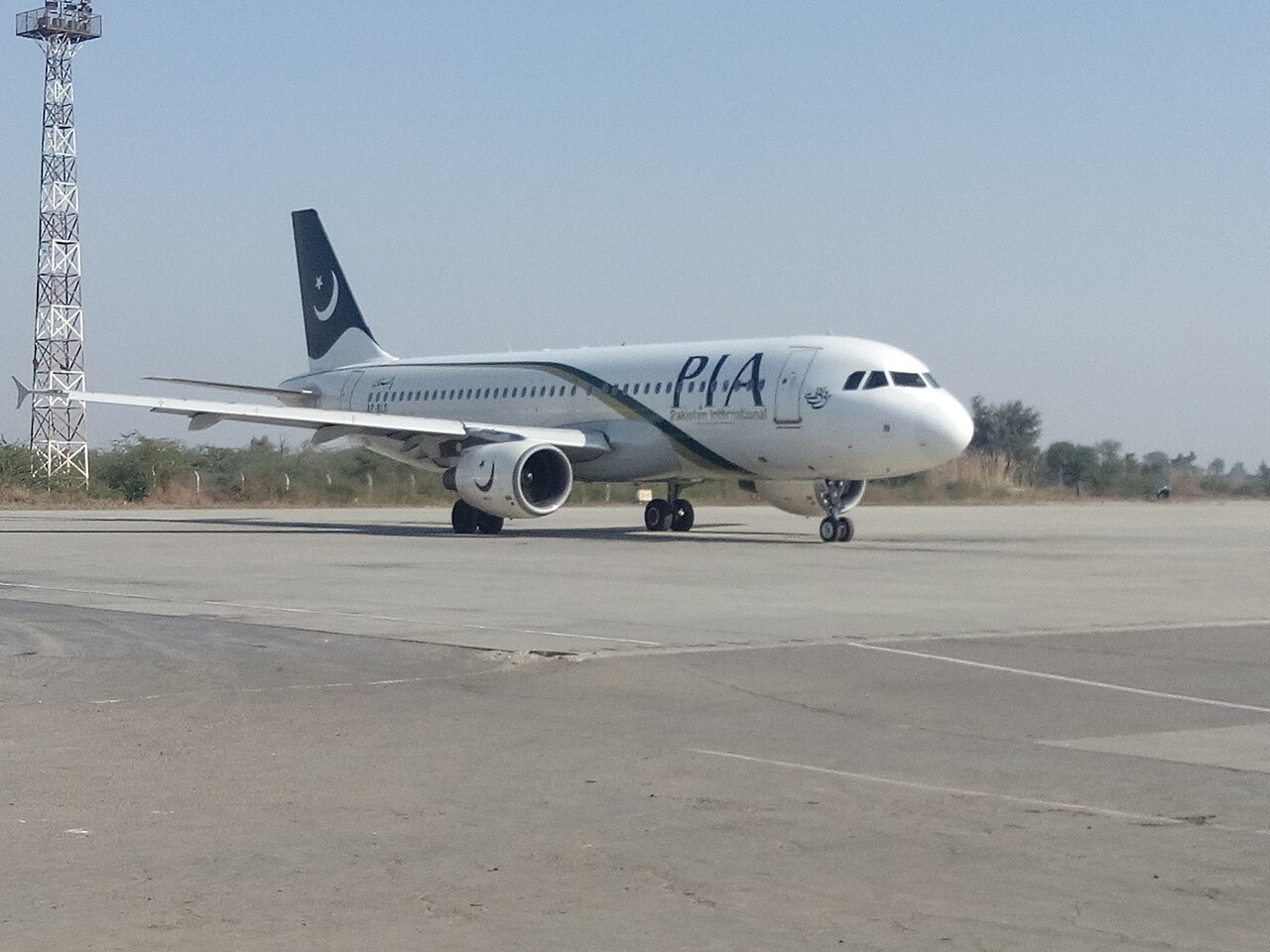
The gap it fills is a fleet of 31: 12 Boeing 777s, 16 Airbus A320s and three ATRs, according to PIA’s spokesperson. Twelve widebodies now cover Britain, Europe, the Gulf and the domestic trunk at once, which is why a fifteen-day permission is a stopgap, and why December — the first month of the winter travel peak — is the next test.
The fleet arithmetic behind the contingency
The constraint comes from the arithmetic of privatisation. The government handed management control to an Arif Habib-led consortium in June 2026, after a December 2025 auction in which the consortium won a 75 per cent stake for Rs135 billion. KhabarWire reported the first closing, which brought Rs10 billion of sale proceeds to the government and Rs80 billion of fresh equity into the airline, with a second closing and the purchase of the government’s remaining 25 per cent to follow. That money was meant for fleet expansion and modernisation, and the government has said it will neither buy aircraft for the privatised carrier nor guarantee the loans that pay for them, Dawn reported at the time.
Against that, PIA’s plan to acquire up to 50 aircraft, of which up to 20 would be widebodies, is not expected to be announced until the first quarter of 2027. The Dreamliners lost in November were meant to bridge that gap. Without them, long-haul growth rests on three aircraft borrowed from another airline for a fortnight and on a fleet whose youngest members are still the 777s and A320s it already had.
What is still open
Four things remain unresolved. The Agder District Court has yet to appoint the trustee who will administer the estate, and PIA’s claim against Norse — for the aircraft it had flown since 1 November — will be settled inside that process, not in a commercial negotiation. PIA said it was pursuing the matter with Norse Atlantic at the highest contractual and executive levels, Dawn reported, and the airline’s spokesperson said it was weighing whether to acquire the aircraft itself or find another temporary arrangement, Arab News reported.
The second is capacity: PIA has not published a revised United Kingdom timetable, and the winter peak begins in December. The third is the Saudia charter, whose permission lapses in the first week of December unless the Civil Aviation Authority renews it. The fourth is the fleet order itself, where the announcement promised for the first quarter of 2027 matters more now, because the airline will enter that quarter with twelve widebodies of its own, not twelve plus two leased Dreamliners. KhabarWire follows the carrier’s revival in its PIA turnaround and fleet hub.