Reporting snapshot · 6 November 2026. The National Cyber Crime Investigation Agency says it arrested 273 people at a call centre in Karachi's PECHS area on the night of 3 November. A magistrate has since remanded nine suspects for two days, ordered women and detainees under 18 released on bail and sent the rest to jail on judicial remand. The agency's account of the alleged fraud is preliminary and untested in court, the number of minors held is disputed, and the company's owner and managers have not been publicly identified. This is a dated snapshot of a fast-moving case.

What happened
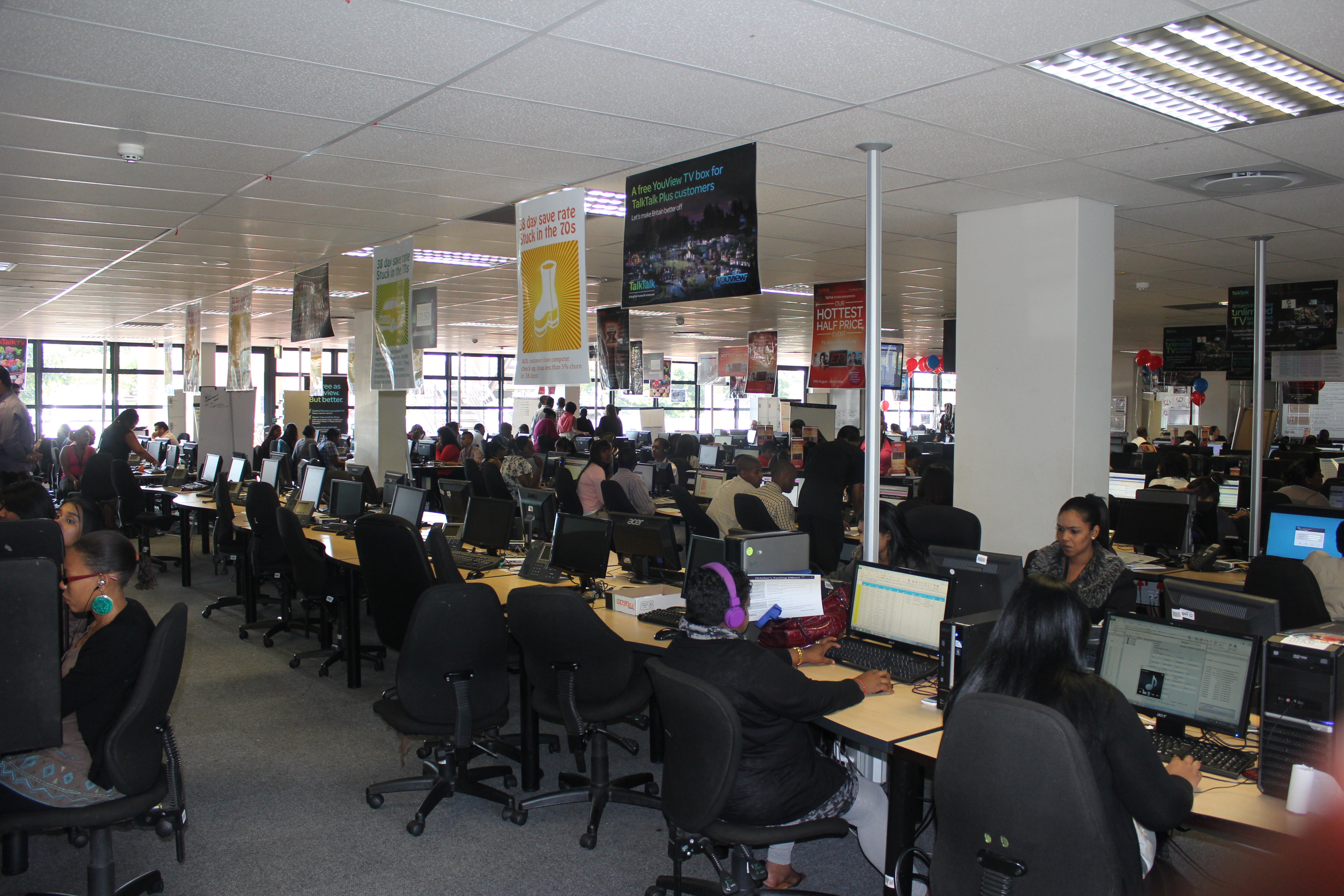
The National Cyber Crime Investigation Agency (NCCIA) raided a call centre operated by a company called Voxtron in Karachi’s PECHS neighbourhood, beside Shahrah-e-Faisal, at about 8pm on 3 November, The Express Tribune reported, citing eyewitnesses and relatives of those inside. At a press conference on 5 November, NCCIA Additional Director Shahzad Akbar said the agency had arrested 273 people, including more than 100 women and 42 under-18s, and seized 3,390 laptops, 152 mobile phones and four CPUs.
Akbar said forensic examination of the seized equipment indicated that people based abroad were involved in the company’s alleged scamming operations and that merchants were part of the network. He said investigators found multiple user IDs registered under different names logged into individual laptops, and that the call centre had allegedly obtained citizens’ personal data for use in fraudulent schemes. Pakistan Today reported the same arrest and seizure figures from the briefing.
A second Express Tribune report on 6 November said the NCCIA had confirmed the arrests were made under FIR No 122/2026 and that the call centre’s premises had been declared a sub-jail by the Sindh Home Department, allowing detainees to be held there rather than at a prison.
What the court decided
The nine people the agency calls its principal suspects were produced before Judicial Magistrate East Gulraiz Memon through a video link, The Express Tribune reported. The investigating officer told the court that all 273 detainees were being held at the call centre and asked for physical custody of the nine for questioning, saying the suspects were alleged to have defrauded foreign nationals.
Defence counsel disputed the agency’s account of who was in custody. The lawyer told the court that the detainees included more than 70 juveniles and over 80 women, that the offences were bailable and that the women and children should be released. The magistrate granted a two-day physical remand of the nine principal suspects, ordered the release of female suspects and those below 18 on surety bonds of Rs5,000 each, and directed that the remaining suspects be sent to jail on judicial remand.
The gap between the two accounts matters. The agency’s figure of 42 under-18s and more than 100 women does not match the defence’s count of more than 70 juveniles and over 80 women, and neither side has published a breakdown. The magistrate’s order covers both categories without resolving the numbers.
The families outside
Relatives gathered outside the call centre after the raid, and a protest by families near the Baloch Colony Bridge brought traffic on Shahrah-e-Faisal to a standstill, The Express Tribune reported on 6 November. The route from the Metropole and Tipu Sultan cuts towards the airport was also blocked.
The same report described relatives’ complaints: that they had been unable to contact those detained since 3 November, that they had not been given copies of the FIR, and that one employee who reported for work on Tuesday was not allowed to leave the next day. A relative of a 17-year-old detainee said the company had been operating for about 15 years and had been raided twice before without legal action being taken against its owner; another said children as young as 12 had been working there. Those accounts come from family members, not from the agency or the courts.
Why it matters
The operation is one of the largest of its kind in Pakistan this year by number of people detained. Akbar said about 350 call centres in Karachi are suspected of involvement in fraudulent activity and that the raided company was among the three largest such operations in the city. If that estimate holds, the raid is a measure of the enforcement problem rather than its solution.
The agency also changed its approach. Akbar said this was the first time employees, rather than only the company owner, had been nominated in a case, and that in earlier cases relatives would register new companies and resume operations with the same staff. That shift moves legal risk from a single proprietor to the workforce, a change whose consequences will be worked out in the courts.
The detention of minors raises separate questions about labour enforcement. The presence of under-18s in a workplace raided for fraud points to gaps that predate this case, and the court’s decision to release them on bail does not answer them.
The raid also follows a pattern. In September the NCCIA detained 212 people in raids on three alleged illegal call centres in Islamabad, and it has pursued other cybercrime cases this year. Those earlier raids were also presented as part of a campaign against call-centre fraud.
What is still uncertain
The central unknown is what happens to the 273 people. An FIR has been registered, but the agency has not published the charges, the evidence against individual employees or the identities of the owner and managers. Whether the owner was among those detained is not clear from the public statements.
The alleged overseas involvement, the role of merchants and the scale of any losses remain preliminary. The agency has not named the victims or said how much money was taken, and none of the allegations has been tested in court. The claim that the company had been raided twice before without action is also unanswered: the NCCIA has not commented on it.
The case will turn on the forensic examination of the 3,390 laptops and on whether prosecutors can show that individual employees knew they were part of a fraud. Until then, the arrests are a large enforcement action, not a proven case.