Reporting snapshot · 22 October 2026. The government and Jamaat-e-Islami have arranged negotiating-committee meetings in Islamabad for Friday, 23 October, and both sides expect Prime Minister Shehbaz Sharif to meet JI Emir Hafiz Naeemur Rehman, but neither side has published an agenda, a venue or a written proposal list, and no agreement on the levy itself is in prospect before the meeting. Both sides have also said the nationwide protests will proceed regardless.
What happened
The federal government and Jamaat-e-Islami (JI) will hold a fresh round of negotiations on the petroleum levy in Islamabad on Friday, 23 October, according to JI Vice Emir Liaquat Baloch, who said the meeting was arranged following a telephone conversation between him and Planning Minister Ahsan Iqbal, The Express Tribune reported.
Both sides confirmed the arrangement independently. Geo News reported on 22 October that Iqbal had contacted Baloch as the two sides’ negotiating committees prepared to meet in Islamabad on Friday, and that a meeting between Prime Minister Shehbaz Sharif and JI Emir Hafiz Naeemur Rehman was also scheduled.
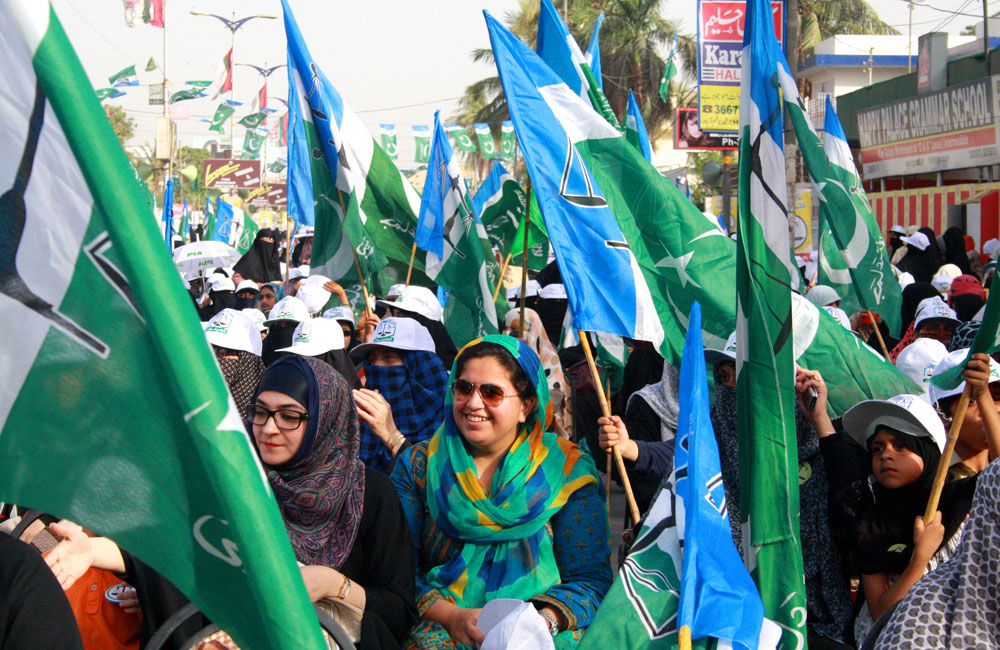
The talks coincide with the third phase of JI’s protest campaign against the levy. JI said in a statement on Wednesday, 21 October, that it would begin that phase on 23 October with sit-ins in districts across the country, and that the abolition of the petroleum levy would be the central agenda of any meeting between Shehbaz and Hafiz Naeem, Pakistan Today reported.
A day earlier, on 21 October, JI had said the government had contacted the party to arrange a meeting between Shehbaz and Hafiz Naeem but had made no further contact since arrangements had been settled, according to Geo News. Iqbal’s call to Baloch on 22 October is what turned that stalled arrangement into a fixed date.
Why the meeting and the protests are running together
Baloch was explicit that the two tracks are not alternatives. Negotiations and protests will continue side by side, he said, adding that the people must receive relief and economic activity must continue, The Express Tribune reported. JI has said it will continue its campaign until the government agrees to withdraw the levy.
That framing matters because it removes the trade the party had been making in September. On 22 September, when Shehbaz telephoned Hafiz Naeem from abroad and asked the party to hold off its march to Islamabad, the emir said JI would meet the prime minister but would not abandon its demands, and the march was suspended in Multan pending further negotiations, The Express Tribune reported. A month on, the deferral has not produced an agreement, and JI is now holding talks and sit-ins on the same day.
The government’s side of the bargain has also been consistent. Successive rounds have failed to produce agreement, with the government citing economic constraints and pressure under the International Monetary Fund programme, while JI has insisted the levy be abolished outright, The Express Tribune reported.
Where the dispute stands
JI launched sit-ins in Karachi, Lahore, Peshawar and Quetta on 16 August against the levy, rising fuel prices and inflation, and held a nationwide shutdown strike on 3 September. After that strike the two sides agreed to form technical committees to examine proposals for reducing the levy and fuel prices, and JI submitted six proposals during the first round of negotiations on 7 September, in the round KhabarWire covered at the time.
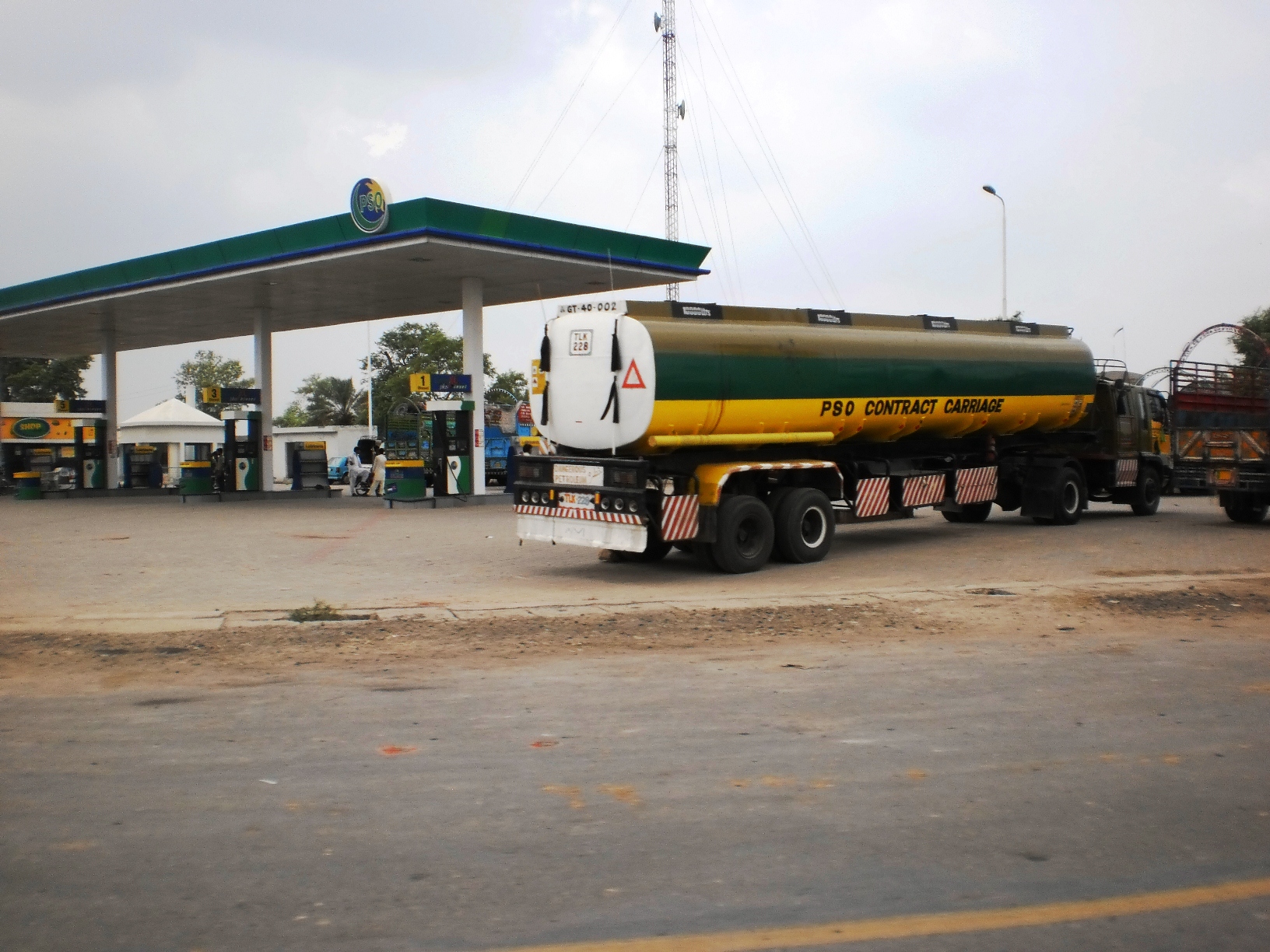
The levy itself is a federal charge on petroleum products, separate from the underlying fuel price, and it feeds into what consumers pay at the pump. JI argues it adds to the burden on households already facing inflation and higher transport costs. The government says it is working to relieve consumers while managing constraints under the IMF programme, and has rejected abolition while pointing to the fiscal commitments in its IMF programme, The Express Tribune reported.
The scale of the campaign so far is what makes the Friday meeting consequential. JI has held sit-ins at 510 locations and observed a shutdown strike, and it has demanded written assurances from the government before altering or ending the movement, Geo News reported.
What is still uncertain
No agenda, venue or document list has been published for Friday’s meetings, so what is actually on the table is unclear. Neither side has said whether the prime-minister meeting is confirmed, only that it is expected or scheduled; Geo News and The Express Tribune both reported it as planned rather than confirmed by the prime minister’s office.
It is also unsettled whether JI’s district sit-ins will be affected by the talks. The party announced them on 21 October and Baloch said on 22 October that protests would begin again on Friday, which implies they go ahead, but the party has not tied the two events together procedurally.
The larger question — whether the government will move on abolition — is unresolved. Nothing published so far indicates the government has shifted its position, and its stated reason for refusing abolition has remained the IMF programme’s fiscal constraints. A meeting scheduled for Friday is an opening, not a decision, and the gap between JI’s demand for complete withdrawal and the government’s offer of relief within fiscal limits is the same gap that has closed no previous round.