Reporting snapshot · 3 October 2026. The International Monetary Fund (IMF) review mission in Islamabad has shared the first draft of the Memorandum of Financial and Economic Policies (MEFP) with Pakistani authorities, the policy document that will frame a staff-level agreement (SLA) for the fourth review under the $7 billion Extended Fund Facility (EFF) and the third review under the $1.4 billion Resilience and Sustainability Facility (RSF). The figures and conditions below rest on the 3 October 2026 reporting of The News, as carried by Geo News and Profit by Pakistan Today; the IMF and the Ministry of Finance have not yet published the MEFP, and the two sides are still negotiating. Numbers may change before the review concludes.

What happened
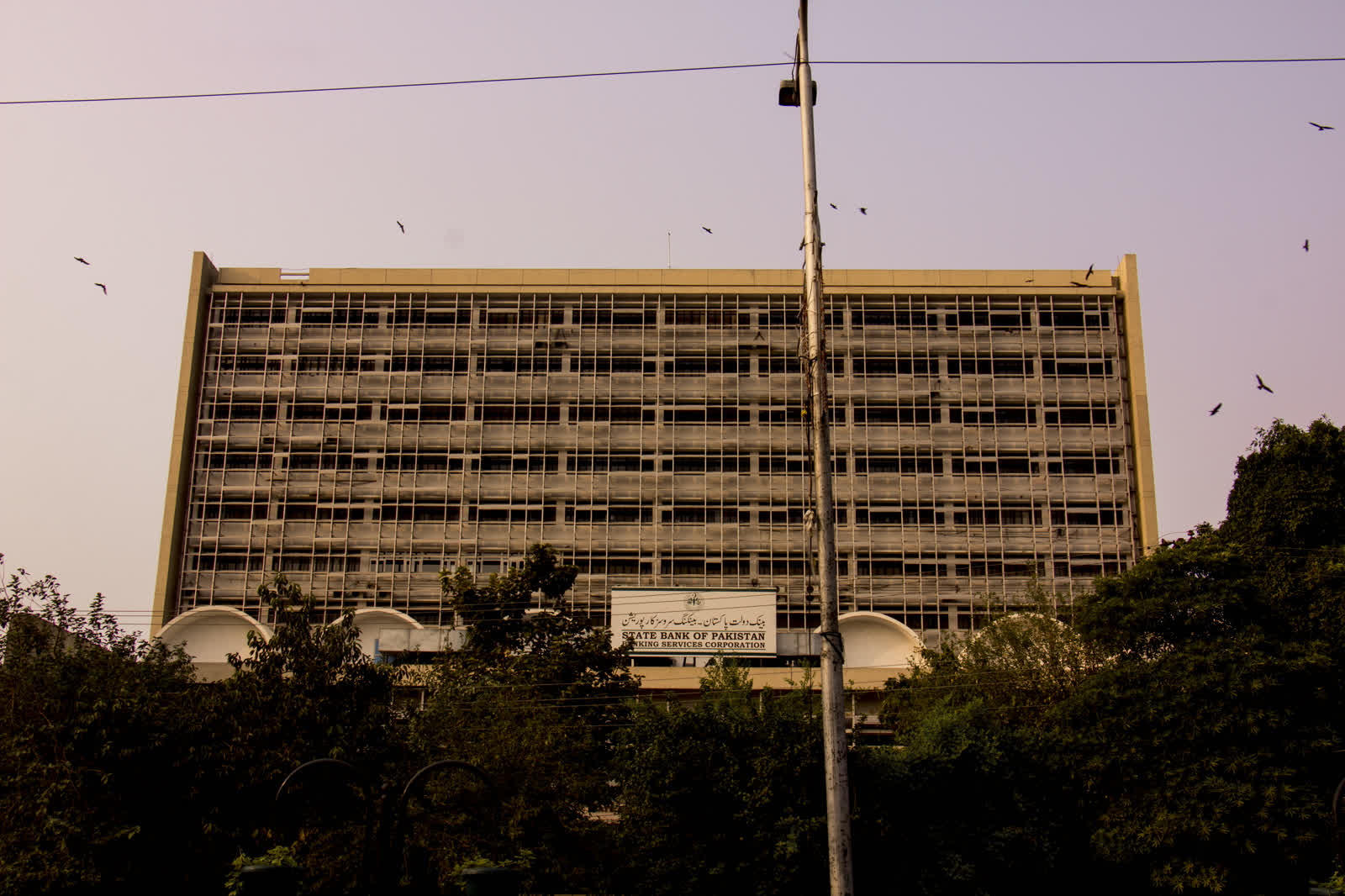
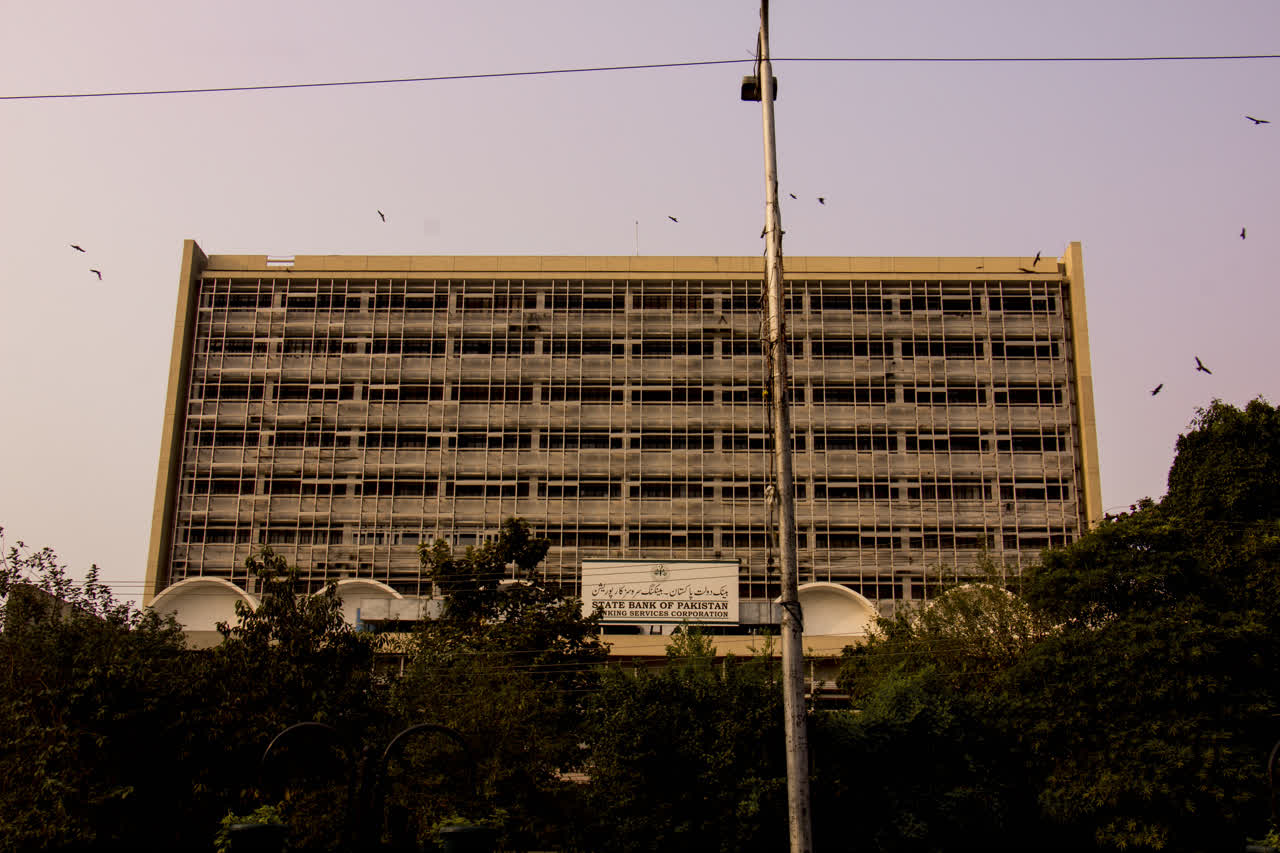
The IMF review mission in Islamabad shared its first MEFP draft with Pakistani authorities on 3 October 2026, moving the talks into a substantive negotiation phase on the policy actions required to reach a staff-level agreement, Geo News reported on 3 October. The mission, which arrived in Karachi on 23 September for technical discussions at the State Bank of Pakistan, is expected to stay in Islamabad until around the middle of next week. If consensus is reached on the MEFP, the staff-level agreement can be struck; if not, the talks will continue virtually after the mission leaves, Profit by Pakistan Today noted the same day, citing The News as the original report.
The review is being conducted under the $7 billion EFF approved in September 2024, alongside the third review of the $1.4 billion RSF and an Article IV consultation. A successful conclusion would make Pakistan eligible for a combined disbursement of about $1.2 billion — roughly $1 billion under the EFF and $200 million under the RSF — once the IMF Executive Board approves the outcome. Pakistan has already received about $4.8 billion under the two arrangements across the first three reviews.
The circular-debt breach and the power subsidy fight
The headline finding in the MEFP draft is a breach of the agreed circular-debt target for the power sector. The IMF has flagged that the stock of power-sector circular debt stood at Rs1,675 billion at the end of June 2026, above the level the programme had targeted, and has asked the government to act to stop the build-up. The FY27 budget, in parallel, has set aside Rs830 billion in power-sector subsidies. The two figures together frame a fiscal problem the MEFP tries to reset: tariffs have not kept pace with costs, and the difference is being absorbed in the circular debt.
The most concrete policy demand in the MEFP, as reported, is the end of the cross-subsidy for electricity consumers using up to 200 units a month. The IMF wants Pakistan to eliminate the cross-subsidy and replace it with a targeted subsidy routed through the Benazir Income Support Programme (BISP) from January 2027. The Fund accepts a subsidy for low-consumption households, but it wants to identify them through BISP’s poverty registry rather than a flat tariff discount. Roughly a third of all domestic electricity connections sit inside the protected 200-unit band, making the cross-subsidy one of the most heavily defended parts of the power tariff structure. The MEFP, according to the Geo News account, now hard-wires the BISP targeting that was first mooted in the May 2026 discussions.
The reporting also indicates that the Sovereign Wealth Fund (SWF) legislation will need parliamentary approval under the MEFP. Pakistan passed the SWF Act in 2024, but the IMF has previously asked the authorities to amend it to bring the governance and fiscal-safeguard framework up to international standards — a step the Fund’s mission had treated as a prior action. The MEFP treatment will determine whether the amendment is required before the staff-level agreement or can be back-loaded.
The FBR target and the primary balance
On the revenue side, the MEFP draft leaves the Federal Board of Revenue’s annual tax collection target at Rs15.264 trillion, in line with the FY27 budget. The FBR exceeded its first-quarter target by Rs27 billion, and has not asked for a revision of the annual figure. Both Geo News and Profit noted the FBR is treated as a bright spot in the MEFP, and that the first-quarter performance has eased concerns about the FY27 trajectory.
The IMF has separately taken note of the primary budget surplus Pakistan has continued to deliver, and the Geo News account states the Fund raised concerns over Rs853 billion in statistical discrepancies flagged during the previous review. The Annual Plan 2026-27, approved by the National Economic Council, projects a current-account deficit of about $3.6 billion for FY27, conditional on the Gulf ceasefire holding; if the conflict drags on, the plan warns of higher oil import costs, weaker Gulf remittances and a wider external account.
The current-account debate and the inflation gap
The MEFP draft’s other unresolved issue is the FY27 current-account deficit (CAD) projection. The IMF is pushing for a CAD of up to $4 billion, higher than the Ministry of Finance’s working figure of about $2.7 billion and the Annual Plan’s $3.6 billion. The dispute matters because the CAD assumption feeds into the foreign-financing requirement and the projected buildup of foreign-exchange reserves, both of which the Article IV consultation will also discuss.
On inflation, the MEFP draft records the government’s 8.2 percent CPI projection for FY27, while the IMF expects average inflation to stay higher at 8.5 to 9.5 percent, reflecting the lagged pass-through of the FY26 energy and food price adjustments and the 2 October petrol and high-speed diesel price revision, which left petrol at Rs390.66 a litre and diesel at Rs399.34. The State Bank of Pakistan has projected GDP growth in a 3.5 to 4.5 percent range for FY27; the government’s 4 percent target assumes agriculture growing 3.6 percent, industry 4.5 percent and services 4.2 percent.
What is still uncertain
The 3 October reporting is a same-day read-out of the first MEFP draft, and the key numbers — the Rs1,675 billion circular-debt stock, the Rs15.264 trillion FBR target, the $4 billion CAD push, the 200-unit-to-BISP subsidy swap, the SWF amendment, and the inflation range — are still subject to negotiation. The two-week review schedule points to a possible staff-level agreement by mid-October, then the IMF Executive Board, likely for an end-November or early-December decision.
The most sensitive remaining condition is the 200-unit cross-subsidy. The timing of any tariff change — January 2027, as the MEFP appears to propose — will determine the political cost of the deal. The 2 October deadlock between Pakistan and the IMF on the fuel subsidy and the gas-receivables write-off remains unresolved, with the IMF pressing Pakistan to commit to refrain from any new fuel subsidy. The mission is also conducting an Article IV consultation; Pakistan’s recent foreign-exchange reserves have held above $20 billion and the current-account deficit narrowed 36 percent in July–August FY27, but a $4 billion CAD projection would imply the reserves plateau.
Sources & reporting notes
This is a synthesis of published material, not eyewitness reporting. Sources were reviewed on 3 October 2026. The MEFP-specific figures — the Rs1,675bn power circular-debt breach, the 200-unit-to-BISP subsidy swap from January 2027, the $4bn current-account push, the Rs15.264tn FBR target and the SWF amendment — rest on The News's 3 October report, as carried by Geo News (Mehtab Haider byline) and Profit by Pakistan Today; no IMF or Ministry of Finance document has been published.
- Geo News — IMF shares first MEFP draft with Pakistan ahead of staff-level agreement talks3 October 2026 · Primary 3 October account of the first MEFP draft, including the Rs1,675bn circular-debt breach, the 200-unit-to-BISP subsidy swap, the $4bn current-account push, the unchanged Rs15.264tn FBR target, the SWF amendment, the Article IV consultation and the 8.2 percent government versus 8.5–9.5 percent IMF inflation range.
- Profit by Pakistan Today — IMF shares draft Memorandum of Financial and Economic Policies as Pakistan talks enter final stretch3 October 2026 · Independent confirmation that the MEFP draft was shared on 3 October, the mission is expected to remain in Islamabad until mid-next week, and the $1.2bn combined EFF and RSF disbursement is at stake on a successful review.
- Profit by Pakistan Today — Pakistan, IMF talks hit deadlock over fuel subsidy, Rs1.4 trillion gas receivables2 October 2026 · Independent context on the parallel 2 October fuel-subsidy and gas-receivables deadlock, the IMF's call to end cross-subsidies and the targeted-subsidy alternative, and the Rs3.6 trillion gas circular-debt stock, which all feed the MEFP negotiations.