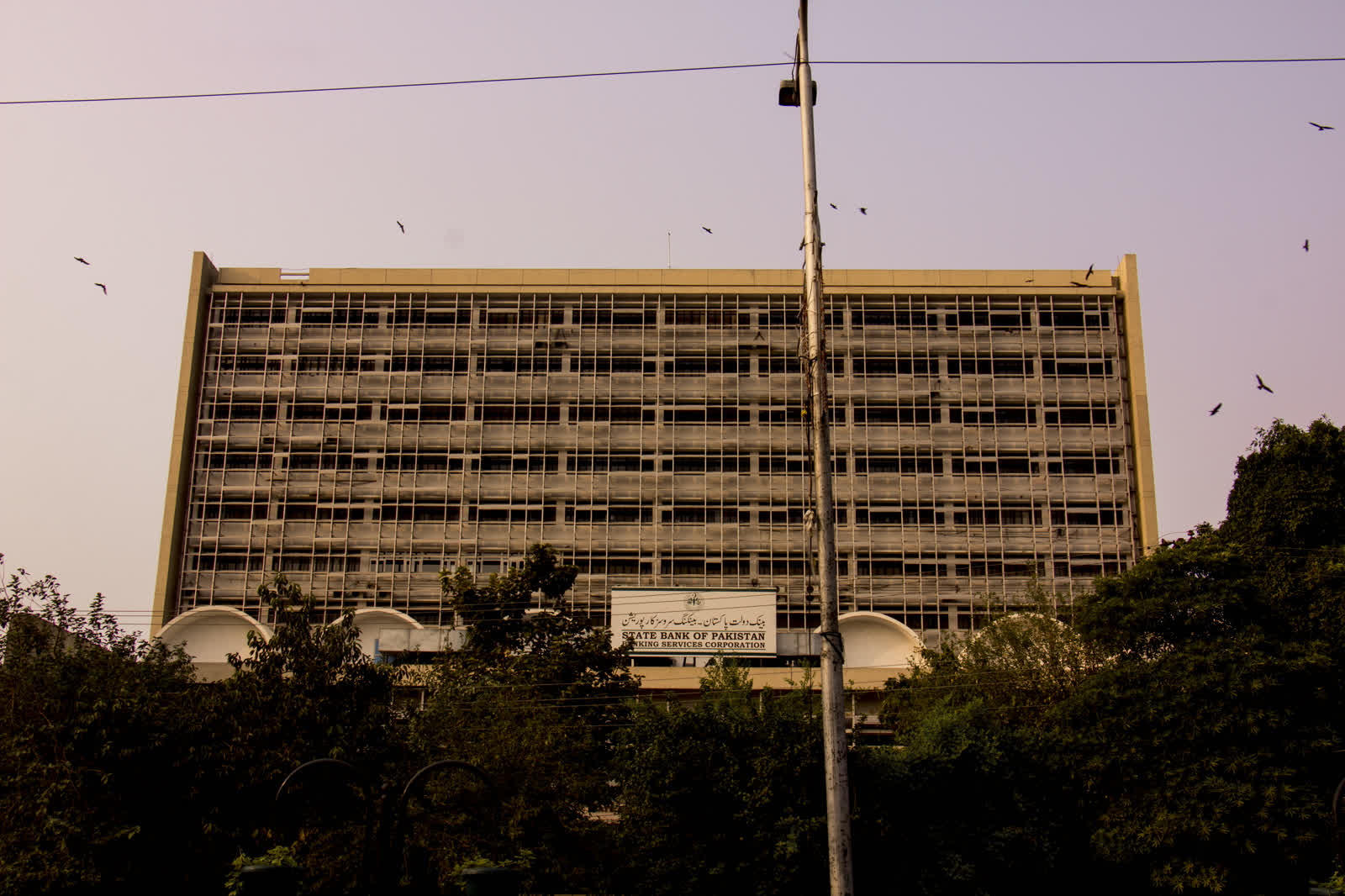
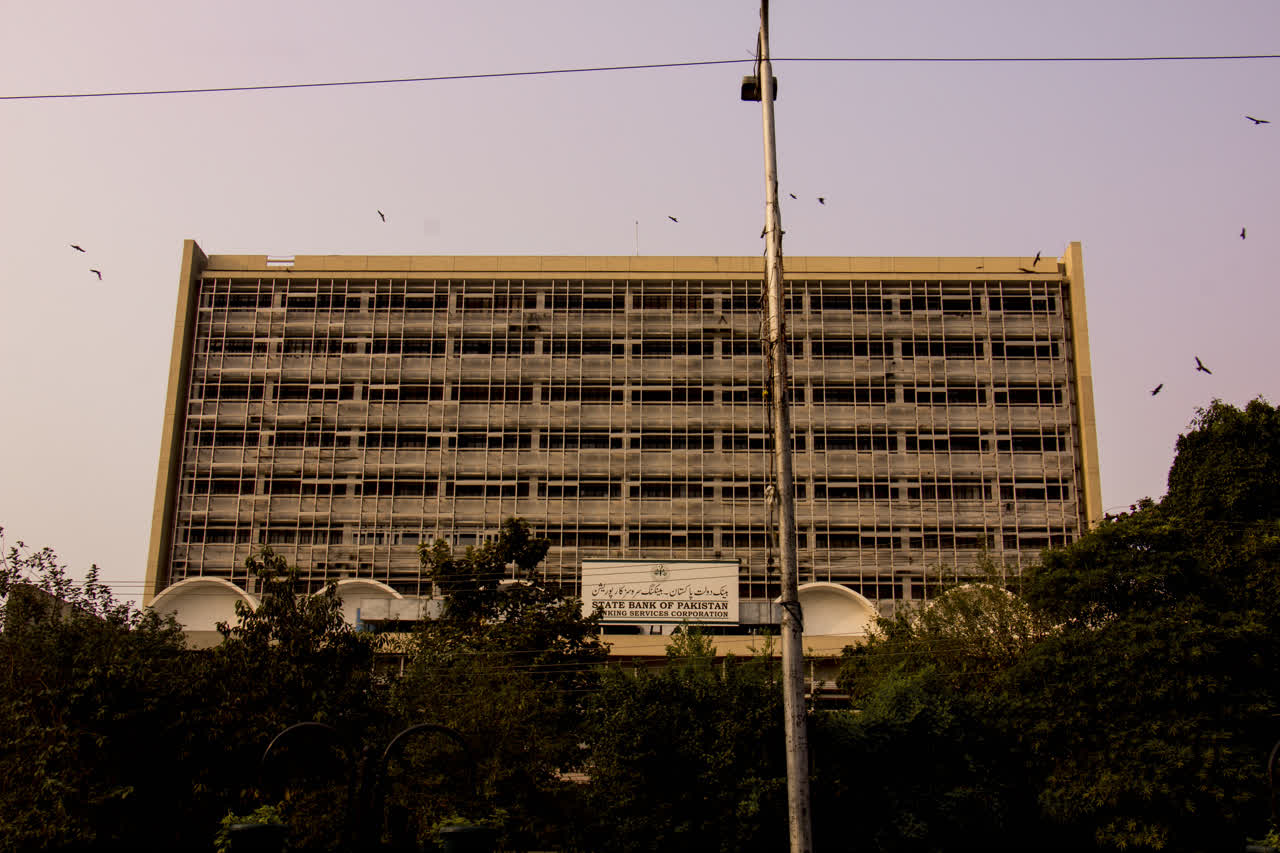
Reporting snapshot · 29 September 2026. Finance Minister Senator Muhammad Aurangzeb held the substantive opening meeting with the International Monetary Fund (IMF) staff mission led by Iva Petrova in Islamabad on Tuesday, 29 September, kicking off the formal phase of the fourth review of Pakistan's $7 billion Extended Fund Facility (EFF) and the third review of the $1.4 billion Resilience and Sustainability Facility (RSF). This account draws on Geo News and The Express Tribune for the 29 September read-out and on the State Bank of Pakistan's public rate schedule for the policy context.

What happened
Pakistan and the IMF moved from the technical round to the substantive policy-level phase on Tuesday. Aurangzeb hosted the mission, led by Petrova, for the formal opening of the Islamabad leg of the review, with Finance Secretary Imdadullah Bosal and senior officials of the finance ministry and Federal Board of Revenue (FBR) in the room, Geo News reported. The two sides held “preliminary discussions on key issues related to the ongoing reviews,” the Ministry of Finance said in a statement quoted by Geo.
The day was structured around three working sessions. In the morning the mission was briefed on the digitisation of the Asset Declaration Scheme for federal civil servants by the Establishment Division and the FBR. After midday, separate FBR and revenue-collection sessions covered the July–September quarter. By evening, the market regulator and finance ministry had added the latest macroeconomic numbers.
The day’s most concrete policy announcement was the rollout plan for digital asset declarations. Under Section 15-A of the Civil Servants Act 1973, 10,000 federal civil servants will be required to declare their assets through the new system by 30 October, with the digitised declarations scheduled to be published in December 2026 or January 2027, Geo reported, citing officials. Provincial civil servants are not in the scheme at this stage. The asset-declaration track is the Fund’s clearest test of whether the bureaucracy can deliver a national anti-corruption instrument.
Why it matters
A successful completion of the review would unlock roughly $1.2 billion in two tranches — about $1 billion under the EFF and $200 million under the RSF — pending approval by the IMF’s Executive Board, as The Express Tribune put the combined figure. That puts practical weight on the schedule of meetings over the next two weeks and on Pakistan’s ability to demonstrate concrete compliance with prior programme conditions. KhabarWire covered the formal opening of the talks on 28 September and the reform gaps the Fund flagged at the review’s start.
The asset-declaration briefing is the most visible governance item on the table. The present digitisation drive is being read as a test of whether the Establishment Division can deliver a working paper trail. If the 30 October deadline is met and the December–January publication goes ahead, it would mark the first mandatory, published digital asset register for any class of Pakistani civil servants; if it slips, the IMF will read the delay as a signal about broader civil-service reform capacity.
The FBR’s revenue numbers matter equally. Aurangzeb’s team argued that first-quarter (July–September) collection would still meet the Rs3.053 trillion quarterly target by 30 September, Geo reported, citing the FBR. The body’s “rough estimates” put the cumulative revenue loss from the Strait of Hormuz blockade and the broader regional conflict at about Rs144 billion. Tax collection in the quarter was on course to touch Rs1,330 billion against a target of Rs1,343 billion, Geo said, citing the same officials. The numbers leave the FBR almost no room to absorb any further shock in the September closing days and effectively close the path to the Rs15.263 trillion annual target that the IMF is monitoring.
What else is on the table
The mission has already started to scope its review. According to The Express Tribune, Pakistan assured the IMF it would provide more detail on the Rs853 billion statistical discrepancy in the budget accounts of five governments in fiscal year 2025-26. Of the total, Rs448 billion sits in the federal accounts and Rs266 billion with Punjab, and the provincial finance department has attributed most of its share to commercial-account flows and the timing gap between cheques issued before 30 June and the actual cash outflow that follows. Treasury-single-account gaps also contribute. The discrepancy, Express Tribune reported, would not have any adverse impact on the primary budget surplus target of 2.9% of GDP, which the government says it has met and which is the core condition of the IMF programme.
Agriculture income tax is the second sore point. Pakistan told the Fund that provincial collection had remained poor in fiscal year 2025-26 — Sindh collected only Rs1.1 billion against a target of Rs2 billion, and Punjab collected Rs4 billion against Rs10.5 billion — and that Punjab and Sindh would again miss their targets in the current fiscal year, Express Tribune reported. The 45% provincial rate was set to align with the business rate, and a memorandum of understanding between the FBR and the Sindh government was meant to enable real-time data sharing, but provincial authorities say they need real-time connectivity between the FBR and the Sindh Revenue Board before the rate can be enforced.
The Fund is also checking progress on the second fixed-tax scheme for traders, which has had a poor response. The government told the IMF the package was a “last chance” before penalties and crackdowns begin, Express Tribune reported — a direct signal that the government intends to use coercion rather than incentives to widen the tax net if voluntary enrolment does not improve.
What is still uncertain
The IMF has not yet issued its own statement on the 29 September meeting. Geo News quoted the Ministry of Finance statement, while The Express Tribune has run an independent read-out. Until the Fund publishes its own assessment, the public picture of the talks rests on ministry and FBR framing, not on the mission’s own characterisation of Pakistan’s compliance.
Several programme milestones remain open. The 30 October deadline for federal civil-servant asset declarations is concrete, but it is also the first deadline Pakistan will either meet or miss. The September-quarter FBR revenue number will not be final until the books close on 30 September, leaving the Rs3.053 trillion quarterly target on a knife-edge. The agricultural-income-tax targets will continue to be sources of friction, and the IMF has not confirmed whether the next $1.2 billion disbursement will come in November or be pushed into the following quarter. The next two weeks of meetings will determine which of those timelines hold.
Sources & reporting notes
This is a synthesis of published material, not eyewitness reporting. Sources were reviewed on 29 September 2026. The account of the formal policy-level opening on 29 September, the asset-declaration scheme rollout, the 10,000 federal-civil-servant deadline and the FBR revenue figures rest on Geo News; the FBR revenue context and the $1.2 billion combined tranche figure are drawn from The Express Tribune; the analytical context for the State Bank of Pakistan's policy rate, reserves and the recent EFF arrangement is drawn from the State Bank of Pakistan's public schedule.
- Geo News — FinMin Aurangzeb kicks off talks with IMF mission for EFF, RSF reviews29 September 2026 · The 29 September formal opening meeting between Aurangzeb and the IMF mission, the briefing on the digitised Asset Declaration Scheme, the 10,000 federal civil servant figure and 30 October deadline, the FBR revenue-loss estimate of Rs144 billion, and the Rs3.053 trillion quarterly revenue target.
- The Express Tribune — Govt to address Rs853b discrepancy29 September 2026 · The statistical-discrepancy discussion between the finance ministry and the IMF mission, the Rs266 billion Punjab figure, the treasury single account gaps, the 2.9% of GDP primary budget surplus, the provincial agriculture income tax collection shortfall and the trader fixed-tax scheme status.
- The Express Tribune — PSX slips into red as US-Iran uncertainty, IMF talks weigh29 September 2026 · Independent confirmation that the formal talks between the finance ministry and the IMF mission have begun, and the $1.2 billion combined tranche figure across the EFF and RSF.
- State Bank of Pakistan — Public schedule of policy rate, reserves and FX ratesReviewed 29 September 2026 · The current 11.50% policy rate and the SBP's $21.4 billion foreign-exchange reserves as of 18 September 2026, used to characterise the macroeconomic context for the review.