Reporting snapshot · 10 October 2026 (Asia/Karachi). The United Arab Emirates' attorney general set out the prosecution's account of the 30 September flydubai cockpit attack in a statement carried by the state news agency WAM on 9 October. This account rests on that statement as reported by Al Jazeera, Reuters, Geo News and Pakistan Today. The suspect has not been officially named by the UAE; prosecutors say they are still verifying his confession and checking whether anyone else was involved. This is a dated snapshot, not a live tracker.
What the UAE now says
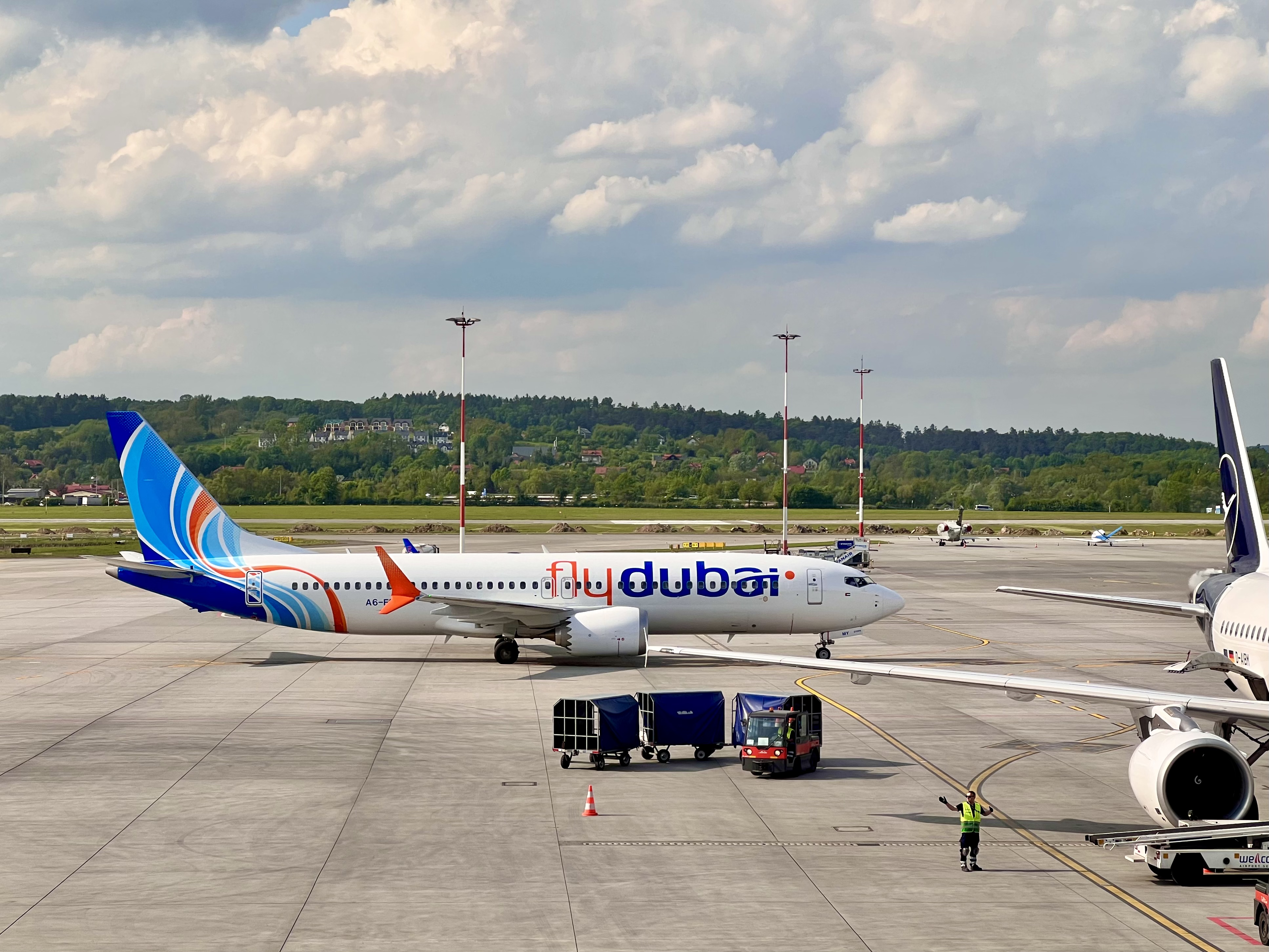
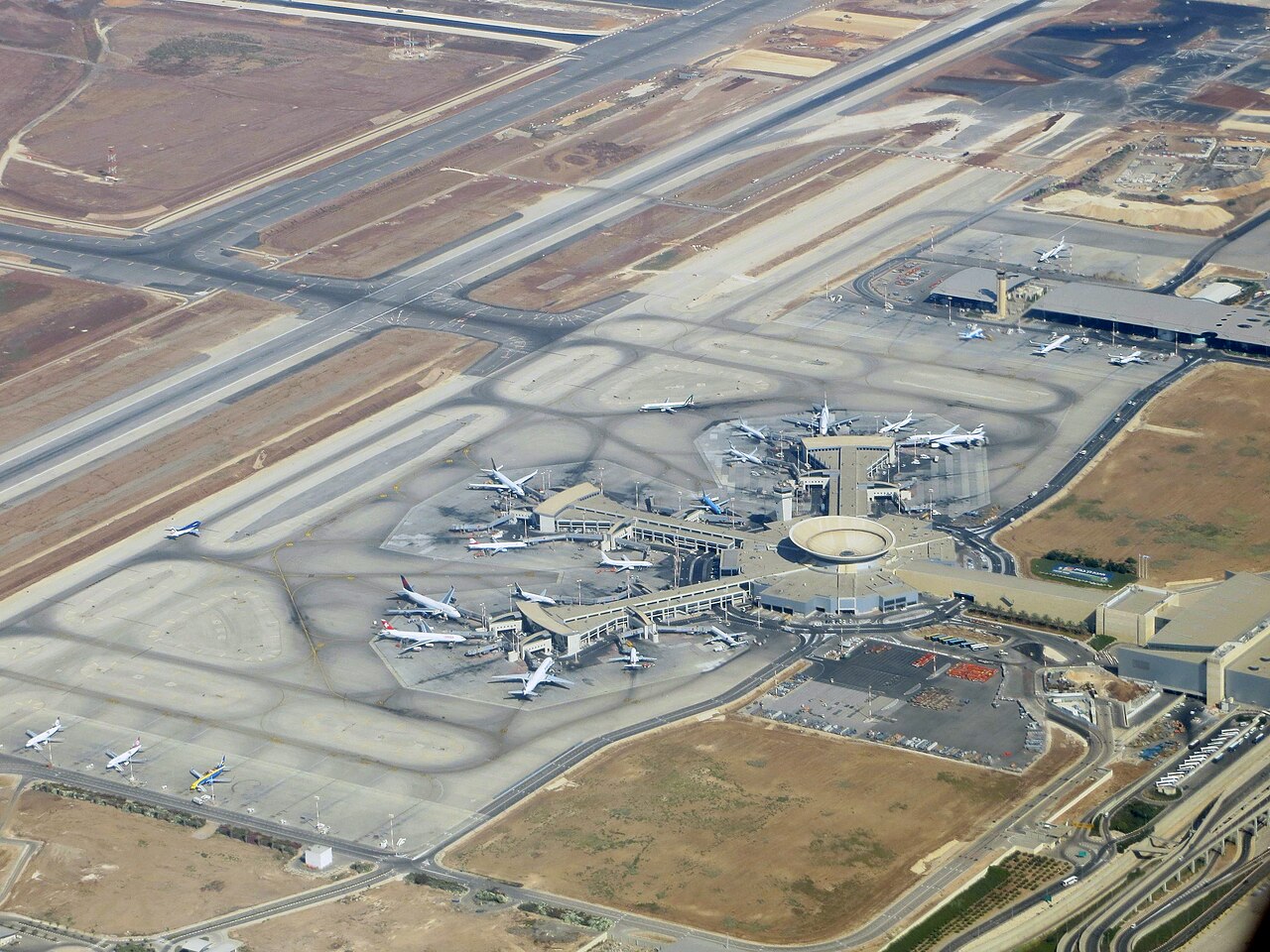
The United Arab Emirates’ attorney general says the co-pilot who attacked the captain of a flydubai flight on 30 September was carrying out a “suicide” mission: to seize control of the aircraft and crash it into the passenger terminal at Ben Gurion Airport in Tel Aviv, Al Jazeera reported, citing the Emirati state news agency WAM.
Attorney General Hamad Saif al-Shamsi said investigators believe the alleged plan “drew inspiration from the 9/11 attack”, a reference to the 11 September 2001 attacks in the United States. He said the 29-year-old suspect, an Omani national, had given a detailed confession in the presence of his lawyer and “admitted that he had acted alone, without the involvement of others”, according to Reuters, carried by The Express Tribune.
It is the most detailed public account yet of the incident and marks a shift from the UAE’s earlier finding. On 3 October, as KhabarWire reported at the time, the prosecutor general described the cockpit struggle as an attempted “terrorist act” but gave no motive and did not say what the attacker had intended to do with the aircraft. The 9 October statement supplies both: a stated objective and a claimed reason.
How the attempt unfolded
Flight FZ1073 left Dubai for Tel Aviv at about 7:05am on 30 September with 174 people on board and climbed to 34,000 feet, according to flight-tracking data cited by Al Jazeera. A little more than two hours later, while the aircraft was over Saudi airspace, it began a steep, sudden descent.
The attorney general said the co-pilot attacked the captain, Smit Machchhar, an Indian national, inside the cockpit with an emergency crash axe, striking him on the head. Reports describe the aircraft plunging between roughly 16,000 and 17,000 feet in a matter of seconds to about two minutes; the accounts vary and may be refined.
A captain who was rostered to fly the aircraft’s return leg was also travelling on board. According to the prosecution account, he noticed the cockpit door opening and closing repeatedly, entered using the access code, and — with a cabin crew member and several passengers — restrained the attacker and helped the wounded captain. The return-flight captain and his co-pilot took control and diverted the jet to Tabuk in north-western Saudi Arabia, where it landed safely. A forensic medical examination found the captain’s head injuries were consistent with an assault with an emergency axe.
What the investigation says about the suspect
The attorney general’s statement, as carried by WAM and reported by Geo News and Pakistan Today, sketched a long trail that the airline’s screening did not catch.
Investigators said the suspect’s extremist views began to form in 2017, while he was studying in Australia, and that he was influenced by extremist literature and online material glorifying terrorist organisations and suicide attacks. He told investigators he had prepared by increasing his exposure to such material and by taking boxing lessons with a private coach, the statement said. He had also travelled to Tel Aviv twice before the attack to familiarise himself with the flight route and the airport.
The suspect worked for Oman Air from 2020 to 2024, joined Royal Air Maroc in early 2025, and moved to flydubai in January 2026, according to the prosecution account. The investigation found he had met the airline’s professional and security requirements, including holding a valid pilot’s licence and providing a certificate of good conduct, and that the recruitment process revealed no indications of extremist views or an intention to mount an attack. That finding is a central point of the case: it suggests that standard employment vetting did not flag the threat.
Why it matters for Gulf aviation — and Pakistan
The case has focused attention on how a serving crew member could turn a cockpit emergency tool against a pilot on a politically sensitive route, and on whether security checks on flight-deck staff are strong enough. Flydubai suspended its Israel route after the attack, and the wider disruption has rippled through regional aviation, including Pakistan-linked services: on 9 October, PIA temporarily suspended its Islamabad–Riyadh flights amid the same period of heightened Middle East tension.
For readers in Pakistan the story is not remote. Dubai is one of the principal transit hubs for travel between Pakistan and the rest of the world, and the UAE hosts one of the largest Pakistani expatriate communities anywhere. Security reviews and route suspensions on Gulf carriers are felt directly by Pakistani travellers, workers and remittance flows. A plot aimed at an Israeli airport that was meant to begin on a Dubai-based carrier also touches the region’s most important aviation market.
What is still uncertain
Several questions remain open. The attorney general said prosecutors are continuing to verify the suspect’s account and to investigate whether he had accomplices or other links; the claim that he acted alone is his account, not a concluded finding. The UAE has not officially identified the suspect, and the name reported by news agencies comes from people with direct knowledge of the matter rather than an official statement. Oman has not commented publicly.
It is also unclear what the confession and the physical and digital evidence will show about his movements between 2017 and 2026, when and how he was radicalised, and why employment screening did not detect any warning signs. Saudi Arabia, where the aircraft landed, has opened a separate safety investigation whose scope and timetable are not public. And prosecutors have not said what charges the suspect will face or when. The 9 October statement sets out the case the state intends to make; it is not a verdict.
Sources & reporting notes
This is a synthesis of published material, not eyewitness reporting. Sources were reviewed on 10 October 2026 (Asia/Karachi). The central facts — the attorney general's statement carried by the state news agency WAM, the sequence aboard flight FZ1073 and the diversion to Tabuk — were cross-checked across independent outlets. The suspect's identity, the confession's details and any involvement by others remain subject to an ongoing investigation and have not been finally established.
- Al Jazeera English — Flydubai co-pilot plotted 'suicide' attack on Israel, UAE says9 October 2026 · Account of the attorney general's WAM statement: the suicide mission and 9/11 inspiration, the two reconnaissance flights, the recruitment checks and the suspect's employment history.
- Reuters via The Express Tribune — UAE says flydubai co-pilot 'had planned a suicide attack'10 October 2026 · Independent wire report: the plan to crash into the Ben Gurion terminal, the crash-axe attack, the diversion to Tabuk and the Saudi safety investigation.
- Geo News (Reuters) — flydubai co-pilot planned suicide attack on Tel Aviv airport: UAE9 October 2026 · Pakistan-based report of the same statement: the confession in the presence of a lawyer, the 2017 radicalisation timeline in Australia, the airlines worked for and the forensic medical finding.
- Pakistan Today — Flydubai co-pilot planned suicide attack on Tel Aviv airport, UAE says10 October 2026 · Independent confirmation: the confession, the role of the return-flight captain who intervened, the captain's injuries and the continuing inquiry into possible accomplices.