Reporting snapshot · 31 October 2026 (Asia/Karachi). The figures are provisional and were compiled by the revenue board late on Friday evening, so the October and four-month totals can still move as returns and import duties are counted. The projected full-year gap is an internal assessment attributed to officials rather than a published forecast, and the tranche condition is described in reporting rather than in a Fund document.
What happened
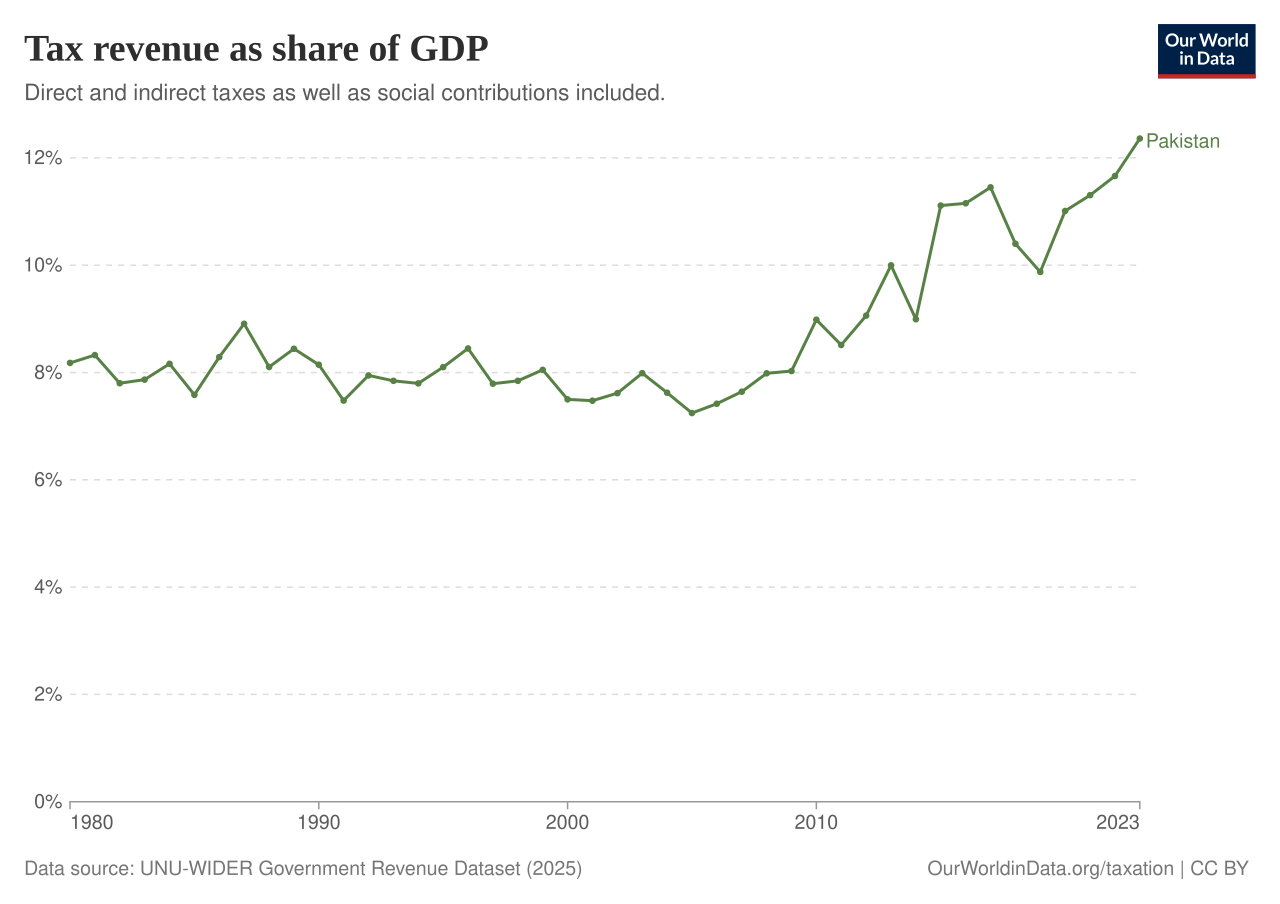
Pakistan’s revenue board collected Rs4.06 trillion in taxes between July and October, falling Rs124 billion short of the four-month target it had set for the opening months of fiscal year 2026-27, according to provisional figures compiled late on Friday and reported by Profit and The Express Tribune.
October receipts of Rs974 billion came Rs158 billion below the Rs1.132 trillion monthly goal, and were only Rs23 billion, or 2.5 per cent, higher than a year earlier. Across the four months, receipts rose Rs220 billion, close to 6 per cent on the same period of the previous year, against the 17.4 per cent growth the annual target requires.
The Federal Board of Revenue (FBR) has been assigned a tax collection target of Rs15.263 trillion for FY27 under the government’s programme with the International Monetary Fund, Profit said. The board’s own internal assessment points to collections of Rs14.3 trillion to Rs14.6 trillion by June 2027, according to The Express Tribune, which would leave the year short of the target.
Why the shortfall matters
The gap matters because of what it does to the IMF timetable. The Fund has linked approval of the sixth loan tranche to Pakistan’s achievement of its first-half tax revenue target, Profit reported. The Express Tribune noted that, unlike in the past, the IMF has made the tax goals binding, with the sixth tranche contingent on the first-half target being met.
On the reported numbers, the remaining eight months of the fiscal year have to deliver about Rs11.2 trillion to reach Rs15.263 trillion — an average of roughly Rs1.4 trillion a month, well above the Rs1.132 trillion October goal.
The miss also follows a year in which the target was met. In a July press release, the revenue board said Finance Minister Muhammad Aurangzeb had congratulated it for achieving the FY2025-26 annual collection target, and that it had disbursed Rs599 billion in tax refunds during the year. This is not the first gap Pakistan has opened against the board: KhabarWire reported in April that the FBR finished the previous fiscal year Rs683 billion below its revised ten-month target. The board’s reform programme, collection data and enforcement steps are followed in KhabarWire’s FBR Reforms and Tax Collection hub.
Where the money came from
The shortfall is not spread evenly across the four streams. Income tax, the largest, brought Rs1.85 trillion and missed the four-month target by Rs165 billion. Sales tax was the one bright spot: Rs1.515 trillion, Rs67 billion above target and Rs155 billion, or 11.3 per cent, higher than a year earlier, the fourth consecutive month in which sales tax beat its goal. Federal excise duty stood at Rs277 billion, roughly on target but growing only 6.5 per cent, and customs duty receipts of Rs424 billion came Rs25 billion short of target and were almost unchanged from the previous year. Profit set out the same breakdown.
Returns filed with tax are the other weak spot. As of 28 October, income tax paid alongside returns stood at Rs85.2 billion, against Rs88.5 billion in the same period last year, even though more returns were filed; The Express Tribune said the trend was not a healthy one. KhabarWire reported earlier in October that the number of filers had jumped 45 per cent while tax paid with returns fell.
Friday, 31 October, was the final day of a filing deadline that had already been extended twice, to that date under Circular No. 04 of 2026-27 issued by the Inland Revenue wing, Geo News reported and covered by KhabarWire when the second extension was announced. Tax authorities expected Rs20 billion to Rs25 billion to arrive with returns filed on the day, alongside further import duties, and hoped the returns figure would pass Rs100 billion by late Saturday evening. That would narrow the gap without erasing it, Profit said.
What is still uncertain
Three things. First, the numbers are provisional: they were compiled before the deadline day closed, and further returns and import duties will be added, so both the October figure and the four-month total can still move.
Second, the projection of Rs14.3 trillion to Rs14.6 trillion by June is an internal assessment attributed to officials, not a published forecast, and the gap it implies depends on the pace of the second half of the year rather than on anything settled.
Third, the board has been managing internal friction at the same time. The Express Tribune reported that the results came after the government discussed establishing a new tax agency or outsourcing the FBR’s functions, then shelved the idea, and after the Inland Revenue Service Officers Association threatened a pen-down strike over adverse action against its office-bearers before withdrawing the threat. The board has suspended two officers and posted seven others in Khyber Pakhtunkhwa and Balochistan on suspicion they were behind the strike move.
What to watch is November: the first full month after the filing deadline will show whether the Rs1.4 trillion-a-month pace needed for the annual target is within reach, and whether the first-half condition attached to the next IMF tranche is met on schedule.