Reporting snapshot · 26 September 2026. Rescue and police officials confirmed 11 dead, including police and customs personnel, and more than 30 injured in a suspected vehicle-borne suicide attack on the Aman Mela checkpost near Darazinda in Dera Ismail Khan. The Tehreek-e-Taliban Pakistan claimed responsibility. Casualty figures were still being updated, with some of the injured reported critical.
What happened
A suspected suicide bomber detonated an explosives-laden vehicle at the Aman Mela joint checkpost in the Darazinda area of Dera Ismail Khan, Khyber Pakhtunkhwa, on the afternoon of 26 September 2026, killing at least 11 people and wounding more than 30, police and rescue officials said.
K-P Rescue 1122 said its Darazinda station team reached the scene immediately and recovered the bodies of 11 people from the debris, while around 30 injured people were provided medical assistance and shifted to hospitals. District emergency officer Muhammad Arif Khan dispatched four additional ambulances from Dera Ismail Khan, and reinforcements were called in from Karak and Hangu. Six Rescue 1122 ambulances, one firefighting vehicle and more than 25 personnel took part in the relief operation.
Police said the blast targeted the anti-smuggling checkpost, which stands on the Dera Ismail Khan–Quetta Road near Mughal Kot and Darazinda, close to the border between Khyber Pakhtunkhwa and Balochistan. According to initial accounts, an explosives-laden vehicle rammed the checkpoint and detonated, and an exchange of fire between police and the attackers followed the explosion. K-P Inspector General of Police Zulfikar Hameed said police, security forces and Counter-Terrorism Department teams cordoned off the area and launched a search and clearance operation, adding that evidence was being collected to determine the nature and cause of the blast.
Who was killed and who claimed responsibility
The dead included police and customs personnel as well as civilians. Sourcing attributed the toll to six police officers, two customs officials, two women and a two-year-old child, while Dawn reported that the 11 dead included eight men, two women and a child. Police and rescue officials stressed that the count could still rise because several of the wounded were in critical condition.
The Tehreek-e-Taliban Pakistan, the Pakistani Taliban, claimed responsibility for the attack in a statement, wire agency Reuters reported. The claim was carried by international outlets on the evening of 26 September. It has not been independently verified; militant responsibility claims are routinely treated with caution by security analysts, and the identity of the attackers had not been confirmed by the security establishment when this article was written.
The response
K-P Governor Faisal Karim Kundi sought a report from senior officials and described the attack as “a nefarious conspiracy by Fitna al-Hindustan”, the official designation his office used. He directed the authorities to provide the injured with every possible medical treatment. Former K-P chief minister Ali Amin Gandapur offered condolences for the security personnel and civilians killed, and Sindh Chief Minister Murad Ali Shah strongly condemned the blast, saying police and customs personnel who give their lives for the country are the nation’s pride.
The attack came during a period of sharply rising militant violence against the police in Khyber Pakhtunkhwa. Just over a week earlier, an explosives-laden vehicle detonated near a mosque inside the Old Police Lines in Kohat on 18 September, killing 21 people including 15 police officers in an attack later claimed by the Ittihadul Mujahideen Pakistan, an alliance of factions led by the Afghanistan-based commander Hafiz Gul Bahadur. In a separate incident, six security personnel were killed in an exchange of fire in Hangu district. Pakistan has since described a series of “calibrated” responses, including air strikes against militant hideouts near the Afghan border and the interception of drones crossing from Afghanistan, with precision strikes on ten locations inside Afghanistan reported on 24 September.
Why Dera Ismail Khan
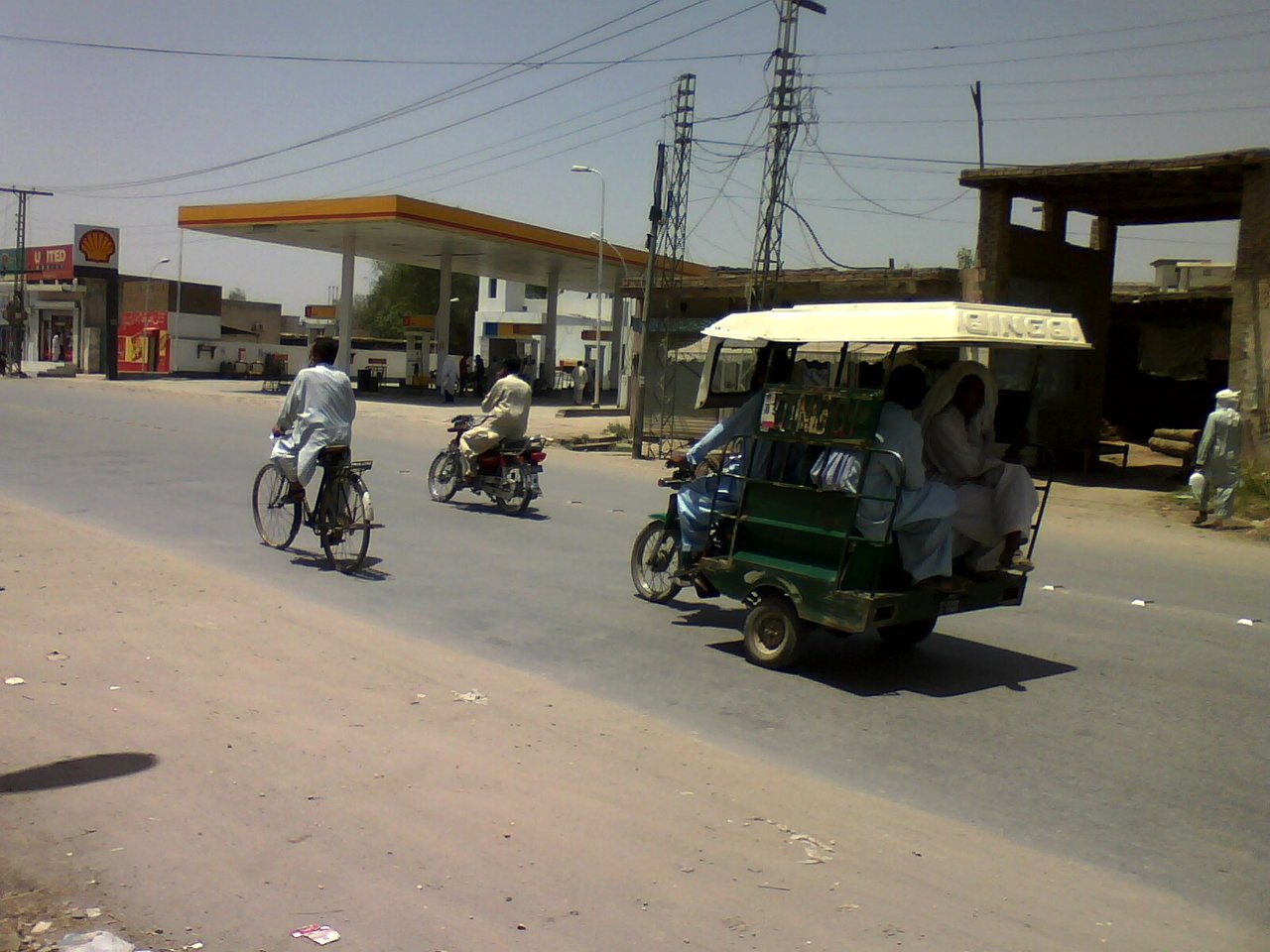
Dera Ismail Khan, in southern Khyber Pakhtunkhwa near the Afghan border, has been repeatedly hit by militant violence this year, frequently targeting police and security forces. The district has been the scene of a long series of attacks: a wedding suicide blast in January killed seven people, and earlier this year gunmen and bombers struck police posts in the district, killing more than a dozen officers in separate incidents. The Darazinda area, where the latest blast occurred, has been a focus of counter-smuggling and counter-terrorism operations given its position near the provincial boundary.
The February attack, in which a car bombing at a police post was followed by an ambush of officers rushing to the scene, left 14 police dead, police said at the time. A drone and ambush assault on another post in the district in late July killed ten officers. The repeated targeting of checkposts and police posts in the district reflects the pattern of the Pakistani Taliban and allied networks, which have intensified attacks on the state as security forces run counter-terrorism operations under the Fitna al-Khawarij designation.
What is still uncertain
The most important uncertainties concern the casualty count and the identity and affiliations of the attackers. Rescue and police officials gave slightly different injury totals during the afternoon — Rescue 1122 initially reported about 20 wounded, while Reuters cited 30 and other local reports put the figure above 30 — and several injured people were described as critical, so the toll could rise. The TTP’s claim has not been independently confirmed, and it was not clear by the time of writing whether the security establishment would issue its own statement on the group responsible.
Also open is the question of whether the attack will change Pakistan’s cross-border posture. The blast came days after Islamabad said it had carried out strikes against militant targets across the border in Afghanistan and demanded that the Taliban administration in Kabul take “credible, verifiable and sustained” action against groups operating from Afghan soil. Afghanistan’s Taliban government denies harbouring militants and calls such attacks a domestic problem for Pakistan.
Sources & reporting notes
This is a synthesis of published material, not eyewitness reporting. Sources were reviewed on 26 September 2026. Casualty figures come from Rescue 1122 and police statements as reported by multiple outlets; the responsibility claim is a militant group's assertion and has not been independently verified.
- The Express Tribune — At least 11 killed, several injured in K-P's Dera Ismail Khan blast26 September 2026 · Report of the Rescue 1122 toll, the IGP statement on the joint anti-smuggling checkpost, the search and clearance operation, and the K-P governor's response.
- Dawn — At least 11 killed, several injured in blast targeting DI Khan police checkpost: Rescue 112226 September 2026 · Independent confirmation of 11 dead (eight men, two women, a child) and the location near Mughal Kot and Darazinda on the DI Khan–Quetta Road.
- Al Jazeera English — Suicide bombing in Pakistan's Dera Ismail Khan kills several people26 September 2026 · Independent account confirming 11 security personnel killed and 30 wounded, and the TTP claim of responsibility.
- Reuters wire via The Straits Times — Blast in Pakistan's Dera Ismail Khan kills 11, injures 3026 September 2026 · Reuters report of the Rescue 1122 statement, the TTP claim, and the district's history of militant attacks.
- SAMAA TV — 11 martyred in DI Khan checkpost blast26 September 2026 · Corroborating breakdown of the dead (six police, two customs officials, two women, a child), the exchange of fire, and the security response.