What changed on 1 January
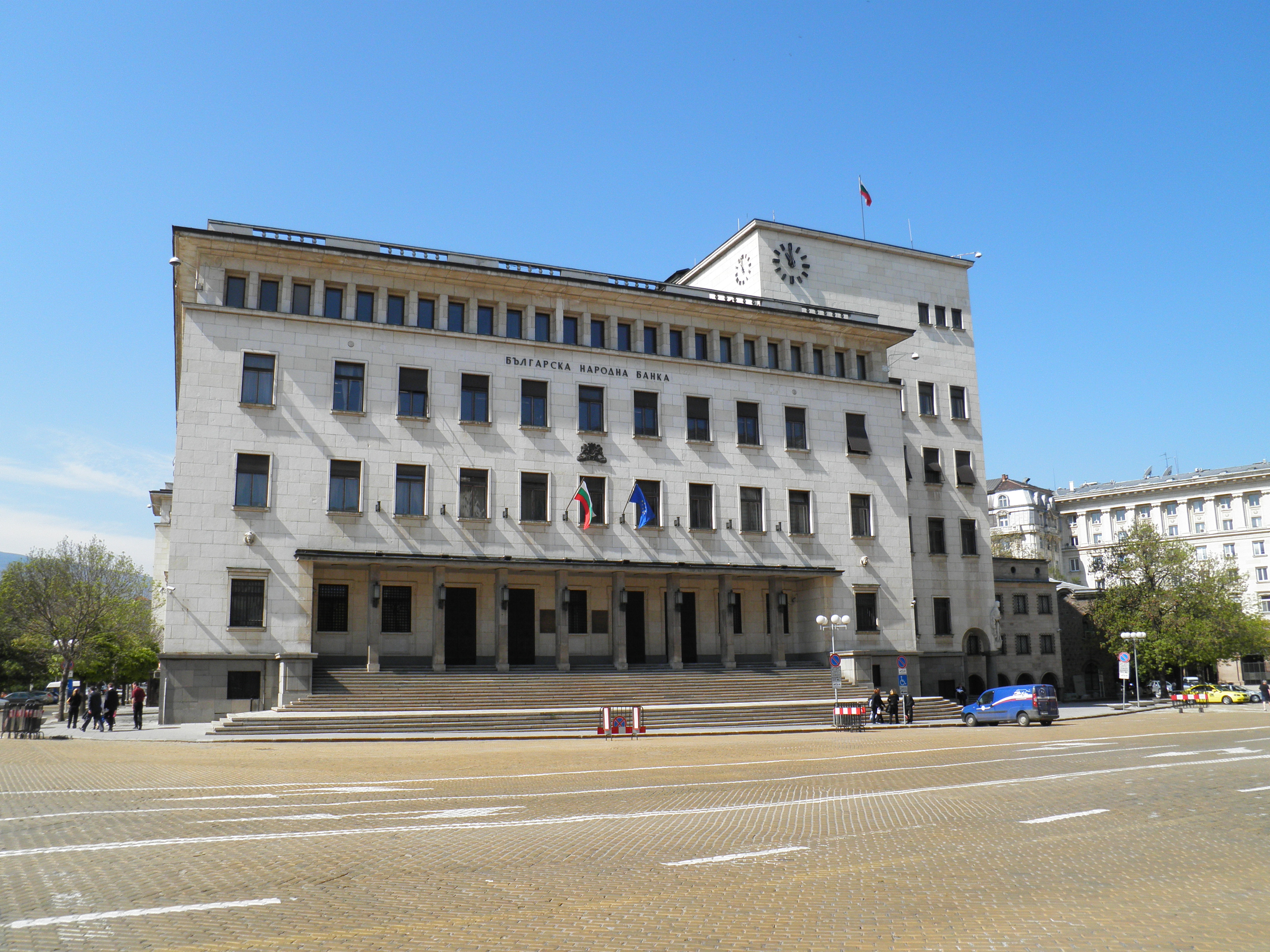
Bulgaria adopted the euro on 1 January 2026, becoming the currency union’s 21st member. The change was immediately visible: cash machines in Sofia began dispensing euro notes, bank balances denominated in lev were converted at the fixed rate of 1 euro to 1.95583 lev, and euro coins carrying Bulgarian national designs entered circulation. But the larger change was institutional. The Bulgarian National Bank joined the Eurosystem, its governor gained a place on the European Central Bank’s Governing Council, and Bulgaria entered the shared machinery that implements euro-area monetary policy.
The ECB’s announcement on the day said Bulgarian banks and markets had also joined the TARGET services used to settle payments, securities and collateral. The ECB’s existing oversight of Bulgarian banks moved from a close-cooperation arrangement to full membership of the Single Supervisory Mechanism. In other words, this was not simply a redesign of notes, prices and accounting software: Bulgaria acquired a formal voice inside the institutions whose decisions already had a powerful effect on its economy.
The cash transition was deliberately gradual. Lev and euro notes and coins could both be used during January, although change was returned in euro. Commercial banks and designated post offices exchanged lev free of charge during the initial transition, while the Bulgarian National Bank committed to exchange the old currency indefinitely and without a fee. Dual price displays were intended to let shoppers check conversions and spot unjustified increases.
Why the monetary-policy shift was unusual
Euro membership normally means surrendering an independent exchange rate and national interest-rate policy. Bulgaria’s case was different because much of that adjustment had occurred years earlier. After a devastating banking and inflation crisis in 1996–97, the country adopted a currency-board system. The lev was first tied to the German mark and later fixed to the euro at the same rate used in the 2026 conversion.
That arrangement constrained Bulgaria’s ability to devalue its currency or set monetary conditions independently, but it did not give the country a vote at the ECB. Adoption closed that gap. As Reuters reported from Sofia, euro membership placed the Bulgarian central-bank governor at the ECB’s rate-setting table. It also made euro liquidity and the common settlement infrastructure part of Bulgaria’s normal central-banking framework.
This distinction matters when judging both the benefits and the costs. For an economy already operating a hard peg, the switch did not represent the same overnight loss of exchange-rate flexibility that it would for a freely floating currency. The most concrete gains were instead the removal of conversion costs, easier price comparison and cross-border payments, and fuller participation in euro-area decisions and financial safeguards. Those gains were meaningful, but they did not guarantee faster growth or higher household incomes.
What households and businesses were promised—and feared
For households, the first questions were practical: whether savings would retain their value, how long lev cash would remain usable, and whether merchants would round prices upward. Automatic conversion at the fixed rate protected the nominal value of bank deposits. Dual pricing and consumer monitoring were designed to make abusive conversion more visible. For businesses trading with euro-area partners, the end of currency conversion reduced fees and accounting friction, while the removal of exchange-rate risk made contracts simpler.
The economic case nevertheless arrived amid low trust. Associated Press reporting published on 1 January described a country split over the change, with inflation fears, concern about losing a national symbol and broader skepticism toward public institutions. AP also noted that Bulgaria entered the union during political instability after the government resigned following anti-corruption protests.
Those concerns should not be dismissed as a misunderstanding of conversion arithmetic. A fixed rate ensures that a correctly converted price is equivalent on day one; it cannot prevent a seller from raising the underlying price. Earlier euro changeovers suggested that the measured inflation effect would probably be small and temporary, but individual households could still notice increases in frequently purchased services. The decisive evidence would come from observed prices after adoption, not from promises made before it.
Nor could a currency changeover solve Bulgaria’s deeper governance and income problems. Le Monde’s contemporaneous reporting placed the adoption alongside political fragmentation, corruption concerns and a lack of an approved budget. Euro membership could reduce monetary and transactional barriers, but investment decisions would still depend on courts, regulation, public administration and political stability.
Why the move mattered beyond Bulgaria
Bulgaria’s entry expanded the euro area for the first time since Croatia joined in 2023. It also completed another stage in a longer westward institutional alignment that included NATO membership in 2004, EU membership in 2007, banking-union cooperation from 2020 and full participation in the Schengen travel area in 2025.
For the European Union, enlargement carried political symbolism at a time of geopolitical strain. For Bulgaria, however, the durable significance was more specific: the country moved from following a currency it had shadowed for decades to sharing responsibility for governing it. That new influence remained limited by the scale of Bulgaria’s economy and by the ECB’s rotating voting arrangements, but it was influence that the currency board could never provide.
What remained uncertain on the day
On 1 January, the operational switch appeared to be functioning: ATMs issued euros, accounts converted and the ECB reported that the migration of payment and settlement services had gone smoothly. The longer test had only begun. It was not yet possible to know whether price monitoring would preserve public confidence, whether conversion savings would translate into investment, or whether political turmoil would weaken the benefits of deeper integration.
The most accurate conclusion at the time was therefore narrower than either celebration or alarm. Bulgaria had made a consequential institutional change, but not an economic reset. The country replaced the physical lev, joined euro-area decision-making and gained direct access to common systems. Its living standards, prices and political trust would still be shaped by choices extending far beyond the currency printed on a banknote.



.jpg)