Reporting snapshot · 2 September 2026. The rate decision is final, but the next move is not: the Reserve Bank says its path will depend on inflation, economic activity and global risks.
What happened
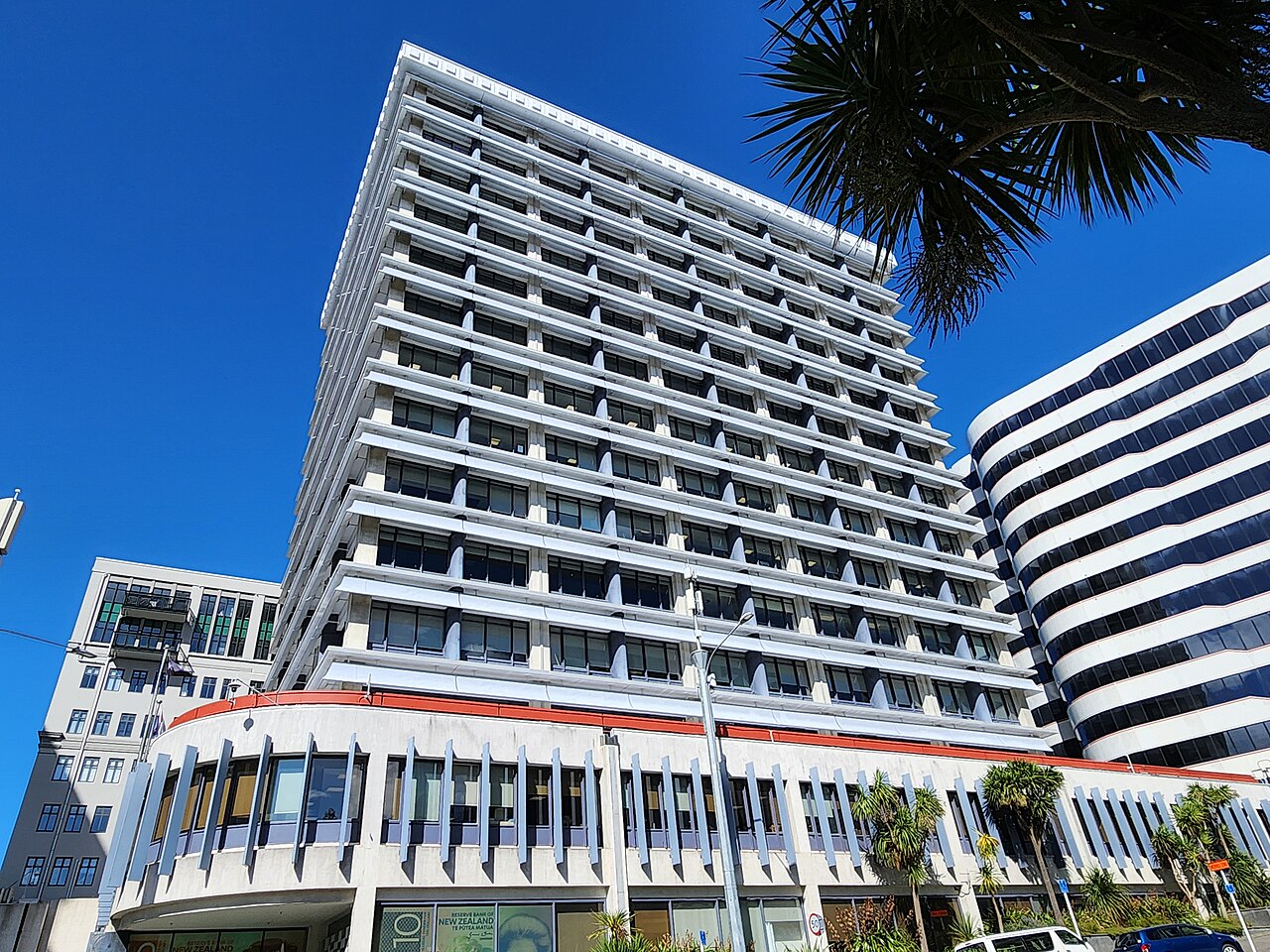
New Zealand’s central bank raised its Official Cash Rate by a quarter of a percentage point to 2.75% on Wednesday, its second consecutive increase. The six-member Monetary Policy Committee reached the decision by consensus and said gradually removing monetary stimulus was appropriate to bring inflation back toward 2% without creating unnecessary instability.
The increase was widely expected. The more consequential message was about what comes next. In its September Monetary Policy Statement, the Reserve Bank of New Zealand said another increase may be needed, but did not commit to when. Its projected average cash rate reaches 2.81% in the December quarter and 3.15% by the end of 2027, according to Reuters reporting carried by The Business Times.
That measured path was less aggressive than financial markets had anticipated. The New Zealand dollar fell after the announcement, while two-year swap rates also eased. The reaction is not evidence that the rate increase was ineffective; it shows that markets had already priced in the decision and were more focused on how high rates might ultimately go.
Why the bank raised rates when the recovery is still fragile
Annual consumer-price inflation reached 4.1% in the June quarter, above the central bank’s 1%–3% target band and up from 3.1% in March. The headline jump was unusually dependent on imported energy costs. Stats NZ reported that petrol prices rose 27.5% over the year and accounted for almost a quarter of the annual increase. Other vehicle fuels and lubricants rose 71%. If petrol and diesel prices had not changed, annual inflation would have been 2.9%.
That distinction matters because an interest-rate increase cannot produce more oil or directly reverse an overseas supply shock. It can, however, reduce the risk that a temporary rise in fuel costs spreads into wages, expectations and the prices of a wider range of goods and services. The bank noted that inflation excluding vehicle fuels was 2.9%, while most measures of underlying inflation remained inside the target band. Its decision therefore looks less like an attempt to erase the fuel shock and more like an effort to prevent it from becoming embedded. In Pakistan, the central bank raised its policy rate by 100bps in April before holding it at 11.5pc in July.
The trade-off is unusually sharp. The Reserve Bank says the economy’s recovery has probably resumed after lacklustre growth in the June quarter, supported by export prices and demand from trading partners. But it also describes the recovery as uneven: weak income growth, job insecurity and flat house prices are still restraining household spending and residential investment, especially in Auckland and Wellington.
Higher borrowing costs add another restraint. The cash rate influences wholesale funding costs and, over time, the mortgage and deposit rates offered by commercial banks. The effect on any household will depend on its lender, loan structure and refixing date; Wednesday’s quarter-point move does not translate mechanically or immediately into an identical change for every borrower.
A hike that still sounded cautious
The central bank is trying to communicate two positions at once. Inflation is too high, so leaving policy unchanged carried a risk. Yet the sources of that inflation and the weakness in parts of the domestic economy argue against rapid tightening.
Governor Anna Breman said a further increase was likely but its timing was highly uncertain. The committee also stressed that its projected rate track is conditional rather than a promise. That language helps explain why analysts described the announcement as comparatively restrained despite the rate rise itself.
RNZ’s account, republished by the Otago Daily Times, likewise reported that the bank expects fuel effects to fade from the annual comparison and inflation to return to 2% by the end of 2027. It noted that the committee has two meetings left this year, in October and December. The central projection points toward at least one further quarter-point increase by year-end, but the bank has explicitly left room to change course.
For households and businesses, that means the direction is clearer than the timetable. Policy is moving away from stimulus, but officials are not signalling a fast sequence of increases regardless of incoming evidence. For markets, the gap between those two ideas—another rise may be likely, while an immediate rise is not assured—was the central news in Wednesday’s decision.
What is still uncertain
The largest uncertainty is whether fuel-driven inflation fades without setting off broader price increases. Stats NZ’s next quarterly inflation release is scheduled for 22 October, six days before the Reserve Bank’s next policy decision. That sequence will give policymakers a more current reading on whether the June surge was concentrated or persistent.
Growth is another open question. The bank expects activity to strengthen in the second half of 2026, but warns that weaker commodity prices, softer export demand or further global disruption could alter the outlook. A stronger recovery could add domestic inflation pressure; a weaker one would make further rate increases more costly.
The September decision therefore should not be read as a fixed programme. It is a dated judgement that the risk of persistent inflation warranted a second increase, paired with a promise to reassess as new evidence arrives. The next meaningful answer will come not from the projected line alone, but from inflation, labour-market and activity data before the committee meets again.