Reporting snapshot · 12 November 2026 (Asia/Karachi). The closure was ordered by Mansehra district police on 11 November, and its length depends on a weather system the meteorological department expects to run into 14 November. No reopening date has been announced, and the estimates of how long the route and the upper Kaghan Valley will stay cut off come from the district police officer and from residents rather than from a published schedule.
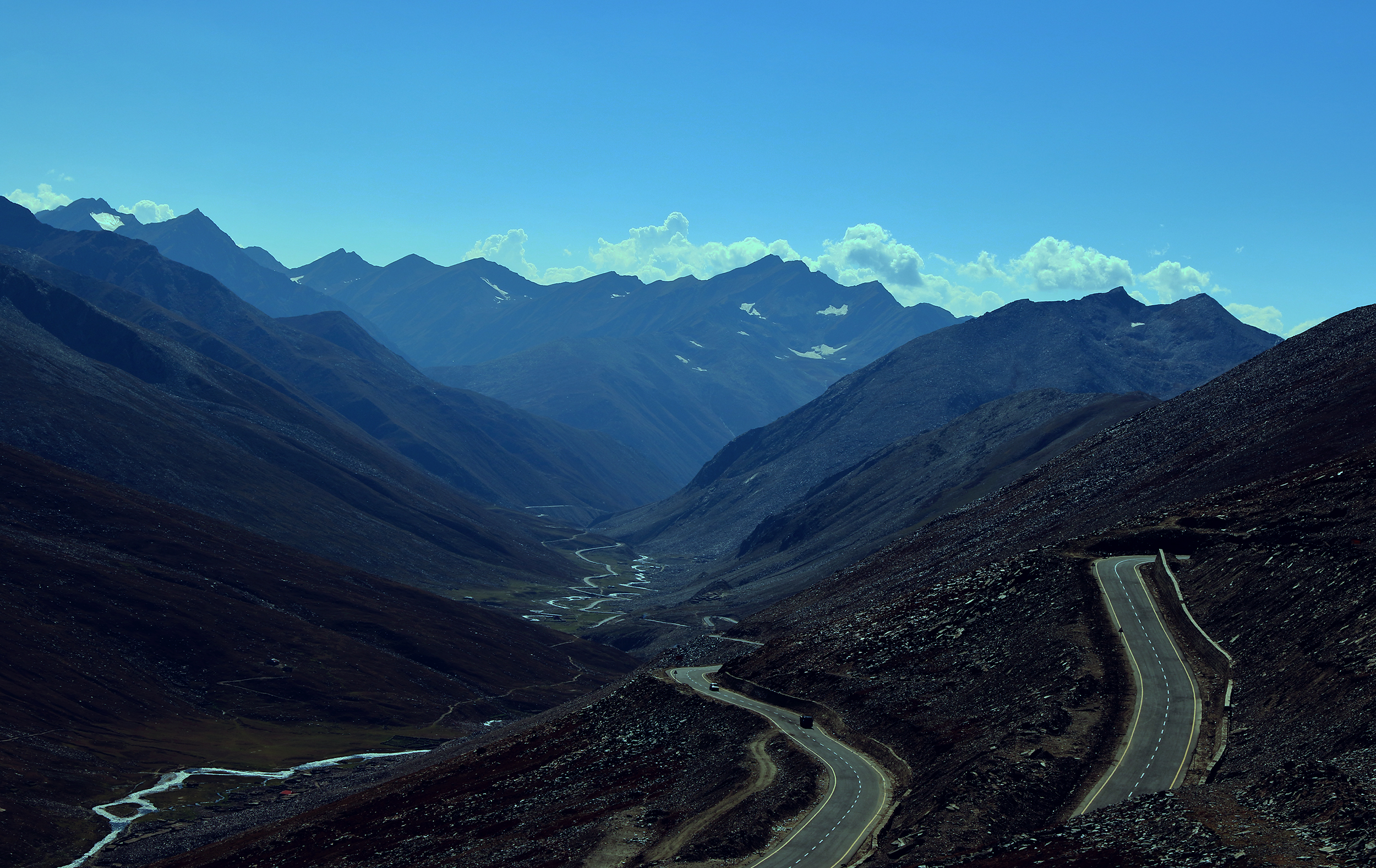
Heavy snowfall closed the road over Babusar Top on Wednesday, 11 November, and the district police officer in Mansehra warned that the route could stay shut until next summer if the current spell of snow continues. The News reported that traffic between Khyber Pakhtunkhwa and Gilgit-Baltistan, carried over the Mansehra-Naran-Jalkhad road, had been suspended after the Kaghan Valley received its second-heaviest snowfall of the season.
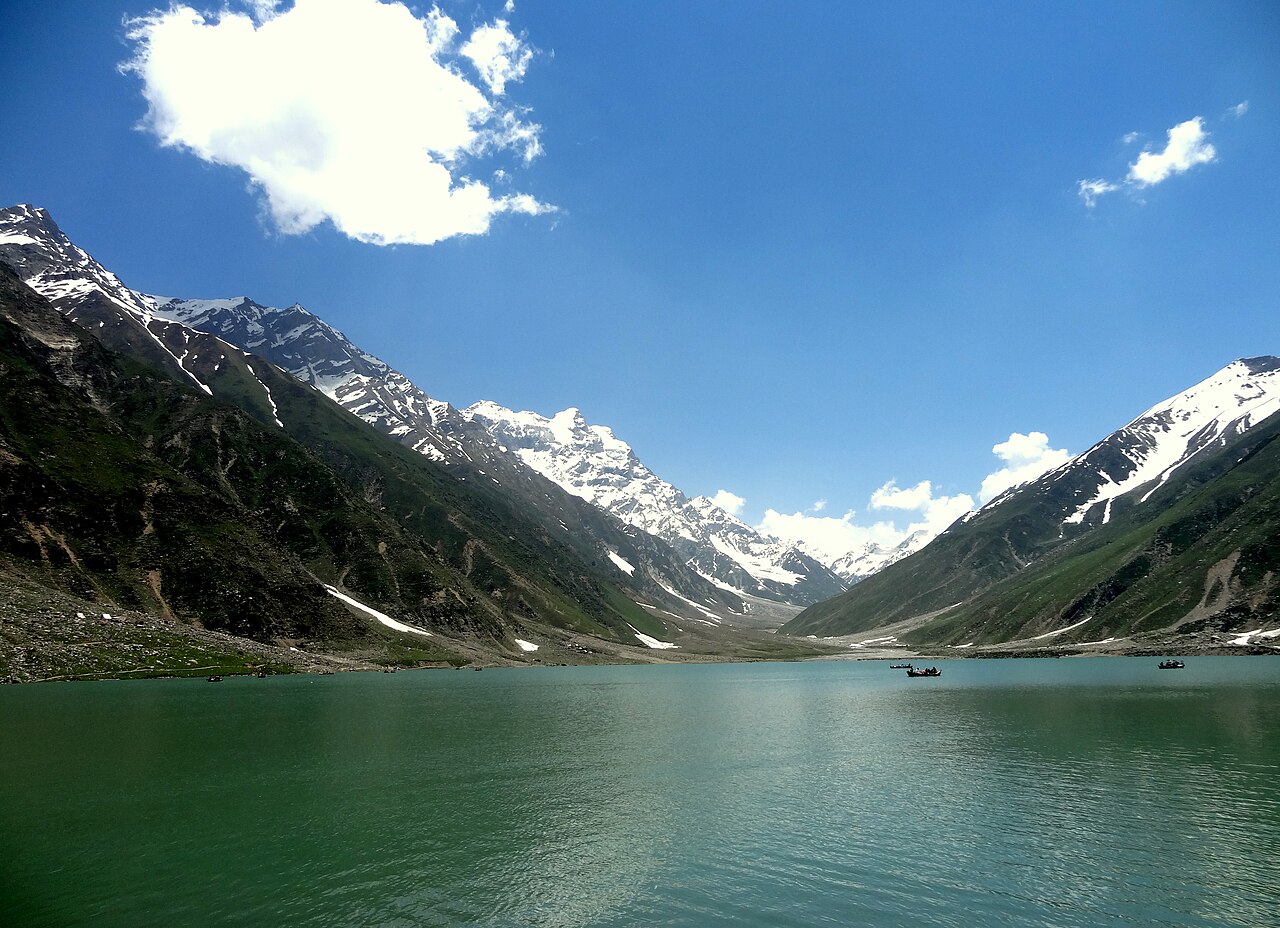
District Police Officer Mohammad Waqas Khan told reporters that traffic had been restricted beyond Bassal, towards the upper parts of the Kaghan Valley and the neighbouring Diamer district, “as fresh snowfall has made the Mansehra-Naran-Jalkhad (MNJ) Road slippery and dangerous”, The News reported. Snowfall began on the night of Tuesday, 10 November, in high-altitude areas including Saiful Muluk Lake, Lulusar Lake, Battakundi, Bassal and Babusar Top, and continued intermittently through Wednesday.
The Express Tribune, reporting from Kaghan, said heavy snowfall from Baiser to Babusar Top had covered the surrounding mountains with snow and blocked the road, affecting traffic movement in the upper Kaghan Valley. The same report noted that the meteorological department’s forecast covered 10 to 14 November, with snowfall expected over higher elevations in upper Khyber Pakhtunkhwa, Gilgit-Baltistan and Kashmir.
Naran stays open, the upper valley does not
Traffic up to Naran, the commercial hub of the Kaghan Valley, was still open on Wednesday and tourists continued to reach the snowfall areas, though in small numbers, The News reported. Police posts in the upper Kaghan Valley had not been shut, the district police officer said, adding: “If the prolonged spell of snowfall continues, it might block the MNJ Road permanently until next summer. During this period, traffic between the two federating units will remain suspended.”
Hotels and businesses in the upper parts of the valley had already closed until next summer, Hussain Deen, chairman of the Hoteliers Association, told The News, while Naran continued to receive visitors.
The weather system behind the snow
The snow came with a westerly wave. In a press release issued on the morning of 11 November, the Pakistan Meteorological Department said a shallow westerly wave was approaching the western and northern parts of the country on the evening of 10 November, was likely to strengthen on 12 November and may persist in the upper parts until the morning of 14 November. Under that system, the department forecast rain-wind/thunderstorm with isolated heavy falls and hailstorm in Khyber Pakhtunkhwa districts including Mansehra, Battagram and Abbottabad from the evening of 10 November to the morning of 14 November, with “snow over the mountains” also possible, and rain with snow over the hills in Gilgit-Baltistan districts including Diamir, Ghizer, Astore and Skardu. The PMD listed light snowfall over the high mountains and glaciers, foggy conditions over plain areas after the wet spell, and daytime temperatures 2 to 4 degrees lower, and advised all authorities concerned to remain vigilant.
The department’s daily forecast, issued at 17:30 on 11 November, kept snow in the outlook for Thursday: isolated light rain-wind/thunderstorm with light snow over high mountains for Wednesday night in Mansehra and other hill districts, then cloudy weather with intermittent rain-wind/thunderstorm and snow over mountains on Thursday, with isolated hailstorm and heavy falls in upper districts. For Gilgit-Baltistan it forecast cloudy conditions with light rain-thunderstorm and snow on Wednesday night, rising to intermittent rain-thunderstorm and snow at most places on Thursday.
A valley that empties every winter
The closure reaches beyond traffic. Indigenous communities settled in Battakundi, Barawai, Bassal and other upper parts of the valley have started moving down to Mansehra and other areas of Hazara Division to spend the winter, The News reported. A resident of Battakundi said almost half the families had already moved and that the rest would follow within 10 to 15 days, adding that the whole area from Naran upwards would probably remain closed until next summer, with traffic between the two federating units closed until May.
The same road opens again each spring. In April, the Kaghan Development Authority began clearing snow and glaciers from the Naran road to reopen Lake Saiful Malook to visitors for the tourist season.
When the route reopens depends on the snow
No authority has published a reopening date, and the district police officer’s warning that the road could be blocked until next summer is an assessment rather than a schedule. The meteorological department expects the system to strengthen on 12 November before it begins to weaken, so conditions in the upper valley could worsen before they improve. Police say their posts in the upper Kaghan Valley remain open for now.
The wider road network into Gilgit-Baltistan has already been tested this year: flash floods in Diamer in July closed the Karakoram Highway and stranded travellers and freight, KhabarWire reported. Whether the Babusar Top route reopens before the summer will depend on how long the snow lasts and on the clearing work the Kaghan Development Authority will have to repeat.