Reporting snapshot · 27 November 2026 (Asia/Karachi). The 18 November launch referred to the "next one hundred days", but the ministers did not restate a formal start date on 26 November. The announcements did not include a sector-by-sector allocation, and some of the listed projects are designed to run well beyond the period. The figures below are those the ministers gave at their briefing.
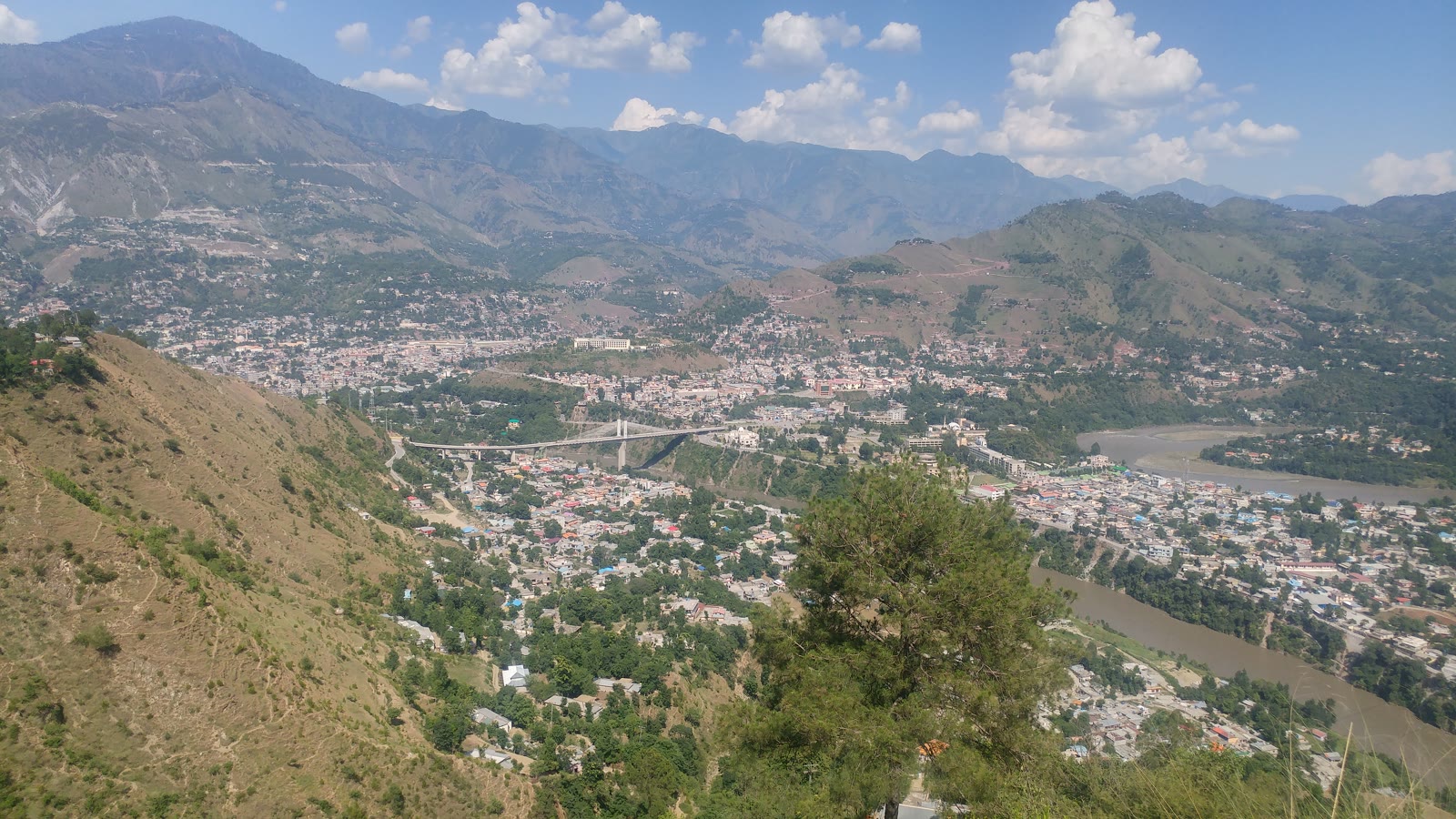
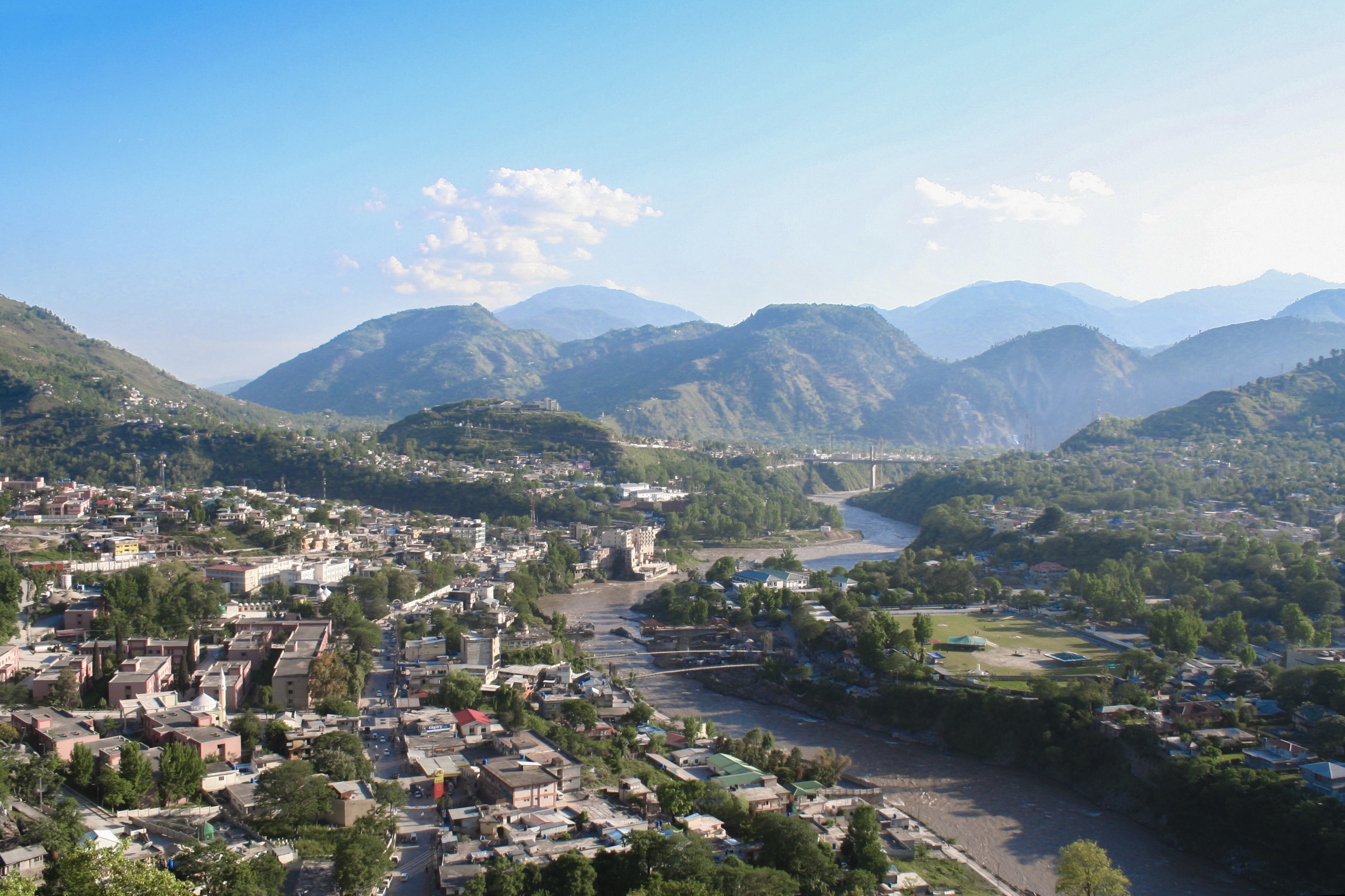
The Azad Jammu and Kashmir government on 26 November put project names and headline numbers to a Rs15 billion development package it wants to deliver in its first 100 days, led by 70 mobile hospital units, 75 electric buses and five Daanish schools. Five cabinet ministers gave the details at a press conference in Muzaffarabad, Dawn reported.
The ministers described the plan as a way to provide basic facilities, speed up development and improve service delivery across the region, The News reported. The package covers health, education, transport, tourism, municipal services and digital government.
The plan was first presented on 18 November at a Muzaffarabad meeting attended by PML-N President Nawaz Sharif, Prime Minister Shehbaz Sharif and AJK Prime Minister Syed Iftikhar Ali Gillani. Radio Pakistan reported that Shehbaz assured the AJK government of the federal government’s “full support and provision of required resources” for the programme, while Nawaz Sharif urged Islamabad to prioritise a motorway link between Muzaffarabad and Mirpur. The public record so far is that assurance, not a published financing schedule tied to individual projects.
Seventy mobile hospitals and three cardiac labs
Health and Population Welfare Minister Dr Mustafa Bashir Abbasi said the Sehat Karwan programme would deploy 70 mobile hospital units to remote areas, while the Sehat Sahulat programme would establish 20 model basic health units and 10 model rural health centres. Operation theatres and nursery units are to be set up at tehsil headquarters across the region’s three divisions, and district and divisional hospitals are to be upgraded.
Longer-term health projects include catheterisation laboratories in Kotli, Rawalakot and Bhimber, stroke centres in Muzaffarabad, Kotli and Mirpur, and the Muhammad Nawaz Sharif Modern Cardiac Hospital in Bagh, according to Dawn. The ministers also said an Essential Medicines Programme would cover emergency care and dialysis at major hospitals. The plan does not say how many of the mobile units will be new vehicles rather than existing clinics, or how their running costs will be met after the first 100 days.
Electric buses, Daanish schools and a single portal
Forests and Wildlife Minister Waqar Ahmad Noor said 75 electric buses would run in seven cities under the Kashmir Express Service, with routes in Muzaffarabad, Bagh, Rawalakot, Mirpur, Sudhnoti, Bhimber and Kotli reconditioned by June. Rescue 1122 units are planned for Neelum and Bagh, and the AJK One Portal is meant to bring e-stamping, e-tendering, e-procurement and e-payment onto one dashboard, alongside a Prime Minister’s Complaint Cell.
Education Minister Sardar Umair Naeem said the Darsgah programme would bring out-of-school children into schools, supported by a cellular biometric attendance system designed to work without internet access. The plan lists five Daanish Schools, a Daanish University in Muzaffarabad, scholarship programmes and 5,000 laptops in the first phase. Tourism Minister Chaudhry Abdul Rehman Arain said 26 guest houses and 32 tuck shops would be revamped through public-private partnerships, with rest areas on the Kohala-Muzaffarabad and Azad Pattan-Rawalakot roads.
The package also includes the Suthra Kashmir cleanliness drive in all 10 district headquarters, beautification work in Muzaffarabad and Mirpur, interest-free housing loans under the Apna Ghar scheme, mass weddings under the Dhee Rani programme and tree plantation along highways under Sarsabz Shahrah.
What the plan does not say
The briefing left three questions unanswered. The first is timing: the 18 November launch referred to the “next one hundred days”, but the ministers did not restate a start date on 26 November or say which projects are meant to be finished inside the period. Dawn reported that some projects extend beyond the 100-day timeframe, and The News said ministers described longer schemes as starting within the period and being completed later.
The second is money. The ministers called the package projects “worth” Rs15 billion, but did not set out how much of that is new spending, how much was already in the AJK development budget, or how the total is divided among health, education, transport and tourism. The federal government’s assurance of support is central because the AJK government is looking to Islamabad to finance the programme, but no financing agreement or release schedule was made public alongside the announcement.
The third is delivery. The plan names new institutions, vehicles, buildings and digital systems, but not the procurement rules, contractors or monitoring arrangements that will decide whether they appear on schedule. The AJK One Portal and the Prime Minister’s Complaint Cell are meant to improve transparency; the test will be whether project-level spending and progress are published where residents can check them.
A political test in Muzaffarabad
The package is also a political marker for the PML-N government that took office after the August assembly election, in which the party won a simple majority. It follows months of unrest in Rawalakot and other parts of AJK over the demand to abolish 12 assembly seats reserved for refugees, a dispute that led the then PPP-led AJK government to proscribe the Joint Awami Action Committee; security forces were deployed during the unrest.
The plan’s emphasis on visible services, from mobile clinics to electric buses, fits the government’s effort to shift attention from that confrontation to delivery. But the government’s reliance on federal money for the programme means the plan’s credibility will depend less on the launch event than on whether that money arrives and whether the provincial administration can execute projects at the pace it has promised.
For now, the plan is a list of intentions with a price tag and a deadline that has not been fixed. The next signals to watch are the formal start date, the first federal release and the publication of a project-by-project breakdown.