What happened
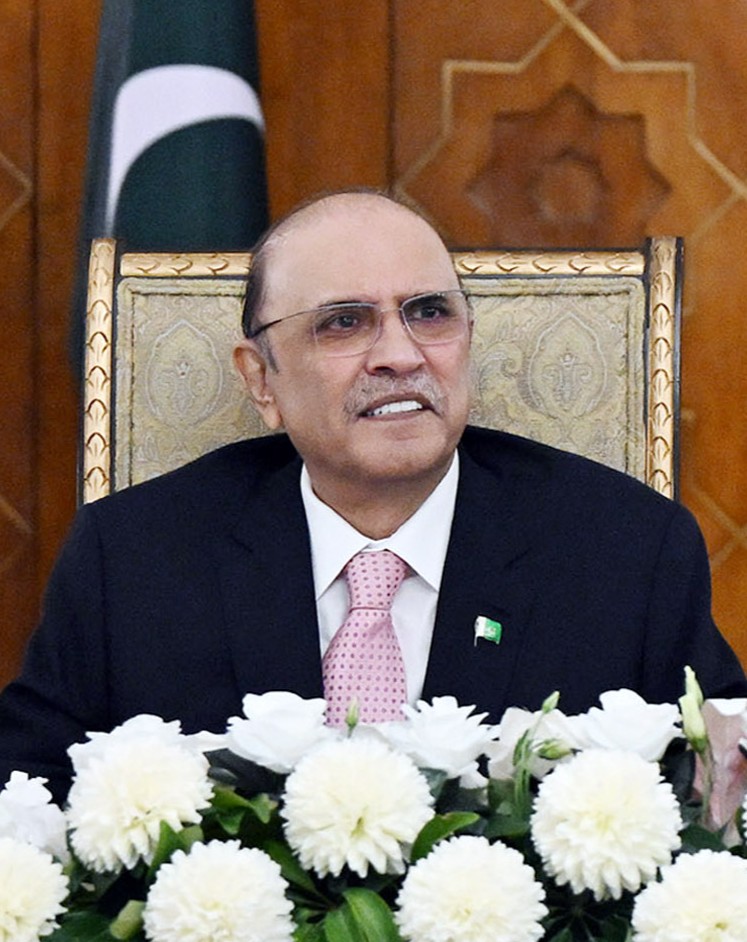
President Asif Ali Zardari assented to the Finance Bill 2026 on Friday, 26 June 2026, completing the legal process for the federal budget of fiscal year 2026-27, according to Dawn.
“President Asif Ali Zardari has assented to the Finance Bill, 2026, relating to the federal budget for fiscal year 2026-27,” the Presidency said in a post on its X account, as reported by Dawn. With the assent, the Finance Act is published in the official gazette and takes effect on 1 July 2026, the start of the new fiscal year.
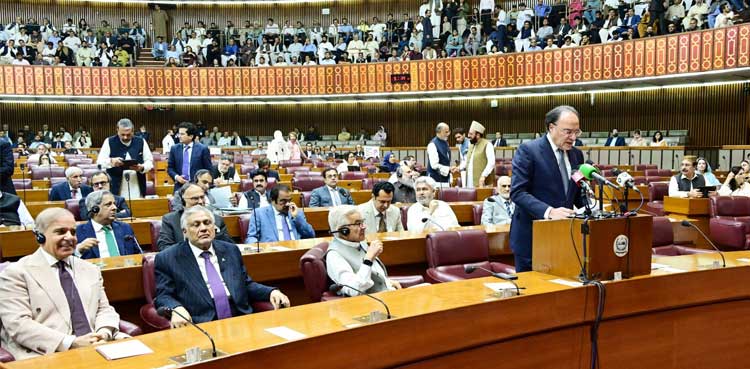
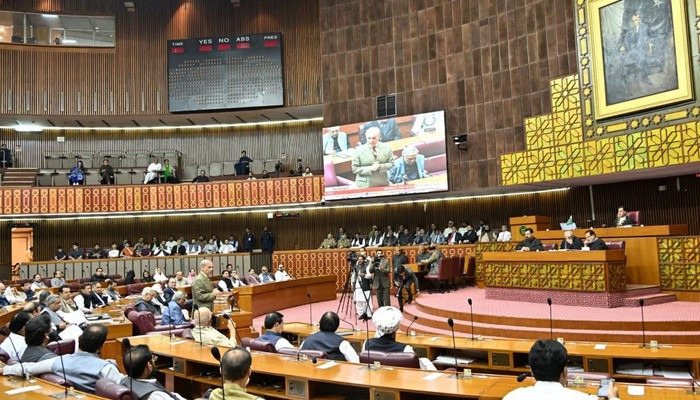
Finance Minister Muhammad Aurangzeb presented the budget in the National Assembly on 12 June with a total outlay of Rs18.771 trillion. The assembly passed the finance bill on 23 June after rejecting all seven amendments moved by opposition members, incorporating amendments recommended by the National Assembly Standing Committee on Finance, as covered in KhabarWire’s report on the passage. The budget for the coming year provides a 7 per cent increase in the salaries and pensions of government employees and a 10 per cent rise in the minimum monthly wage.
Dawn reported that the budget eases income tax slabs, rationalises the super tax, cuts excise duties and widens sales tax exemptions to cover magazines, shipping and refineries, while removing levies on deemed income and the so-called tampon tax. Excise duty on business-class international air travel was cut sharply, with the levy on tickets to North, Central and South America reduced to Rs50,000 from Rs350,000, and rates for the Middle East and Africa reduced to Rs25,000 from Rs105,000. A proposed 20 per cent federal excise duty on certain low-sugar aerated and hydration drinks was dropped.
Under the changes, no federal excise duty applies to imported electric cars and SUVs in completely built-up condition valued at up to $75,000, while electric vehicles valued between $75,000 and $110,000 face 30 per cent and those above $110,000 face 40 per cent. The DIRBS tax on imported mobile phones may be paid in instalments, and businesses with turnover up to Rs200 million may opt out of the fixed tax regime.
Why it matters
The president’s assent was the final constitutional step needed to bring the budget into force. With the Finance Act notified, the government’s tax and spending measures, including relief for salaried workers and businesses, begin to apply from 1 July. The budget sets the fiscal framework for a year in which the government has projected around 4 per cent economic growth, and its revenue targets depend heavily on tax administration reforms and on collections.
What is still uncertain
The budget’s revenue and growth projections remain subject to implementation and to external conditions, including global oil prices and the economic aftermath of the regional conflict. The cited reports did not indicate whether any further amendments were made between the National Assembly’s passage of the bill and the president’s assent, beyond the committee amendments already incorporated.
Sources & reporting notes
This is a summary of published reporting, not independent reporting. Details are as carried by the cited sources, which were reviewed on 2026-06-26.
- Dawn — "President Zardari gives assent to finance bill outlining Rs18.8tr budget for FY2026-27"26 June 2026 · The assent, the Presidency statement and the main budget provisions.
- Radio Pakistan — "President assents to Finance Bill 2026"26 June 2026 · Confirmation that President Zardari assented to the bill for the FY2026-27 federal budget.
.jpg)