What happened
The United States and Britain issued fresh travel warnings for Pakistan and Washington ordered the partial departure of consulate staff, The Nation reported on 7 March, citing deadly protests and escalating border clashes.
The US State Department’s partial departure order applied to non-emergency US government employees and their families at the consulates in Lahore and Karachi. The department cited safety concerns after demonstrations on 1 March left at least 24 people dead nationwide. In an updated Level 3 “Reconsider Travel” advisory, Washington told Americans in Pakistan to monitor local news, avoid large gatherings, carry identification and keep a low profile.
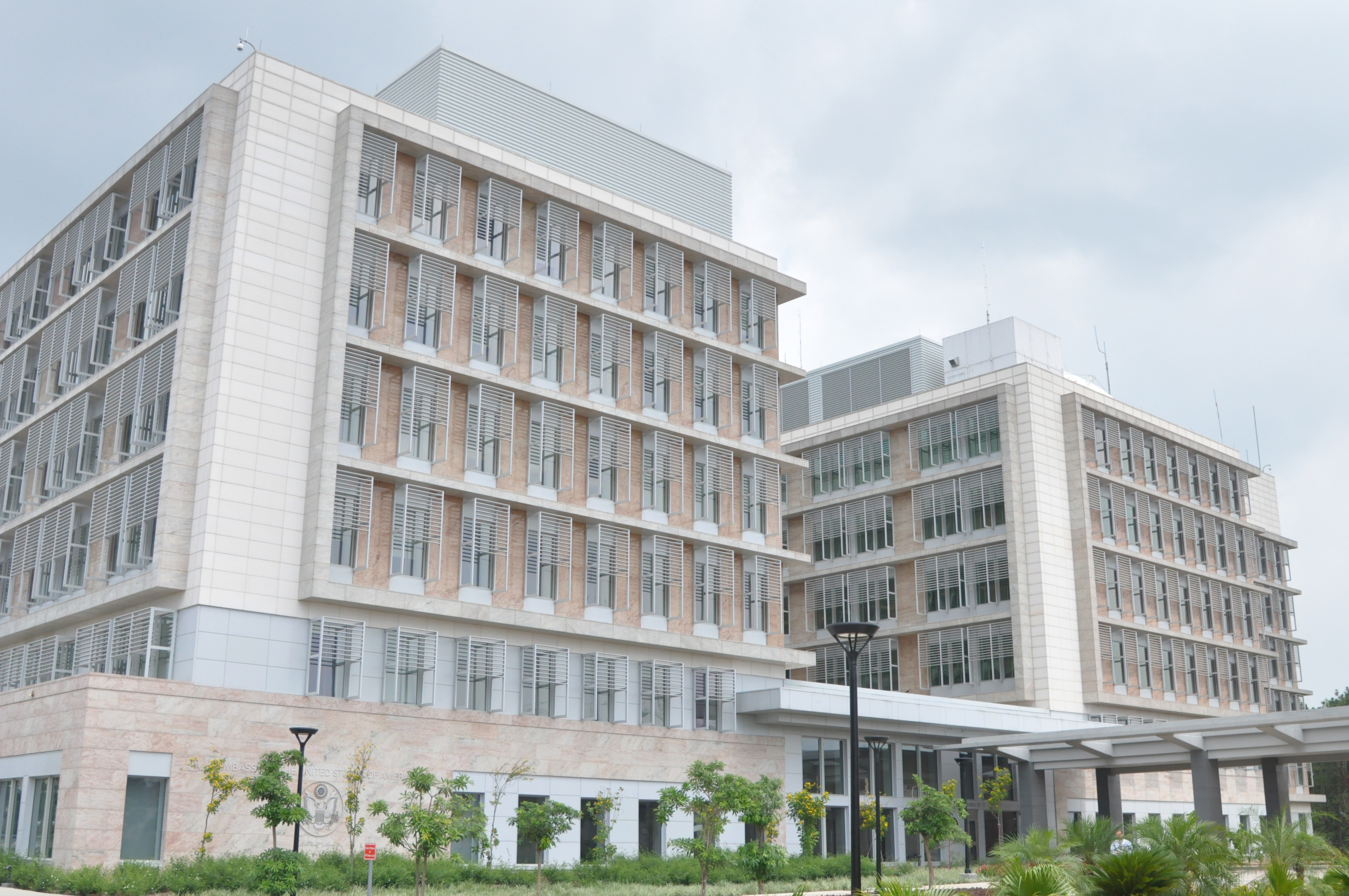
The advisory listed risks including armed conflict, terrorism, crime, kidnapping and violent protests, naming Balochistan, Khyber Pakhtunkhwa and areas near the Line of Control as particularly high-risk. The US embassy in Islamabad remained operational, but routine consular services in Lahore and Karachi were suspended.
Why it matters
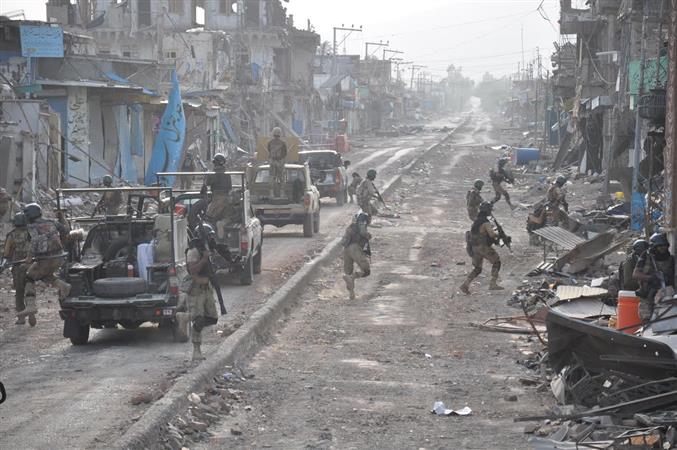
The warnings followed a week of upheaval across the region. Protests broke out after the killing of Iran’s Supreme Leader Ayatollah Ali Khamenei in joint US-Israeli airstrikes on 28 February, and Pakistan had declared “open war” on Afghanistan on 27 February after border clashes that reportedly left hundreds dead. The Nation reported that the 1 March demonstrations were the immediate trigger for the consular departures.
Britain’s guidance warned citizens to avoid large parts of Khyber Pakhtunkhwa and Balochistan, as well as areas near Pakistan’s borders with India and Afghanistan. The British High Commission cited rising tensions from regional conflicts, potential protests in major cities and disruptions to air travel. British nationals were urged to remain vigilant, avoid demonstrations and be prepared for limited consular assistance in emergencies.
What is still uncertain
The advisories did not set an end date or say how long the partial departure of consulate staff would remain in force, and the suspended consular services in Lahore and Karachi had no announced resumption date. The Nation’s report did not specify whether other countries had issued similar guidance, and the exact wording of the underlying US and UK notices was not quoted in full.
Sources & reporting notes
This is a synthesis of published material, not eyewitness reporting. Sources were reviewed on 2026-03-07.
- The Nation — US, UK issue travel advisory for Pakistan amid widening Iran conflictPublished 7 March 2026 · The US partial departure order for Lahore and Karachi, the Level 3 advisory, the high-risk areas, and Britain's guidance for KP and Balochistan.