What happened
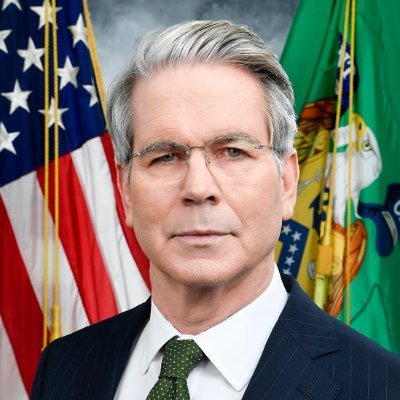
United States Treasury Secretary Scott Bessent said on Monday that Washington had issued new “sectoral sanctions” against Iran covering five sectors: digital assets, technology, gold, aviation and shipping.
Bessent said the measures “broaden secondary sanctions risk for anyone foolish enough to continue conducting business with this regime, and will accelerate the speed with which we pursue them”. He said the Treasury’s Office of Foreign Assets Control was sanctioning 60 entities, individuals and vessels that, according to him, “enable the Iranian regime to procure illicit nuclear and missile technology, conduct cyber operations and generate oil revenue”. American officials have described the planned measures as the toughest sanctions in history.
Why now
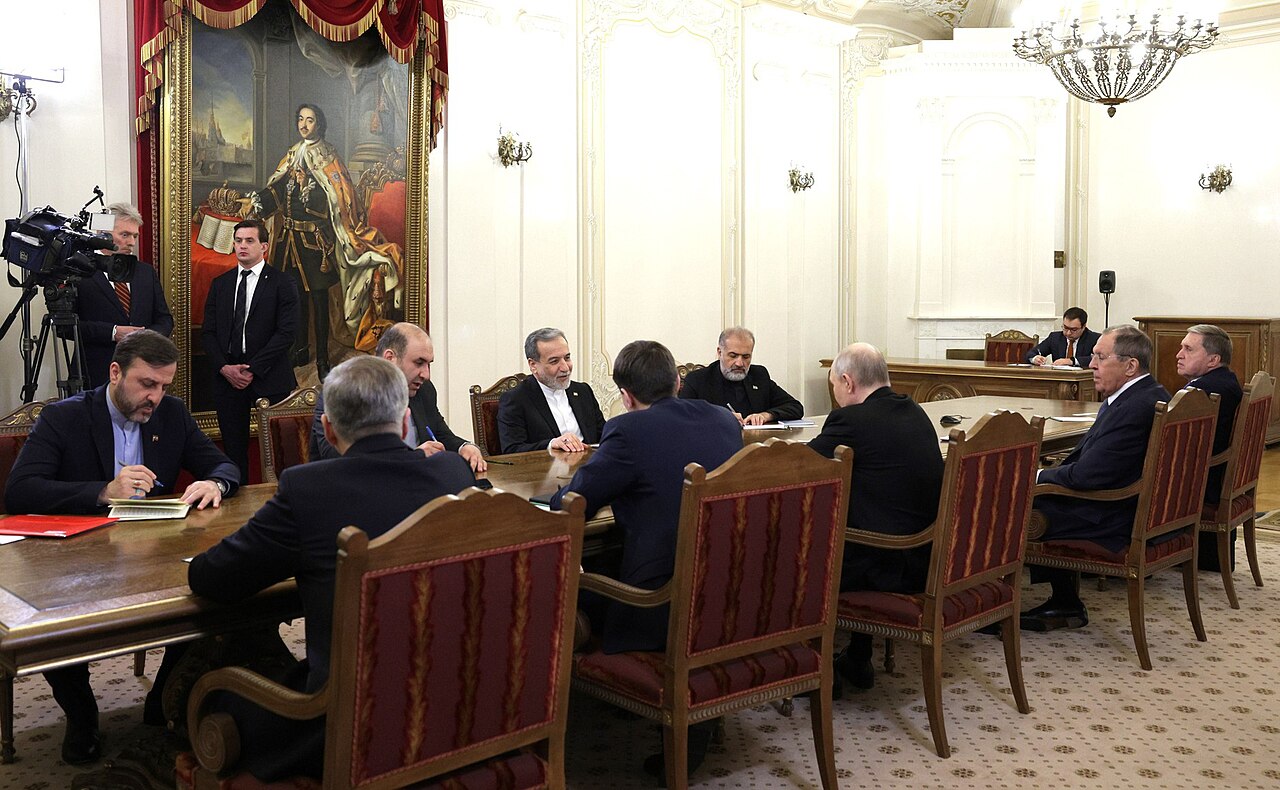
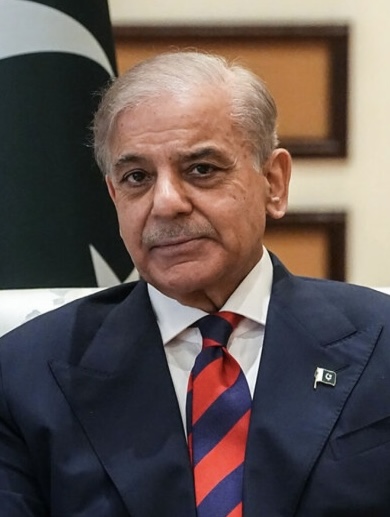
The announcement landed as Field Marshal Asim Munir, Pakistan’s Chief of Defence Forces, was in Tehran with Interior Minister Mohsin Naqvi for talks focused on preventing further escalation, reopening the Strait of Hormuz and ending the conflict. It also came after the 60-day negotiating window under the Islamabad Memorandum of Understanding, signed on 17 June, expired without a final agreement. Washington and Tehran have publicly denied any agreement to extend that deadline.
Iranian Foreign Minister Abbas Araghchi dismissed the threat of the new sanctions as a sign of desperation, saying in a video posted on Telegram that previous American measures had failed and that the latest would fail as well. He said Washington must speak to Iran respectfully to find “a solution based on justice and honour”.
Why it matters
The sanctions expand the reach of US restrictions beyond Iran itself by raising the cost for foreign banks, shippers and traders that continue to deal with the Iranian economy. For Pakistan, which has kept open trade and energy links with its neighbour while mediating between Washington and Tehran, that secondary risk is a direct consideration. The measures also bear on the Strait of Hormuz, a route central to global energy supplies where oil shipments have been disrupted during the war.
What remains uncertain
The practical enforcement of the measures, how Iran and its trading partners respond, and whether the pressure changes Tehran’s willingness to return to talks all remain open. The public statements left unclear how the new sanctions would interact with the stalled mediation effort that Pakistan is trying to keep alive.
Sources & reporting notes
This is a summary of published reporting, not independent reporting. Details and quoted remarks are as carried by the cited source, which was reviewed on 24 August 2026.
- Dawn — "60 entities, individuals and vessels linked to Iran sanctioned: Bessent"24 August 2026 · The sectors targeted, the number of designations, and Bessent's quoted remarks.
- Dawn — "CDF Munir in fresh push for diplomatic end to US-Iran war"24 August 2026 · The timing of the announcement, the Tehran visit, and Araghchi's response.
.jpg)