Reporting snapshot · 2 September 2026. This analysis synthesises official summit communiqués, ministerial releases, and independent diplomatic reporting from the 26th SCO Council of Heads of State meeting in Bishkek. Sourcing is limited to publicly released documents and official statements, as full bilateral negotiation transcripts remain confidential.
What happened
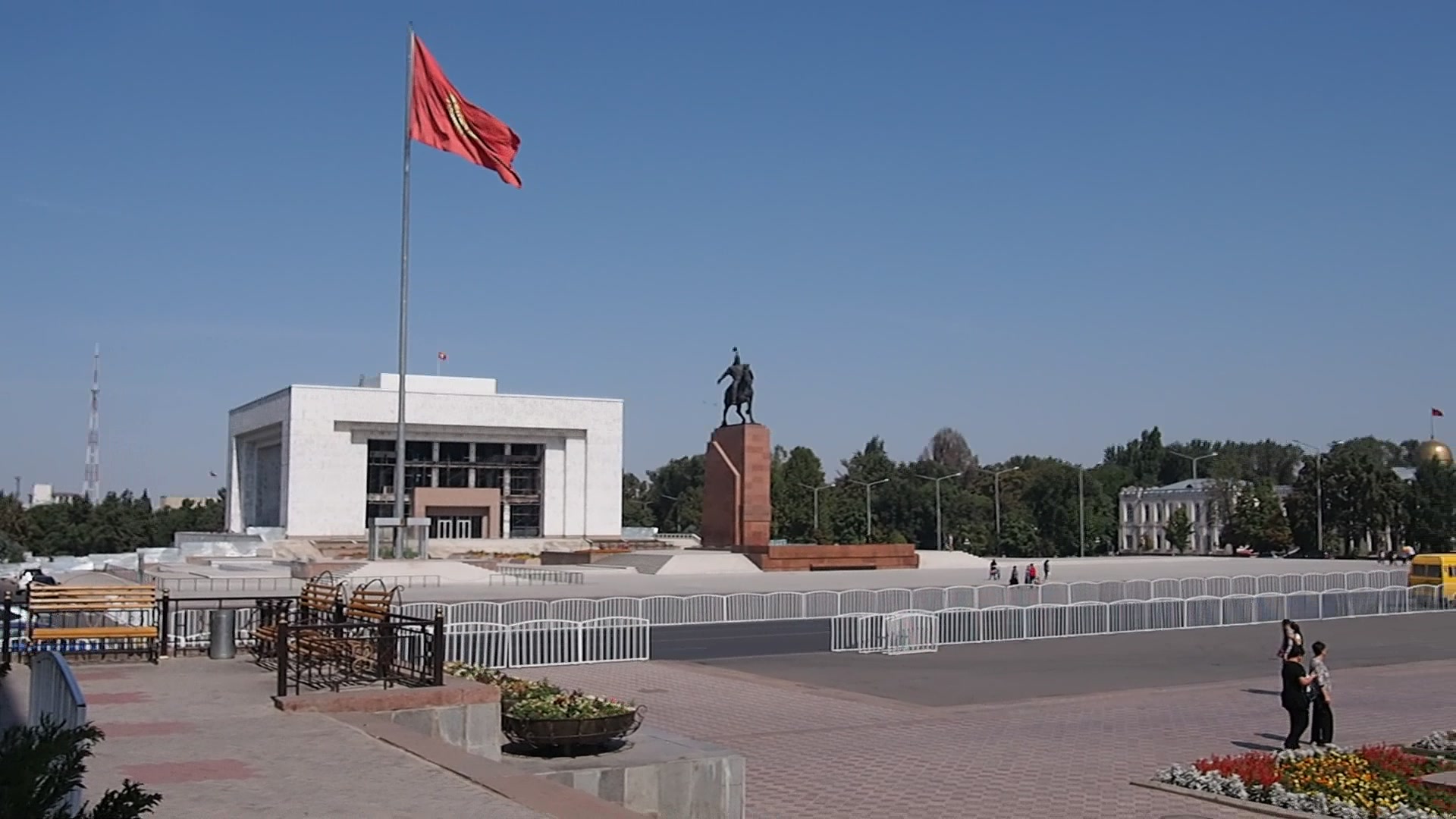
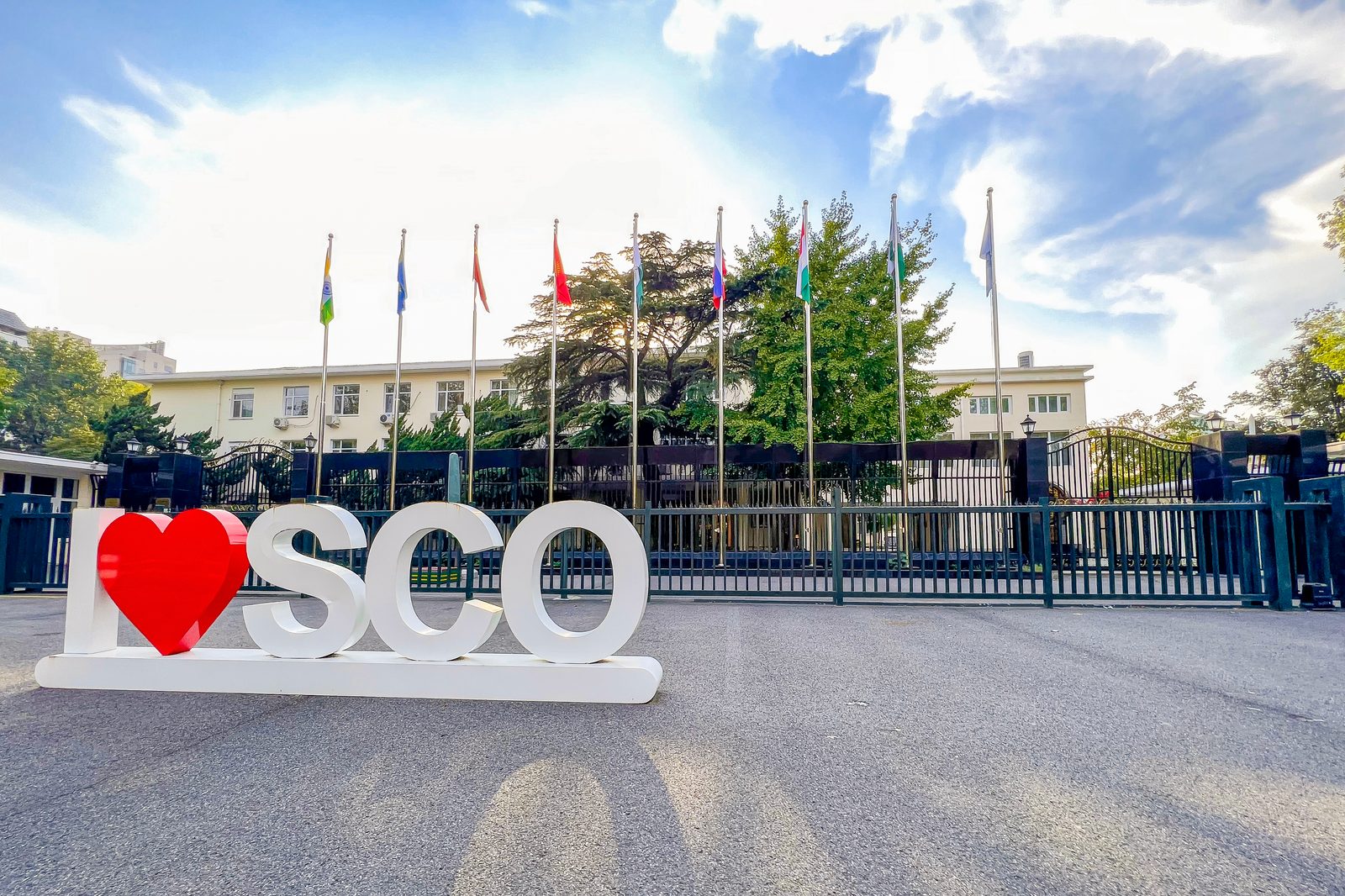
On 1 September 2026, the heads of state and government of the Shanghai Cooperation Organisation (SCO) concluded their 26th summit at the newly built Yrys-Ordo Congress Hall in Bishkek, Kyrgyzstan. The meeting, presided over by Kyrgyz President Sadyr Japarov, culminated in the unanimous adoption of the Bishkek Declaration and a package of 28 supporting agreements and resolutions. The gathering coincided with the silver jubilee of the organisation, founded in Shanghai in June 2001 by six founding nations and now comprising ten full member states across Eurasia.
The summit marked the formal handover of the rotating SCO chairmanship from Kyrgyzstan to the Islamic Republic of Pakistan for the 2026–2027 cycle, operating under the designated theme of “Turning Vision into Action: Connectivity, Innovation and Shared Prosperity.” In their joint declaration, leaders reiterated their collective commitment to the principles of the United Nations Charter, non-interference in domestic affairs, and the establishment of an inclusive, multipolar international order. The leaders also formally approved the operational statutes for two major institutional bodies: the Universal Centre for Countering Security Challenges and Threats, headquartered in Tashkent, and a dedicated SCO Anti-Drug Centre designed to coordinate regional narcotics interdiction.
Alongside broad affirmations of diplomatic unity, the declaration explicitly condemned recent unilateral military strikes against Iranian territory, criticised protectionist trade barriers and extraterritorial sanctions, and designated the city of Lahore as the SCO Tourism and Cultural Capital for the 2026–2027 period.
Institutional expansion and the 25-year milestone
When China, Russia, Kazakhstan, Kyrgyzstan, Tajikistan, and Uzbekistan established the SCO a quarter-century ago, the group served primarily as a regional confidence-building mechanism to settle post-Soviet border disputes and coordinate counter-insurgency operations against what member states termed the “three evils”: terrorism, separatism, and religious extremism.
Over the ensuing decades, successive rounds of expansion transformed the grouping into one of the world’s geographically largest multilateral bodies. The accession of India and Pakistan in 2017, followed by Iran in 2023 and Belarus in 2024, extended the organisation’s footprint from Eastern Europe across the Himalayas to the Indian Ocean. Today, SCO member states encompass over 40 percent of the global population and more than a quarter of the world’s gross domestic product.
The 28 outcome documents finalised in Bishkek reflect an ambitious bureaucratic agenda. Beyond security integration, the leaders endorsed roadmaps for digital trade corridors, artificial intelligence governance standards, joint green energy transition targets, and formal partnership protocols between the SCO Secretariat and the African Union Commission. Secretary-General Nurlan Yermekbayev highlighted the transformation of the Regional Anti-Terrorist Structure (RATS) into a broader “Universal Centre” as an essential adaptation to cross-domain cyber threats, unmanned aerial trafficking, and illicit cross-border financial networks.
Deepening fault lines beneath the consensus
Despite the carefully choreographed show of consensus in the main plenary, the Bishkek summit underscored persistent internal contradictions that complicate the organisation’s collective action. The SCO brings together major nuclear-armed powers with sharply diverging strategic priorities, differing relationships with Western institutions, and unresolved territorial disputes.
A primary tension remains the relationship between India and the Sino-Russian axis. While Beijing and Moscow routinely seek to position the SCO as a counterweight to Western-dominated multilateral architecture, New Delhi has consistently maintained a policy of strategic autonomy. Indian delegates repeatedly emphasised that regional cooperation must respect the sovereignty and territorial integrity of all member nations—a clear reference to Chinese infrastructure initiatives running through contested territories—while cautioning against turning the forum into an adversarial anti-Western coalition. Ahead of the summit, Pakistan’s Foreign Office said it was pushing diplomatic channels to ease US-Iran tensions and that India would be invited to the SCO summit Islamabad hosts next year.
Similarly, persistent friction between India and Pakistan over cross-border militancy surfaced during debates surrounding counter-terrorism language. While the Bishkek Declaration endorsed stronger cooperation against extremism and warned against “double standards” in combating terrorist groups, negotiators spent extended sessions reconciling differing national definitions and priority lists of designated entities.
Economic divergence also limited progress on financial integration. Proposals advanced by Russia, China, and Iran to establish an independent SCO development bank and a shared digital currency clearing system faced reservations from Central Asian capitals wary of incurring secondary Western financial sanctions. While member states agreed in principle to increase the share of national currencies in bilateral settlements, they deferred binding commitments on creating supranational financial infrastructure.
The regional connectivity puzzle
Central Asian states used the Bishkek platform to assert their own strategic priorities, focusing heavily on trade transport corridors and environmental vulnerability. For landlocked nations such as Kyrgyzstan, Uzbekistan, and Tajikistan, the SCO represents a vital conduit to global maritime shipping routes.
Discussions in Bishkek placed significant emphasis on the development of trans-regional transit routes, including the China-Kyrgyzstan-Uzbekistan (CKU) railway project and the International North-South Transport Corridor (INSTC). Kyrgyz officials highlighted the newly opened logistics facilities on their southern borders, urging fellow member states to simplify customs procedures and harmonize cross-border tariffs.
However, the physical and regulatory bottlenecks across the Eurasian landmass remain substantial. Differing rail gauges, cumbersome border inspections, disparate digital documentation standards, and capital financing constraints continue to slow implementation. Furthermore, the fragile security landscape in neighbouring Afghanistan—which holds observer status within the SCO but was excluded from official representation—remains an enduring concern for the stability of southern transport routes.
What is still uncertain
Several structural questions will shape whether the Bishkek Declaration translates into tangible regional shifts:
- Institutional capacity: It remains uncertain how quickly the new Universal Centre in Tashkent will become operational, and whether member states will share sensitive operational intelligence rather than symbolic diplomatic communiqués.
- Economic implementation: While the declaration calls for de-dollarisation in regional trade, the absence of an agreed settlement architecture means most non-sanctioned bilateral commerce will continue to rely on existing global payment channels.
- Pakistan’s chairmanship agenda: As Islamabad assumes the rotating chairmanship through August 2027, its ability to bridge persistent bilateral impasses with New Delhi while advancing transport connectivity initiatives through the China-Pakistan Economic Corridor (CPEC) will test the limits of consensus-driven SCO decision-making.
- Afghan security dynamics: Despite shared concerns over extremist spillover from Afghanistan, member states remain divided on diplomatic recognition and financial engagement with the authorities in Kabul.

.jpg)