What happened
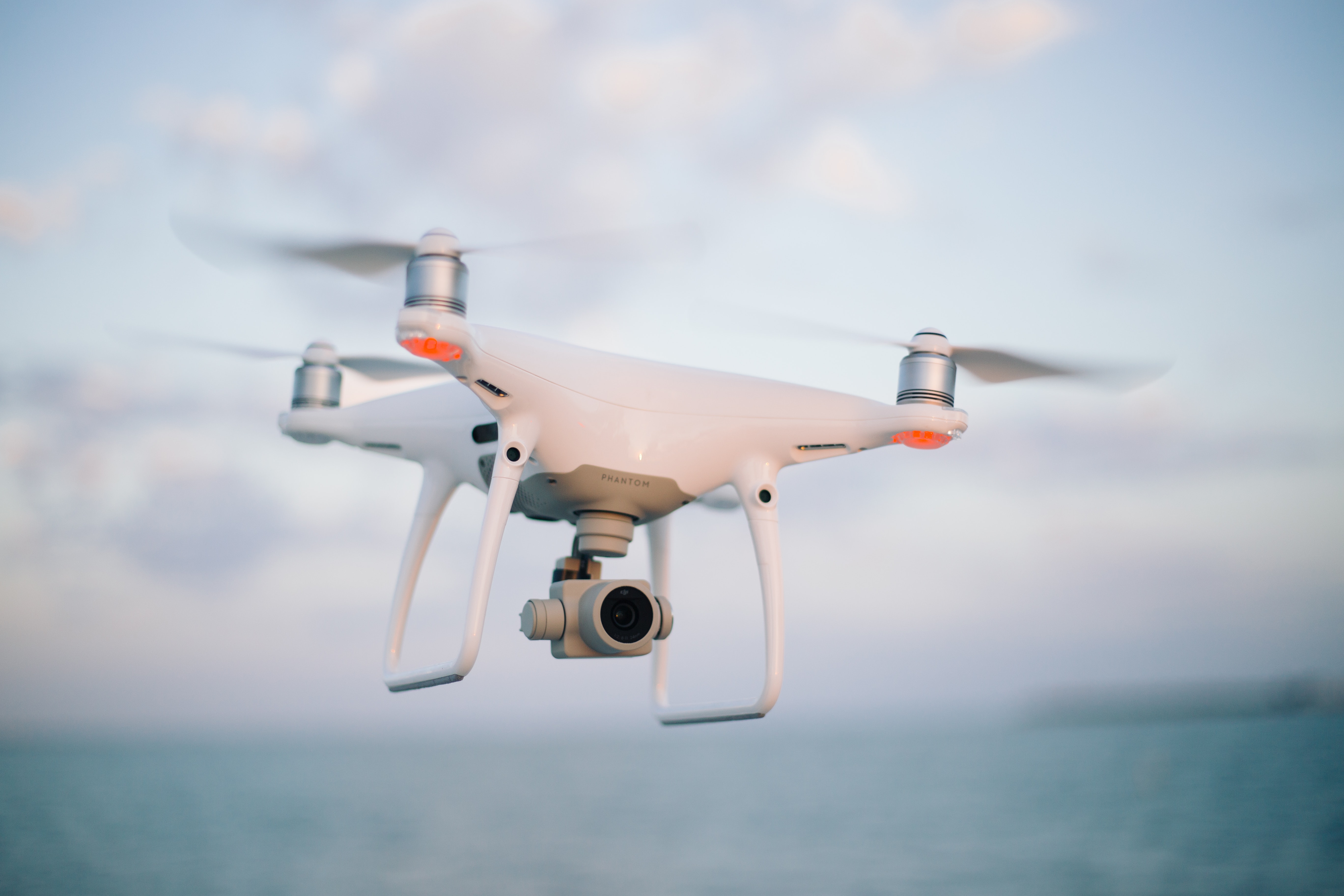
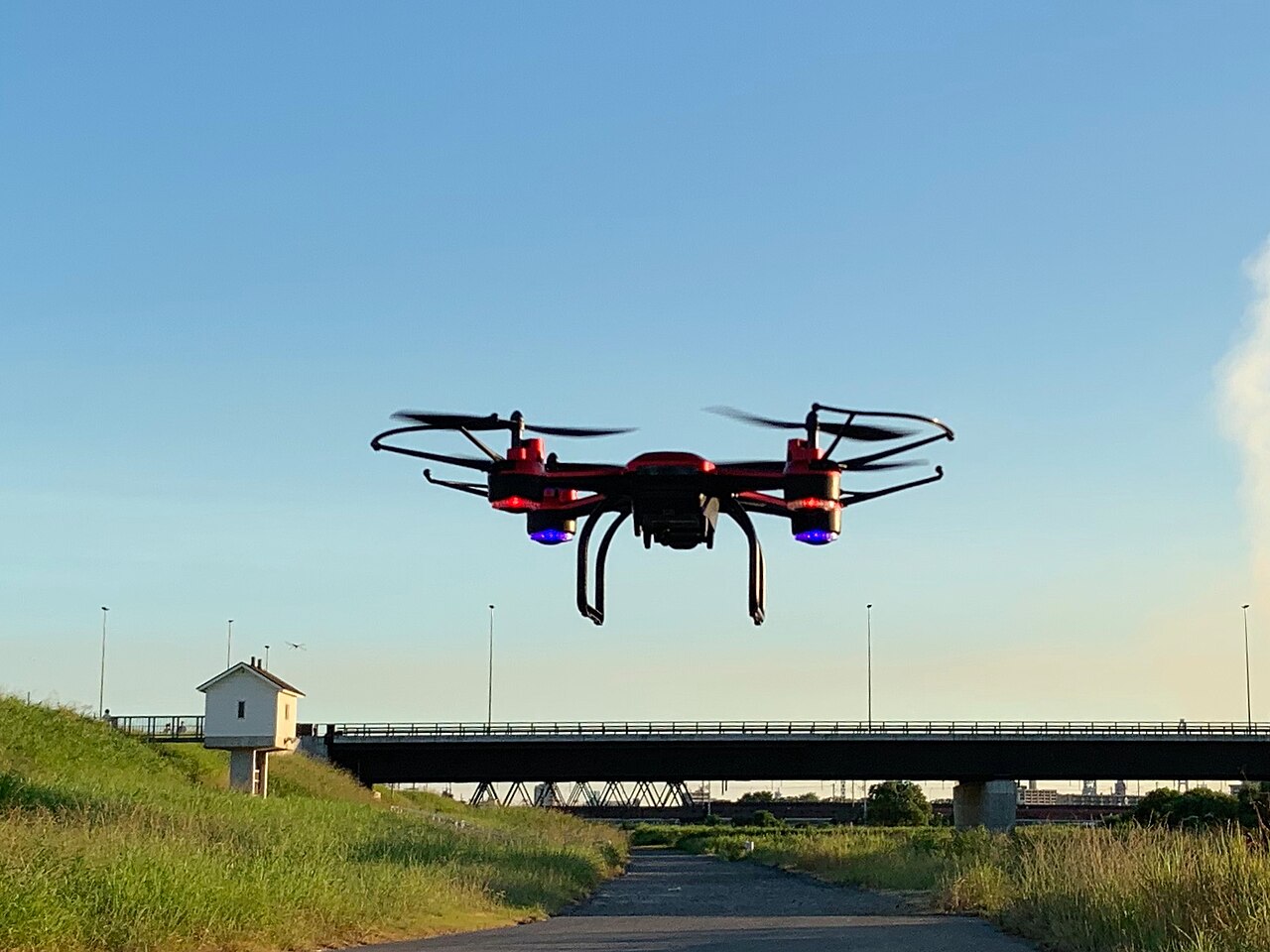
The Punjab government has imposed an “immediate and complete” ban on flying drones outdoors across the province for 30 days, citing risks to public safety and security.
The Punjab Home Department issued the order on Wednesday 25 February 2026 under Section 144(6) of the Code of Criminal Procedure, 1898, according to the notification reported by Dawn and The Express Tribune. The restriction is to remain in force “for a period of 30 days from the date of issuance or until withdrawn earlier,” whichever comes first.
Under the order, the use of drones or drone-mounted cameras in outdoor public spaces is prohibited, and police have been directed to act against violators. The notification carves out two exceptions: small drones used for indoor coverage, such as inside halls or marquees, and drones operated by intelligence and law-enforcement agencies. Organisers remain responsible for the safe use of small drones in confined indoor venues.
The Home Department said “credible reports and prevailing circumstances” indicated that the growing and unregulated use of drones within Punjab posed potential risks to public safety, to the security of public and private property, and to the maintenance of public order. It added that drone activity could obstruct official duties, create law-and-order concerns and disturb the province’s “peaceful atmosphere”, calling the ban essential to protect people and installations.
Why it matters
The ban lands amid heightened security across Pakistan, and it follows a day-earlier decision by Punjab Chief Minister Maryam Nawaz to approve the launch of an anti-drone unit to counter potential terrorist attacks. She also directed the installation of the latest digital scanners at the province’s entry and exit points.
Drones have become a common tool for Pakistan’s news channels and production houses, which use aerial footage for political rallies, traffic monitoring, disaster coverage and documentaries. The notification as reported does not spell out an exemption for journalists or media organisations, leaving the industry to wait for clarification on whether special permissions or a licensing framework will follow. Section 144 orders of this kind are typically temporary and can be revised or withdrawn depending on the security situation.
What is still uncertain
It is not yet clear whether television channels and production houses will be granted exemptions, or how the ban will be enforced in practice across districts. The Home Department’s notification did not specify a penalty scale, beyond directing police to register cases against violators. It is also not established how much of the decision is a response to the current security environment with Afghanistan, versus a longer-term effort to regulate civilian drone use.
Sources & reporting notes
This is a synthesis of published material, not eyewitness reporting. Sources were reviewed on 26 February 2026.
- Dawn — "'Public safety risk': 30-day ban imposed on flying drones"Published 26 Feb 2026 · The Section 144(6) notification, its 30-day duration, the indoor and law-enforcement exemptions, and the Home Department's stated public-safety and security grounds.
- The Express Tribune — "Punjab imposes 30-day ban on drones"Published 26 Feb 2026 · Confirmation of the ban, the indoor-event carve-out and the instruction that drones used by intelligence and law-enforcement agencies are exempt.
- Dawn — "Punjab govt imposes 30-day ban on flying drones outdoors over risk to public safety"Published 25 Feb 2026 · The preceding day's approval of an anti-drone unit by Chief Minister Maryam Nawaz and the directive to install digital scanners at provincial entry and exit points.