Reporting snapshot · 25 September 2026. Punjab Chief Minister Maryam Nawaz Sharif approved a major overhaul of the provincial school curriculum at a meeting in Lahore on Thursday 24 September. The decisions cover an artificial intelligence curriculum for grades 1 to 12, a 25 per cent reduction in textbook volume, QR codes on textbooks linking to video lessons, teacher training and mental-health support, and legislation against corporal punishment. This is a dated snapshot built on the CM office's statement and PECTAA officials' accounts as reported by Dawn and The Express Tribune; the detailed content of the new AI curriculum and its final rollout dates remain to be finalised.
What happened
Punjab Chief Minister Maryam Nawaz Sharif approved a new curriculum for government schools at a meeting in Lahore on Thursday 24 September, with officials presenting changes that include artificial intelligence education from Class 1 to 12, a 25 per cent reduction in textbook volume and QR codes on every textbook that link to video lessons, The Express Tribune reported.
Dawn reported that books under the revised curriculum for the montessori level through grade 5 would be available for the new academic session beginning in April 2027. The meeting reviewed curricula for English, mathematics, social studies, Urdu and early childhood care and education, and was briefed by the Punjab Education Curriculum, Training and Assessment Authority (PECTAA), the provincial body responsible for curriculum, teacher training and assessment.
PECTAA Chief Executive Officer Musa Ali Bukhari told Dawn that the authority had developed a new curriculum for the early-childhood level to grade 5 and had sent it to Cambridge International Education (CIE) for assessment and comparison with international curricula. Bukhari said CIE would provide the final content of the curriculum in December 2026 and PECTAA would begin printing textbooks in January, so that the books could be available for the April 2027 academic session. The changes also aim to reduce the cost of textbooks by cutting the number of pages, he added.
What the new curriculum contains
The most visible change is the reduction in textbook volume. Officials said the volume of textbooks would fall by 25 per cent, with the stated objective of discouraging rote memorisation and shifting classroom teaching towards concept-based, technology-assisted learning. The Express Tribune noted that a smaller textbook would not automatically mean a lighter academic workload if examinations, homework and classroom assessments continued to demand the same volume of preparation, leaving implementation — whether the reduction is reflected in teaching and assessment practice or only in the physical size of books — as the key question.
Each revised textbook is planned to carry a QR code that students can scan to access video lessons on the relevant topic. Officials said this could give children an additional learning resource outside conventional classroom teaching, particularly where teachers have limited time to explain difficult concepts. The effectiveness of the system would depend on access to smartphones or other devices, internet connectivity and the availability of quality digital material in schools and homes.
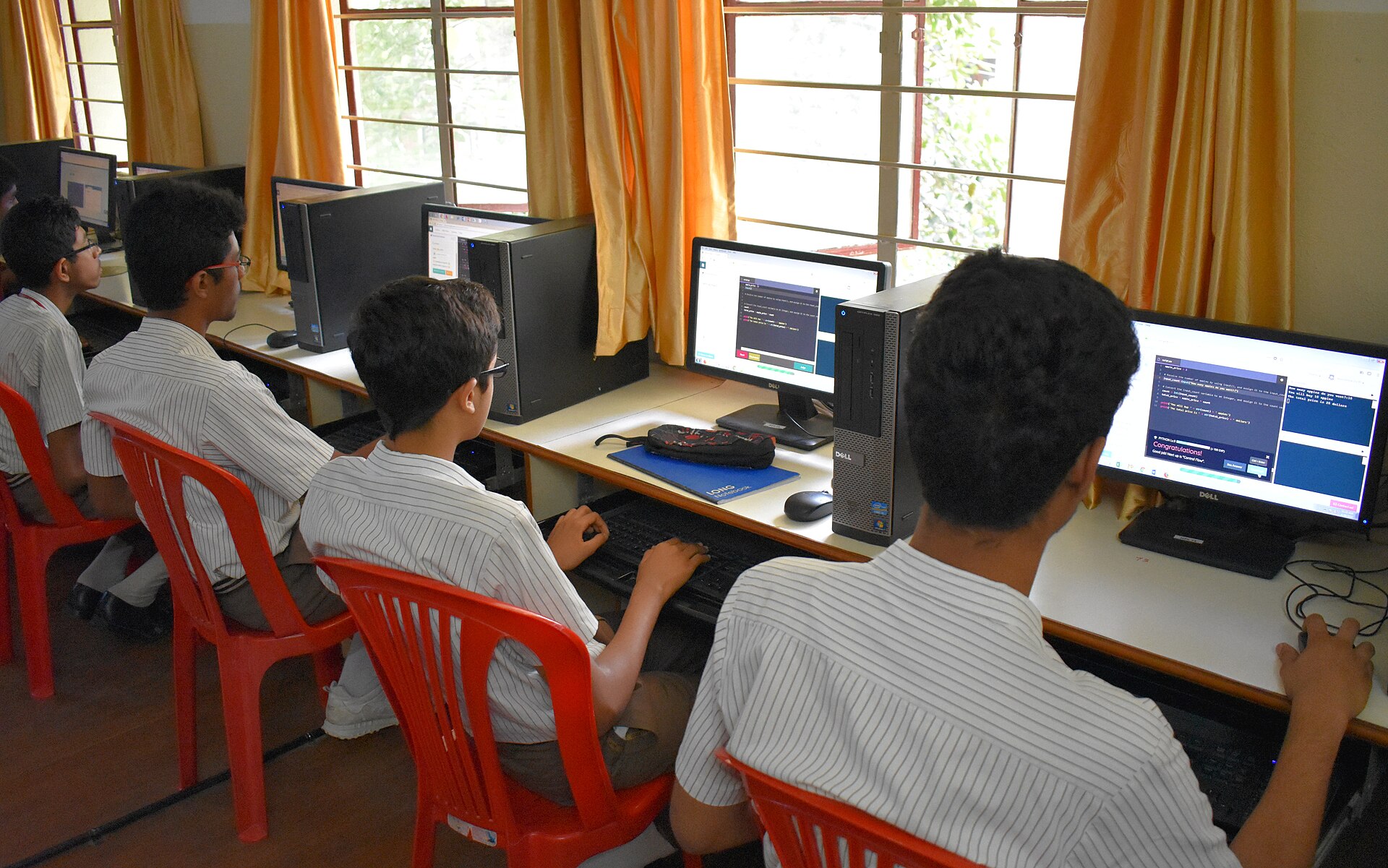
The second major component is the introduction of AI education. The chief minister directed officials to finalise an AI curriculum for grades 1 to 12 and stressed that computer laboratories should be developed alongside the new subject. The proposal extends technology education to the earliest years of schooling rather than restricting advanced digital learning to secondary or higher education. Officials would still need to determine how AI content is differentiated by age, how teachers are trained and what infrastructure is required before the programme can operate across Punjab’s government schools.
The decision follows the development of a comprehensive AI curriculum by PECTAA within a 60-day deadline set by the chief minister earlier in 2026. Pakistan Today reported in April that the authority had completed a framework covering basic computing concepts and advancing to areas such as data science, machine learning, robotics and ethical AI, to be introduced in phases starting with selected schools.
Teacher training, mental health and discipline
The reform package also moves beyond academic content. According to a statement issued by the CM’s office, the meeting agreed that Saturdays would be dedicated to teachers’ training across Punjab, with authors of the new textbooks conducting training sessions for teachers. Dawn reported that Cambridge officials involved in developing the curriculum content would also train teachers to teach the new syllabus.
For the first time in Punjab, the government decided to introduce mental-health training for teachers. A proposal to appoint visiting psychologists in every district was considered, and the chief minister directed authorities to develop online counselling facilities for students. The effectiveness of the model would require sufficient professional staff, clear referral mechanisms and confidentiality safeguards.
The meeting also agreed in principle on legislation aimed at eliminating corporal punishment in schools, with a proposal to establish “discipline corners” in classrooms as an alternative to physical punishment. The chief minister said physical violence against children could leave lasting effects on their lives and called for constructive disciplinary measures.
Officials said progress had already been made in English-language training, with 35,000 teachers in 31 tehsils across 12 districts having completed the programme. The government has set a deadline to complete printing of the new textbooks before March next year and has been pressing education authorities to finish curriculum development, review, production and distribution within a tight schedule.
Why it matters
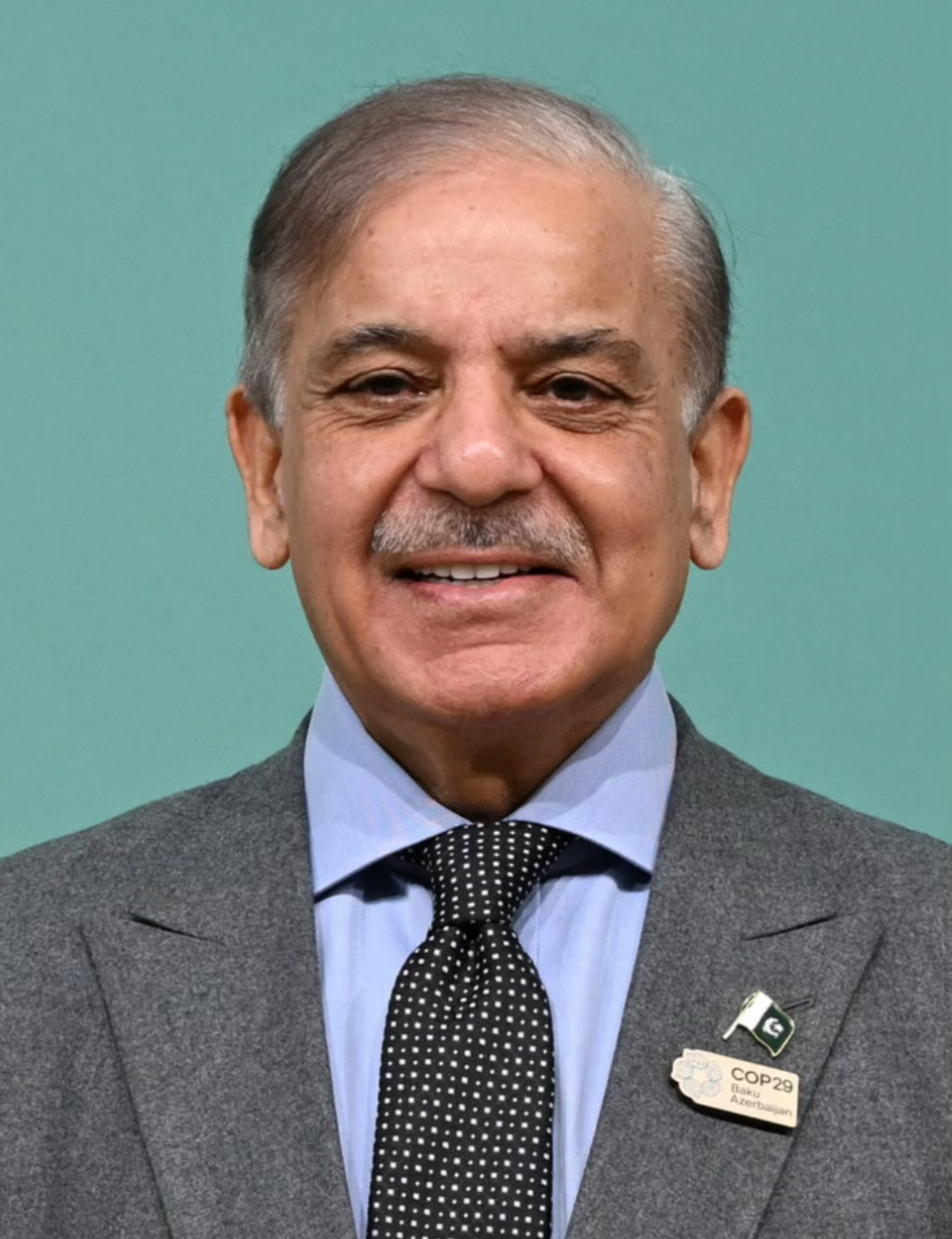
The new curriculum is a significant step in Punjab’s stated push towards technology-assisted schooling and digital literacy, and it follows a wider national emphasis on artificial intelligence. In February, Prime Minister Shehbaz Sharif announced a $1 billion AI investment target by 2030 that included an AI curriculum in schools, part of a national effort KhabarWire covered at the time. Punjab’s decision goes further on schooling specifically by promising AI education from the first year of primary school.
The scale of the province’s public school system means the reforms will be judged on execution rather than announcement. The government says success depends on timely textbook printing, teacher preparation, functioning laboratories, digital access, quality control of QR-linked lessons, counselling capacity and consistent enforcement of the proposed ban on corporal punishment.
What is still uncertain
Several details remain to be finalised. The final content of the montessori-to-grade-5 curriculum depends on Cambridge International Education’s assessment, expected in December 2026. The AI curriculum for grades 1 to 12 has been directed but its age-differentiated content, teacher-training modules and infrastructure requirements have not been published. The proposed legislation against corporal punishment is agreed in principle but has not been introduced. The government’s stated timeline — printing completed before March for an April 2027 academic session — is tight, and past curriculum overhauls in Punjab have faced implementation delays.
Sources & reporting notes
This is a synthesis of published material, not eyewitness reporting. Sources were reviewed on 25 September 2026. The account of the meeting rests on the statement issued by the CM's office and on PECTAA Chief Executive Officer Musa Ali Bukhari's comments, as reported by Dawn and The Express Tribune; the background on Punjab's AI curriculum draws on Pakistan Today's earlier reporting.
- Dawn — Lighter books with QR codes for montessori to grade-5 students in Punjab from April 202724 September 2026 · The CM's approval, PECTAA CEO Musa Ali Bukhari's account of the CIE assessment, the December 2026 and January 2027 milestones, the 25 per cent volume reduction, QR-coded video lessons, the AI curriculum directive and the CM office statement on teacher training, mental health and corporal punishment.
- The Express Tribune — Punjab approves new curriculum, promises lighter schoolbags and AI education from Class I24-25 September 2026 · Independent confirmation of the curriculum approval, the subjects reviewed, the 25 per cent textbook cut, QR-coded video lessons, AI education from Class 1 to 12, the teacher-training day, mental-health measures, the corporal-punishment legislation and the English-language training figures.
- Pakistan Today — Punjab finalises school AI curriculum within 60-day deadline6 April 2026 · Background on PECTAA's completed AI curriculum framework covering computing, data science, machine learning, robotics and ethical AI, and its phased introduction plan.