Reporting snapshot · 25 August 2026. The shortfall and cost estimates are the farmers' organisation's own projections, not official government figures.
What happened
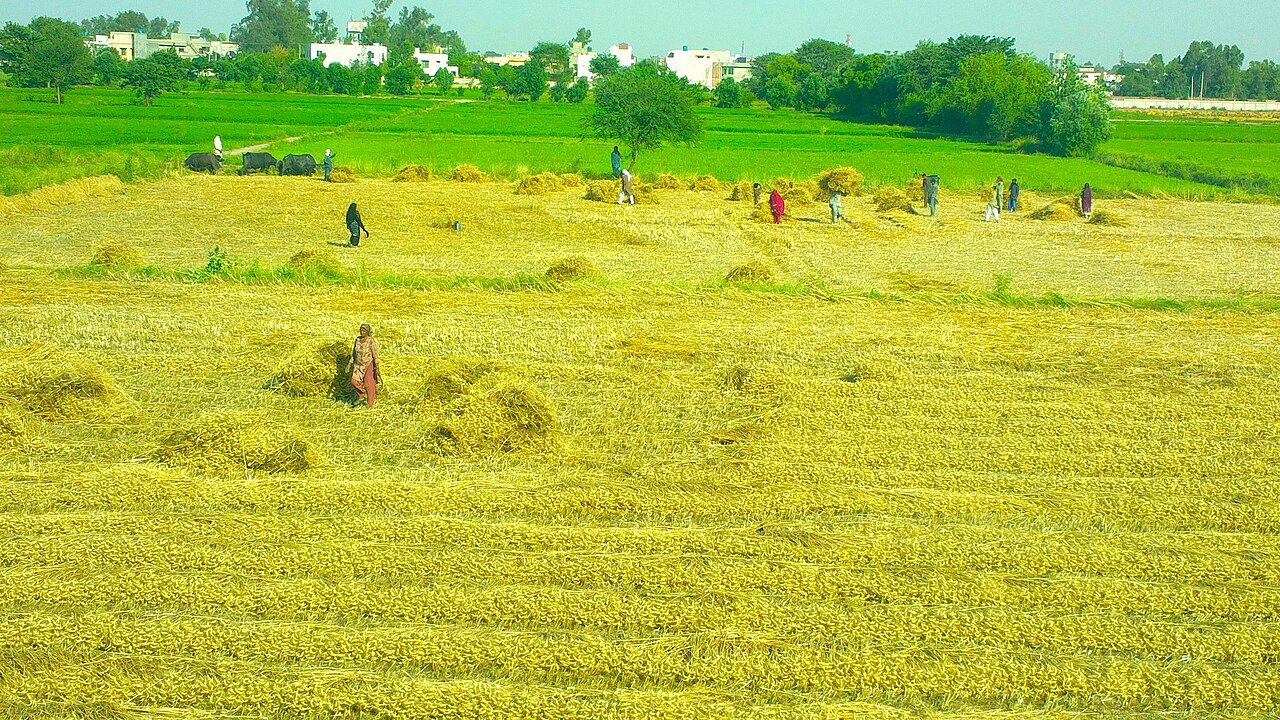
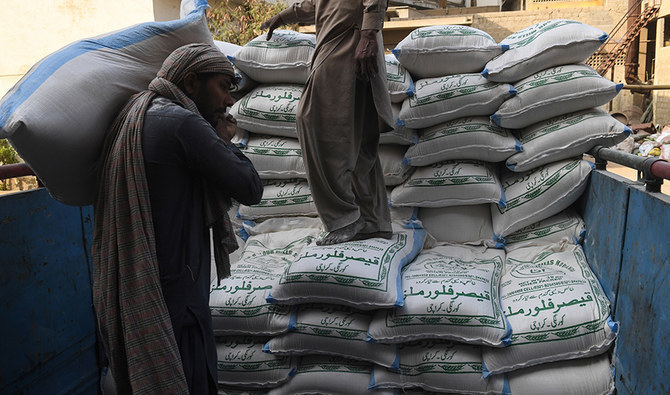
Pakistan Kissan Ittehad (PKI) warned that the country faces a potential three-million-tonne wheat shortfall that could force the government to spend roughly $1.2 billion in foreign exchange on imports unless urgent policy interventions are made before the coming Rabi season. PKI President Khalid Mahmood Khokhar issued the warning at a press conference reported by Dawn on 25 August 2026.
Khokhar said domestic wheat production had been undermined by ineffective policies over the past three years, resulting in a loss of Rs2,200 billion for farmers. He said the crisis had been compounded by recent global events, including the Gulf conflict that began on 28 February, disruptions in the Strait of Hormuz and the Russia-Ukraine war, all of which had driven up diesel prices, tube-well electricity tariffs and international shipping lead times.
To prevent a drain on foreign reserves and protect food security, PKI urged the government to restore the wheat support price to Rs4,702 per 40 kilograms. The organisation said farmers currently incur a net cost of Rs3,761 to produce one maund of wheat, and that the suggested Rs4,702 figure includes a standard 25 per cent profit margin intended to encourage farmers to bring fallow land back into cultivation and target a 31-million-tonne yield.
Why it matters
Wheat is Pakistan’s staple crop and a politically sensitive price. A large shortfall would add to the import bill at a time when the government is managing external financing needs and a fragile external position. PKI said the prime minister and the minister for national food security should officially announce the procurement policy and the price restoration by the end of August to give growers adequate planning time before Rabi planting.
What remains uncertain
The projections are PKI’s estimates rather than official production figures, and the government had not publicly committed to the support price or to a procurement policy at the time of the report. PKI also urged that any prospective fertiliser subsidy be nutrient-based and apply to all phosphatic fertilisers rather than only DAP, citing a March 2022 decision by the Economic Coordination Committee that covered all phosphatic grades. It said about 80 per cent of farmers rely on alternatives such as Nitrophos, TSP, SSP, MAP and NPK blends, and warned that limiting relief to DAP would invite speculation and unnecessary import spending.
Sources & reporting notes
This is a summary of published reporting, not independent reporting. Details and quoted figures are as carried by the cited source, which was reviewed on 25 August 2026.
- Dawn — "Restore wheat support price at Rs4,702, says Pakistan Kissan Ittehad"25 August 2026 · The shortfall and import-cost warning, the Rs4,702 demand and the fertiliser-subsidy argument.