Reporting snapshot · 10 October 2026. The IAEA published only a summary of the mission's conclusions, and the detailed recommendations were not made public. The review is an advisory peer review; it does not certify compliance and creates no binding obligations.
What happened
An International Atomic Energy Agency (IAEA) team concluded the agency’s first International Physical Protection Advisory Service (IPPAS) mission to Pakistan on Friday, 9 October 2026, after a 12-day review that began on 28 September. Dawn reported that the team found Pakistan had established a robust nuclear security regime for the physical protection of its nuclear materials and facilities, and that the framework was appropriately implemented at the specific facility the experts visited. The Express Tribune and Radio Pakistan carried the same assessment.
The mission was carried out at the Pakistani government’s request and hosted by the Pakistan Nuclear Regulatory Authority (PNRA), in coordination with the Pakistan Atomic Energy Commission and other national organisations. Dawn said the finding came in an IAEA press release issued on Friday.
What IPPAS examines
IPPAS is a peer-review service through which the IAEA helps member states strengthen their national nuclear security regimes. It provides independent advice on implementing the Convention on the Physical Protection of Nuclear Material (CPPNM) and its 2005 amendment, as well as related international good practices, Radio Pakistan reported. During a mission, international experts observe a country’s physical-protection systems, compare them with international good practice, and recommend improvements at the national level and at specific facilities, according to Dawn.
What the team found
Dawn reported that the seven-member team was led by Khammar Mrabit, a former director general of the Moroccan Agency for Nuclear and Radiological Safety and Security, and included experts from China, Romania, the Russian Federation and Slovakia, alongside two IAEA staff members.
The IAEA said Pakistan’s regime was continually improved through periodic reviews and that the country’s capacity-building infrastructure actively benefits national, regional and international expertise in nuclear security, according to Dawn. The team also identified several good practices, both at the regulatory level and at the facility it visited.
The agency did not publish the detailed recommendations. Dawn reported that the team provided recommendations aimed at further enhancing Pakistan’s nuclear security regime and its procedures, without disclosing them. At the closing ceremony, the IAEA’s deputy director general and head of the Department of Nuclear Safety and Security, Karine Herviou, said the first IPPAS mission in Pakistan had been completed successfully and marked the country’s commitment to further strengthening the regulatory and operational aspects of its regime. The chairman of the PNRA, Zia Hussain Shah, said hosting the mission underscored Pakistan’s commitment to maintaining a robust nuclear security regime across facilities and activities.
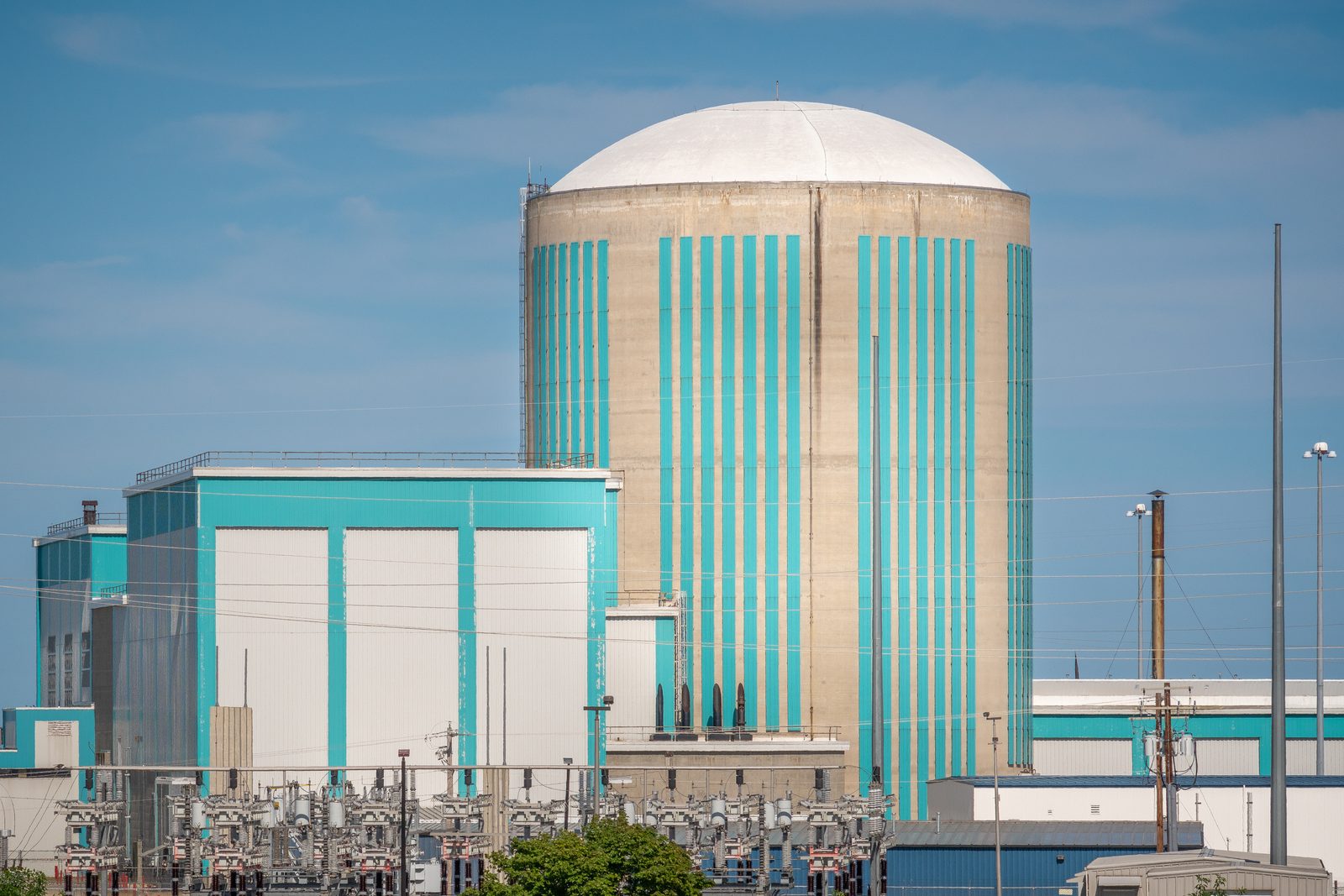
The experts visited the Kanupp Decommissioning Project at the Karachi Nuclear Power Generating Station, Pakistan’s first nuclear power plant, which operated from 1971 until its permanent shutdown in 2021. Radio Pakistan said the visit covered the former Karachi Nuclear Power Plant Unit-1; Dawn reported that the team observed ongoing decommissioning work and spent-fuel storage.
Why it matters
Pakistan is a party to the CPPNM and ratified its 2005 amendment in 2016. The amendment widened the treaty’s scope to cover the physical protection of all peaceful nuclear facilities and materials during domestic use, storage and transport, Dawn reported. The IPPAS review examines how nuclear material and facilities are guarded against theft, sabotage and unauthorised access. It is distinct from IAEA safeguards, which account for nuclear material and verify that it is not diverted from peaceful use.
For Pakistan, safeguards are applied through item-specific agreements. KhabarWire reported in March that the IAEA board of governors approved a safeguards agreement for the Chashma-5 reactor, which the government says should be operational by 2030. The physical-protection review is a different kind of scrutiny, focused on security rather than accountancy, and participation is voluntary.
The mission also lands as Pakistan expands its civilian nuclear programme while nuclear security remains a live international concern. KhabarWire has reported that solar generation overtook nuclear output in Pakistan in 2025, even as the country continues to build reactors and seek foreign partners. An international peer review that endorses the security framework, while recommending improvements, gives Islamabad a documented reference point it can cite in those conversations.
Separately, the PNRA and the IAEA concluded a five-day national workshop on Commercial Grade Item Dedication for nuclear safety-related applications on Thursday, Dawn reported. The workshop examined how commercially manufactured equipment can be qualified for use in nuclear installations.
What is still uncertain
- The mission’s detailed findings and recommendations were not published. Only the summary — a robust regime, with recommendations for further strengthening — is public, so the specific gaps the team identified cannot be independently assessed.
- IPPAS is advisory. It does not certify a country’s nuclear security, create binding obligations or replace national regulation, and it is not the same as an IAEA safeguards inspection. The IAEA and the PNRA described the outcome in positive terms, but the review’s practical effect will depend on how Pakistan acts on the recommendations.
- The public accounts name only one visited site, the Kanupp decommissioning project. It is not clear which other facilities or activities the team examined.
- No date has been announced for a follow-up mission or for publication of a fuller account of the findings.
Sources & reporting notes
This is a synthesis of published material, not eyewitness reporting. Sources were reviewed on 10 October 2026 (Asia/Karachi). The account of the mission's conclusions rests on the IAEA's press release and on Dawn, The Express Tribune and Radio Pakistan, which reported it; the detailed recommendations are not public. The IAEA press release was the primary record and is reproduced in substance by Dawn, which quotes it directly.
- Primary source — IAEA: "IAEA Completes International Physical Protection Advisory Service Mission in Pakistan"Published 9 October 2026 · The agency's announcement that the 12-day mission, held from 28 September to 9 October 2026, had concluded and was the first IPPAS mission to Pakistan.
- Independent source — Dawn: "Country's nuclear safeguards pass first-ever IPPAS security review"Published 10 October 2026 · The mission's findings, the team's composition and leader, the Kanupp decommissioning visit, the CPPNM context, the Commercial Grade Item Dedication workshop, and the IAEA and PNRA statements.
- Independent source — The Express Tribune: "IAEA mission reviews nuclear security"Published 10 October 2026 · Confirms the mission concluded on Friday, was hosted by the PNRA with the Pakistan Atomic Energy Commission, and was undertaken at Pakistan's invitation.
- Primary source — Radio Pakistan: "IAEA appreciates Pakistan's cooperation during nuclear security review"Published 9 October 2026 · Government account of the mission's conclusion, the IAEA team's appreciation of Pakistan's cooperation, the Kanupp visit, and the description of the IPPAS service.