Reporting snapshot · 20 September 2026. The request for proposals was issued on 20 September and the minister's statements were made the same day. The auction's outcome, the number of bidders and the prices they offer are not yet known; the development is the formal opening of the process, not its result.
What happened
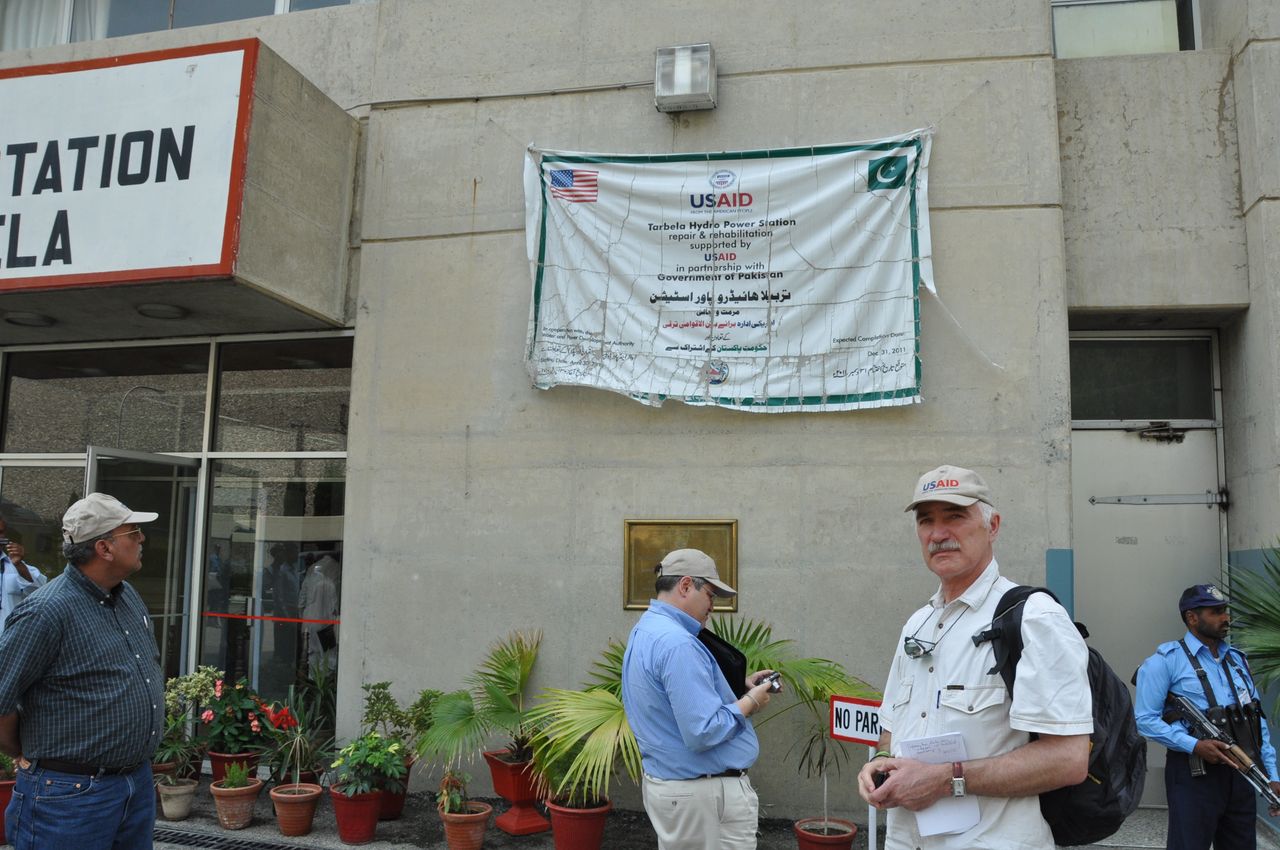
Pakistan’s federal government on Sunday invited proposals for the country’s first electricity wheeling auction, a 400-megawatt offering under the Competitive Trading Bilateral Contract Market (CTBCM), as Energy Minister Awais Leghari announced that the state was “practically exiting electricity purchases from today.”
The request for proposals (RFP) was issued by the Independent System and Market Operator of Pakistan (ISMO), the state-owned operator that is to administer the auction, according to The News International, Geo News and The Express Tribune. In a televised address in Islamabad, Leghari said producers and consumers would now be able to buy and sell power directly through a transparent mechanism instead of the government acting as the central buyer.
“Nobody will have the right to sell electricity to the government, nor will the government be able to purchase it,” the minister said. In a post on X, he wrote: “Suppliers and consumers of power can now transact with each other. No more buying of power by the government, no more IPPs.”
What the auction offers
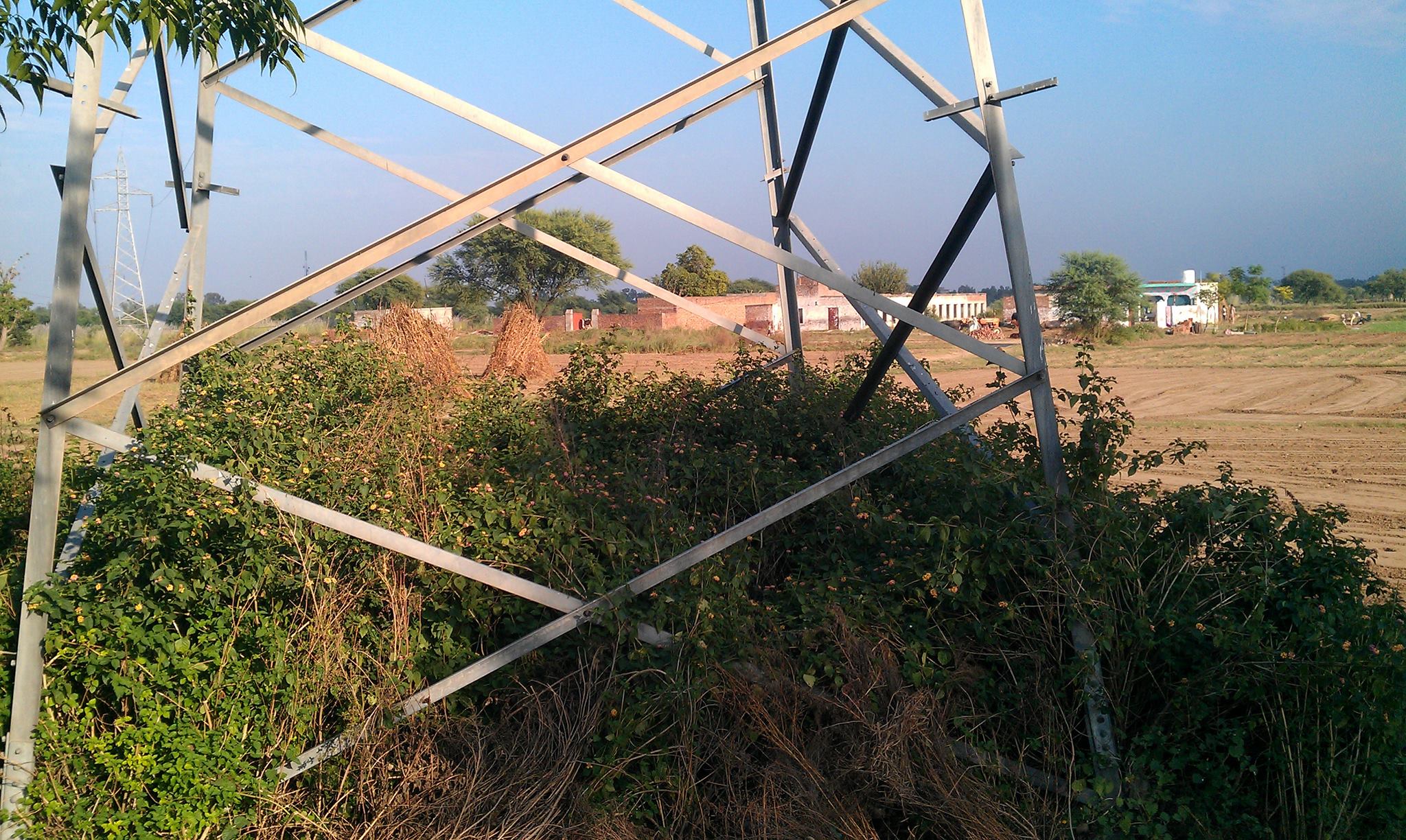
The first auction will allocate 400MW of wheeling quantum, with the government planning to offer a total of 800MW through auctions over the next five years, the minister said. The wheeling mechanism allows an eligible producer and an eligible consumer to enter into a direct bilateral power transaction, using the existing national transmission and distribution network to deliver the contracted electricity. The process gives participants the right to wheel power across the grid for their own use or supply, governed by the Framework Guidelines for Wheeling Auctions and the auction process Nepra approved.
Interested participants have until 20 November 2026 to submit proposals and must register on ISMO’s electronic auction platform to take part, The Express Tribune reported. The RFP contains eligibility criteria, proposal submission requirements and the auction’s complete timeline, and the ministry said related documents were available on ISMO’s website.
In the initial phase, the competitive market will cover industrial and other large consumers using more than one megawatt of electricity. Leghari said the market would develop over the coming years and would eventually allow ordinary consumers to choose their electricity supplier, adding that the initial threshold was part of a phased rollout and not the final scope.
Why this marks a shift
Pakistan’s electricity sector has operated as a single-buyer market, in which the government’s Central Power Purchasing Agency purchases power from generators and supplies it to consumers through distribution companies. Leghari said questions had long been raised about the terms and conditions governing those purchases, and that “the name of IPPs [independent power producers] has become notorious today.”
The move towards competition is the practical implementation of a reform successive governments discussed for decades, the minister said. “Every government for the last 25 to 30 years wanted a competitive electricity market,” he said, adding that the present government had moved beyond policy commitments to actual implementation.
The regulatory groundwork was laid through the CTBCM framework approved by the National Electric Power Regulatory Authority (Nepra), the market operator licence granted in 2022, and the Framework Guidelines for Wheeling Auctions notified in January 2026. Days before the RFP was issued, Nepra approved uniform Use of System Charges (UoSC) for open-access bulk electricity consumers, allowing eligible users to choose their power suppliers.
The launch also dovetails with Pakistan’s energy-sector reform agenda under its International Monetary Fund programme. As KhabarWire reported when Pakistan and the IMF prepared to begin fourth-review talks, the government had finalised the tariff structure for the competitive electricity market even though the bidding process had not yet begun — a step this announcement now opens.
What the government says it will achieve
Leghari said the reform would let industries buy electricity at competitive rates, reduce their production costs, improve the competitiveness of Pakistani products in international markets and support exports. He said the government would “no longer be able to purchase electricity and forcibly sell it to the public at its own rates,” and that greater competition and transparency would help bring down electricity costs.
The claims echo the argument for the earlier industrial tariff relief. In January, the government cut industrial electricity tariffs by Rs4.4 per unit, a measure framed in similar terms — lower power costs as a lever for industrial competitiveness. The wheeling auction is a structural mechanism intended to achieve that goal through markets rather than administered prices.
What remains uncertain
The announcement opens the process; it does not yet reveal its outcome. ISMO has not published a verified figure for the number of generators or industrial consumers that have formally committed to participating in the first 400MW auction. Successful bidders will receive letters of award and must begin transactions within committed timelines, but those contracts will be negotiated bilaterally and their prices are not known.
Whether the auction produces cheaper power depends on whether competitive suppliers offer rates below the regulated tariffs consumers currently pay. If no participant bids below the applicable regulated rates, industrial consumers would have little reason to switch suppliers, as ISMO officials have previously acknowledged. The government expects the auction to be held in the fourth quarter of 2026, though it did not set a precise date in the 20 September announcement.
There are also open questions about grid access and transparency. Nepra, in its determination approving the auction process, noted that the first auction may take place before a fully published nodal-capacity map is available, raising the risk of bids concentrating at perceived secure nodes. The regulator asked ISMO to disclose the technical justification for any limits on the quantum allocated at specific network locations.
What happens next
The next milestones are registration and proposal submission, due by 20 November, followed by the auction itself and the award of wheeling quantum. ISMO will provide supporting materials to help participants navigate the process. For ordinary households, the market will not yet change how electricity is bought and sold; the initial phase is confined to industrial and other large consumers above one megawatt.
The 400MW first auction will test whether Pakistan can make the transition from a single-buyer system to one in which prices are set through competition. How much of the projected 800MW of wheeling quantum is actually contracted — and at what prices — will be the clearest measure of whether the decade-long reform delivers the cheaper, more competitive power the government has promised.
Sources & reporting notes
This is a synthesis of published material, not eyewitness reporting. Sources were reviewed on 20 September 2026.
- The News International — Govt moves to 'quit' power purchase system with first-ever wheeling auction20 September 2026 · The RFP issuance, the minister's announcement and the 400MW/800MW figures.
- Geo News — Govt 'exits' electricity purchase system as first-ever power wheeling auction begins20 September 2026 · The minister's televised address, the >1MW eligibility threshold and the prior Nepra UoSC approval.
- The Express Tribune — Govt launches competitive power market for large consumers20 September 2026 · ISMO's RFP under CTBCM, the 20 November proposal deadline and the phased rollout to ordinary consumers.
- Nepra — Competitive Trading Bilateral Contract Market (CTBCM)Regulatory record · The CTBCM framework, the single-buyer model it replaces and the market operator licence.
- Nepra — Wheeling Auction Process and Framework Guidelines, 2025Regulatory record · The auction process stages, the 800MW aggregate quantum and eligibility criteria.
.jpg)