What happened
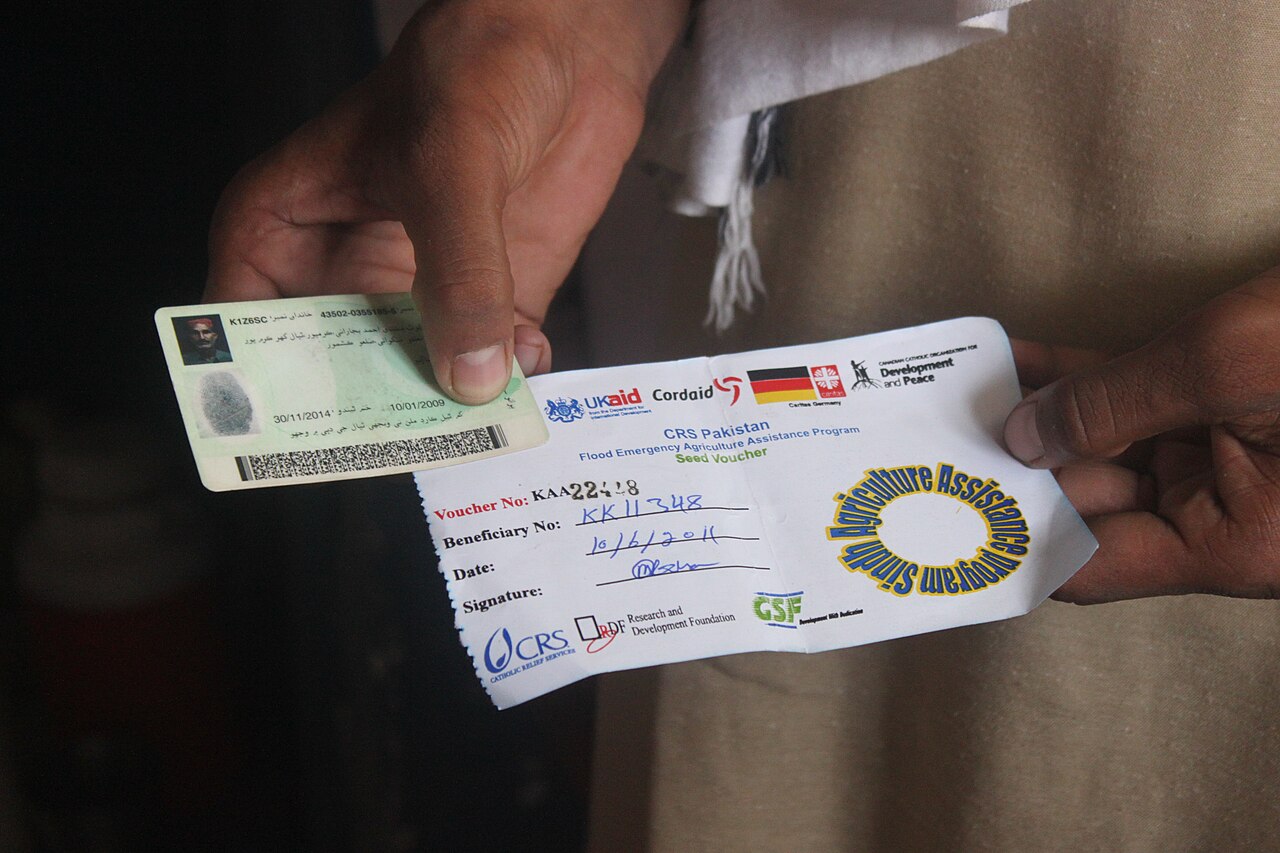
The National Database and Registration Authority (Nadra) has introduced a chipless national identity card built around a secure QR code, replacing the imported microchip used in the country’s smart identity card for about 14 years.
Nadra said the new card is manufactured in Pakistan by the National Security Printing Company (NSPC) in Karachi to its own technical and security specifications. The federal government approved issuance of the new card on 23 February 2026, and the authority announced the launch around Independence Day.
Instead of an embedded chip, the card carries a QR code that can be scanned and verified with an ordinary smartphone through Nadra’s Pak Identity (PakID) mobile application. The code holds the cardholder’s relevant information and photograph. Nadra said this will let institutions capture names, addresses and other identity details more easily and consistently in their systems while reducing data-entry errors.
The card also displays the holder’s family number and specific symbols identifying persons with disabilities, senior citizens, organ donors and citizens of Azad Jammu and Kashmir, according to Nadra. The holder’s name and address are printed in both Urdu and English, and the authority said visible and covert security features have been updated.
Phased rollout
Nadra is introducing the format in phases. In the first phase, the QR code-based card replaces the standard national identity card. From January 2027, the design is to be extended to all categories of national identity cards, including the National Identity Card for Overseas Pakistanis (NICOP) and Juvenile Cards. The Pakistan Origin Card (POC) is to move to the chipless format in a final phase.
Nadra said existing identity cards remain valid until the expiry dates printed on them, so holders are not required to replace them immediately.
Why it matters
The change shifts identity verification away from dedicated chip readers. Nadra said the chip-based smart card introduced about 14 years ago could not be fully utilised because chip readers and supporting infrastructure were never widely deployed. A smartphone-readable QR code removes that dependency and supports the authority’s stated goal of making digital verification easier and more accessible.
The card is also a self-reliance measure: the previous microchip was imported, while the new card is produced domestically by a state-owned printing company. That reduces reliance on foreign components for a document that underpins access to banking, travel, welfare and other services.
What is still uncertain
Nadra has described the timeline and the technology, but has not said how many cards will be issued in the first phase or how quickly the NSPC can meet demand. The practical effect on verification will depend on whether banks, mobile operators, hospitals and government offices update their systems to accept and trust the QR code, and on public uptake of the PakID application.
Sources & reporting notes
This is a summary of published reporting, not independent reporting. Details are as carried by the cited sources, which were reviewed on 15 August 2026.
- Dawn — "Nadra unveils chipless, QR code-based CNICs"15 August 2026 · The launch, domestic manufacturing, features and phased rollout.
- The Express Tribune — "NADRA introduces chipless National Identity Card with secure QR code"14 August 2026 · The phased issuance starting 14 August and the approval date.
- Pakistan Today — "NADRA unveils chipless QR code-based national identity card"14 August 2026 · The PakID verification method and the categories covered.


.jpg)