Reporting snapshot · 15 October 2026 (Asia/Karachi). Parliament's joint sitting took up and ratified the proclamations of emergency and governor's rule in Khyber Pakhtunkhwa on 15 October. Only the tally for the procedural motion that opened the debate — 214 votes to 56 — has been published; the count for the ratification votes themselves had not been released when this was written, so the size of the government's majority on the substantive resolutions is not yet verifiable. The texts of the two resolutions and the status of detained provincial leaders also remain unresolved.
What happened
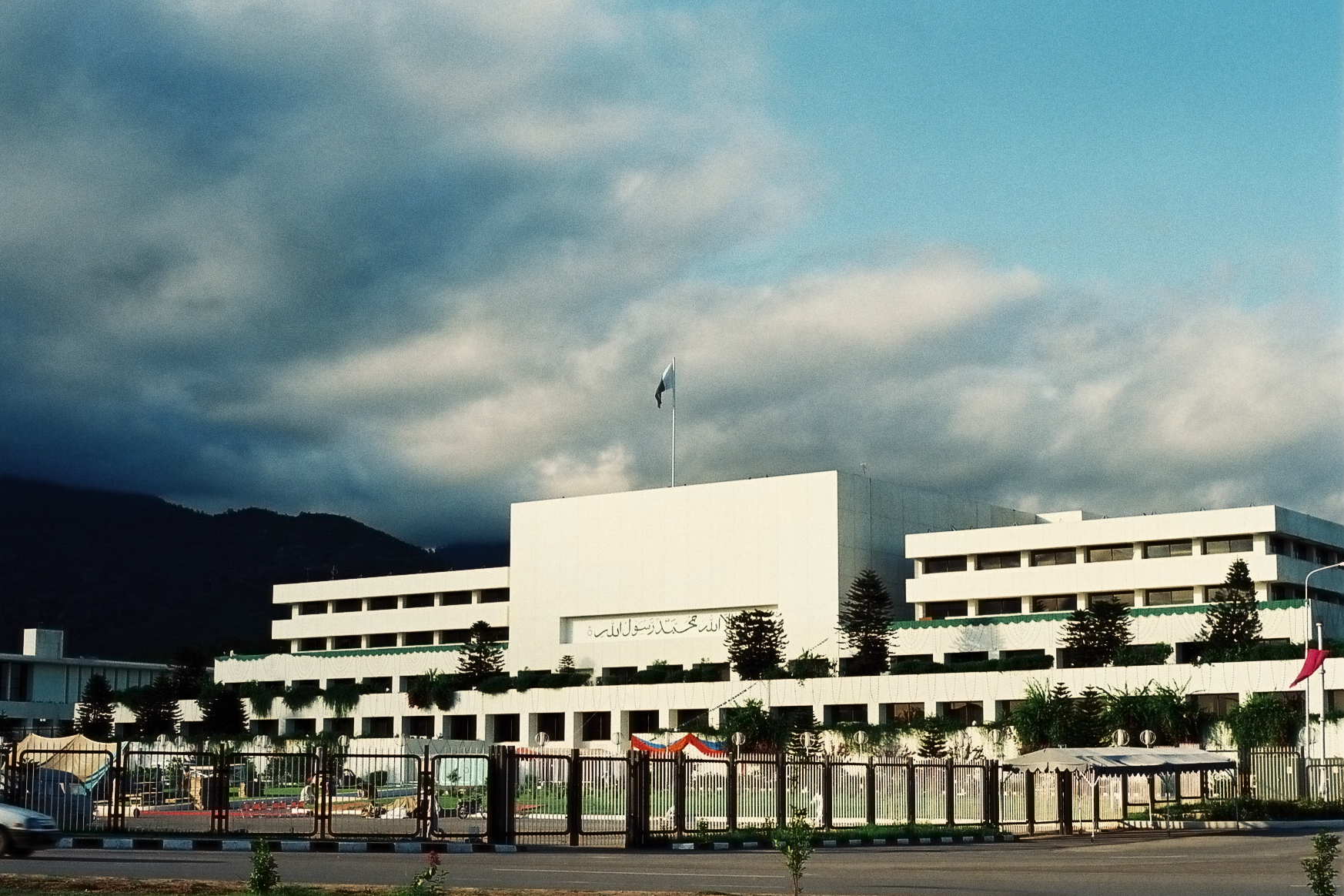
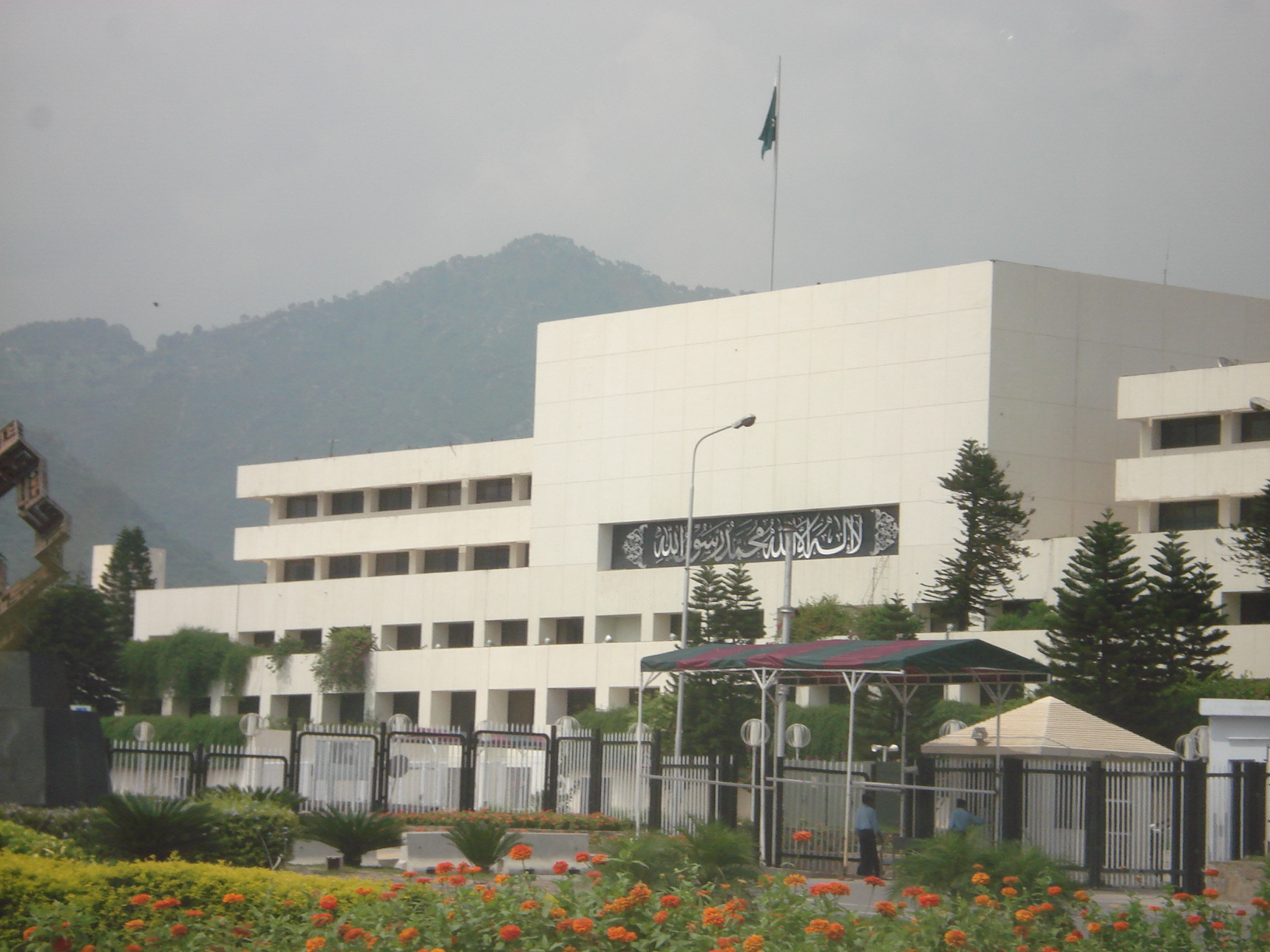
Parliament’s joint sitting ratified the emergency and governor’s rule imposed in Khyber Pakhtunkhwa by majority vote on Thursday, 15 October, in the seventh joint sitting of the current Parliament, Geo News reported. The sitting was chaired by National Assembly Speaker Ayaz Sadiq, and Federal Minister for Parliamentary Affairs Tariq Fazal Chaudhry laid both presidential proclamations before the house — the emergency under Article 232(7) of the Constitution and the governor’s rule under Article 234(3) — The Express Tribune reported.
Before debate opened, Chaudhry moved a procedural motion under Rule 232 of the Parliament (Joint Sitting) Rules, 1973, to suspend certain sub-rules. Opposition members opposed it; the Speaker put it to a vote by asking members to stand, and it was adopted by 214 votes to 56. Chaudhry then moved two separate resolutions, one seeking ratification of the emergency proclamation under Article 232 and the other approval of the governor’s rule proclamation under Article 234. After a debate that ran into the afternoon, both were carried by a majority, Geo News recorded.
The joint sitting was the second parliamentary step in as many days. On Wednesday, 14 October, the National Assembly and then the Senate separately approved the Article 232 emergency, meeting the ten-day window for both houses to endorse a presidential proclamation, as KhabarWire reported. President Asif Ali Zardari then summoned the joint sitting for 11am on 15 October, according to the National Assembly’s notice; the order of the day listed the two proclamations. Parliament was prorogued later the same day.
Why the vote matters
The joint sitting matters because governor’s rule under Article 234 follows a different route from the emergency. As Pakistan Today explained when both houses voted, a proclamation under Article 234 must be laid before a joint sitting of Parliament. It lapses after two months unless the joint sitting approves it, and it cannot remain in force for more than six months. The emergency under Article 232, by contrast, requires the separate approval of both houses within ten days of issuance.
By ratifying the two proclamations, the joint sitting cleared the constitutional test that the government had said was the next step after the 14 October votes. Defence Minister Khawaja Asif told reporters outside the National Assembly that governor’s rule had initially been imposed for six months and could be reviewed for further periods, Geo News reported — the first public indication of the government’s intended duration.
The measures keep Khyber Pakhtunkhwa’s PTI-led administration suspended. Under the arrangement imposed on 11 October, Governor Faisal Karim Kundi has taken over the functions of the provincial government, an advisory council assists him, and Parliament has assumed the provincial assembly’s legislative powers, as KhabarWire set out. The standoff is tracked on the K-P emergency hub.
The government’s case and a five-point offer
Law Minister Azam Nazeer Tarar opened the debate by defending the emergency as a “last resort” after what he described as a worsening security situation, and rejected comparisons with martial law. He told the joint sitting that the governor had written to the president and prime minister about conditions in the province, and that the federal cabinet had deliberated for two and a half hours before recommending the move. Interior Minister Mohsin Naqvi said the government had tried since August and September to secure the provincial government’s cooperation on counterterrorism, and accused the provincial administration of failing to condemn terrorism in a joint press release.
In a new element, Naqvi read out five points of a proposed agreement with the opposition, according to Geo News. They provided for a meeting between the prime minister and the leader of the opposition on constitutional matters; a political committee of PTI and government representatives to discuss outstanding issues; guarantees of legal rights including access to medical treatment and meetings; consideration of sentence reductions for elderly prisoners; and implementation of the National Action Plan-II. Deputy Prime Minister Ishaq Dar said the JUI-F chief, Maulana Fazlur Rehman, had offered to restart talks that morning but that the prime minister told him the situation had gone too far.
The opposition rejected the measures. Leader of the Opposition Mahmood Khan Achakzai called for the decisions to be reversed and described the government in harsh terms; PTI chairman Barrister Gohar Ali Khan denied that his party supported terrorism and demanded a vote on the allegation; and PTI Senator Ali Zafar accused the government of using the joint sitting to legitimise constitutional violations. Several opposition members wore black armbands during the proceedings.
What is still uncertain
Several questions remain open. The published record confirms the 214-56 tally only for the procedural motion, not for the ratification votes, and the texts of the two resolutions have not been released. The PTI’s petition in the Peshawar High Court against the measures, filed on 14 October, had no hearing date when this was written, as earlier coverage noted. The duration of governor’s rule beyond the initial period remains a statement by ministers rather than a published decision. The whereabouts of the non-functional chief minister, Sohail Afridi, and other detained leaders, and whether the five-point offer leads to talks, are also unresolved. None of these can be settled from a single day of parliamentary proceedings.
Sources & reporting notes
This is a synthesis of published reporting and official records, not eyewitness reporting. Sources were reviewed on 15 October 2026 (Asia/Karachi). Only the procedural motion's division tally (214-56) has been published; the count for the substantive ratification votes is not stated in the sources below, and the limitation is reflected above.
- Primary record — National Assembly of Pakistan: notice summoning the joint sitting of 15 October 2026Issued 14 October 2026 · Confirms that the Majlis-e-Shoora (Parliament) in joint sitting was summoned to meet at 11am on Thursday, 15 October 2026; the National Assembly site also records the 7th joint sitting order of the day and the prorogation of Parliament on 15 October 2026.
- Independent source — Geo News: live updates, "Governor's rule in KP"15 October 2026 · The ratification of the emergency and governor's rule by majority vote; Khawaja Asif's statement that governor's rule was imposed initially for six months; Naqvi's five-point proposed agreement; and remarks by Dar, Naqvi, Ali Zafar and others in the joint sitting.
- Independent source — The Express Tribune: "Parliament's joint session takes up resolutions on K-P emergency, governor's rule"15 October 2026 · The tabling of the two proclamations under Articles 232(7) and 234(3), the procedural motion carried 214-56, the speeches by Tarar, Achakzai and Gohar, and the sequence of the debate.
- Independent source — The Express Tribune: "Parliament ratifies emergency in K-P"15 October 2026 · The 14 October votes in the National Assembly and Senate, and the president's summoning of the joint session for the following morning.
- Independent source — Pakistan Today: "Parliament endorses emergency in KP amid Opposition protests"14 October 2026 · The Article 234 mechanics — a joint sitting, the two-month default lapse and the six-month ceiling — and the Article 232 ten-day approval requirement.