What happened
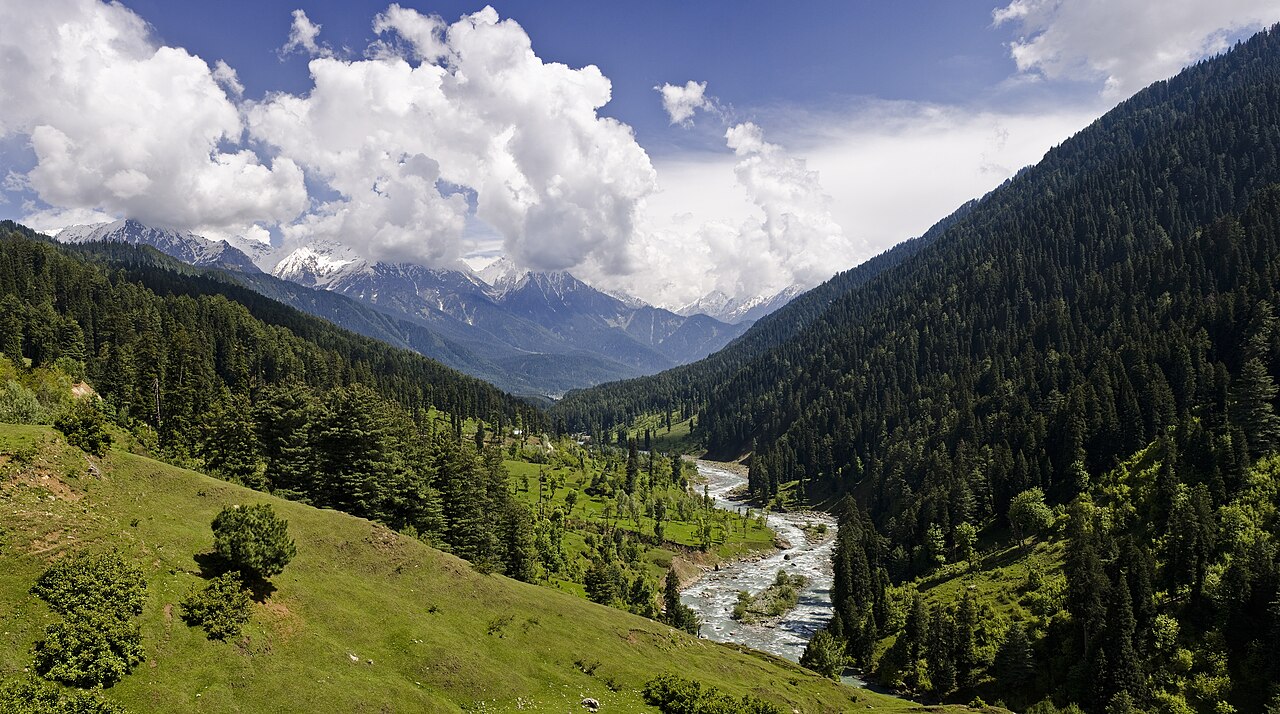
Pakistan observed the 78th Kashmir Accession Day, known as Youm-e-Ilhaq-e-Pakistan, on Sunday, 19 July 2026, commemorating the resolution adopted by the All Jammu and Kashmir Muslim Conference at its Srinagar session on 19 July 1947 that called for the state’s accession to Pakistan, Pakistan Today reported.
President Asif Ali Zardari and Prime Minister Shehbaz Sharif issued separate messages, Dawn reported, reaffirming Pakistan’s position on the disputed territory and urging the international community to act.
The prime minister’s message
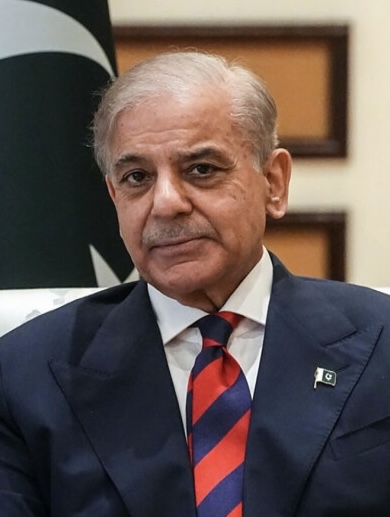
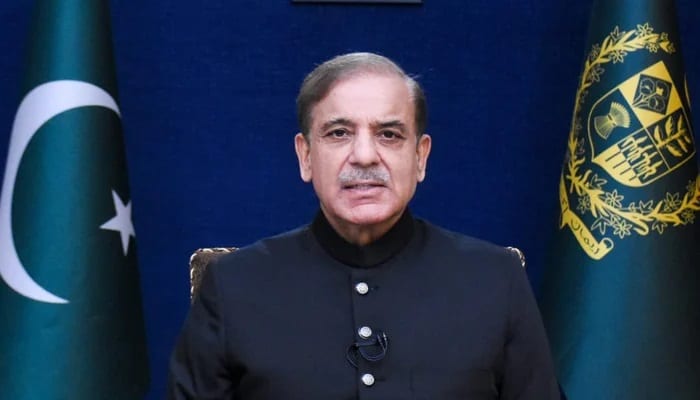
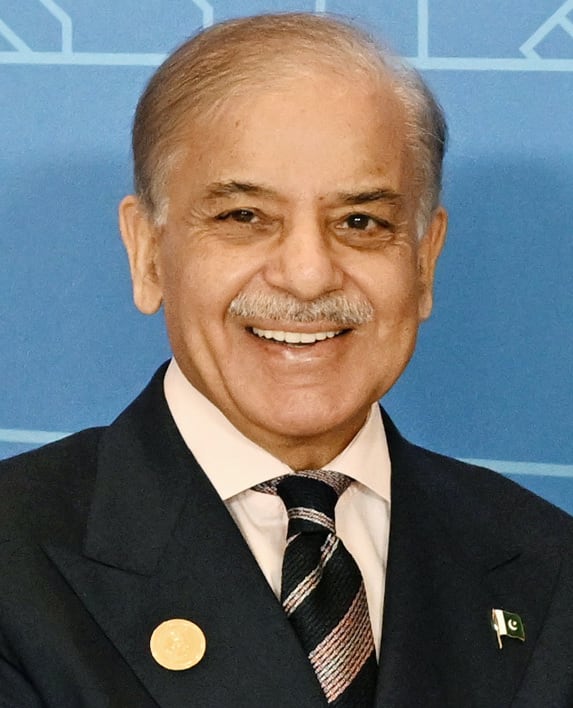
Prime Minister Shehbaz Sharif said the 1947 resolution reflected the collective political aspirations of the Muslims of Jammu and Kashmir and that it remained an important milestone in their political struggle. He said the people of the state had clearly expressed their desire for accession to Pakistan and had called on the Dogra rulers to respect the will of the people.
Reaffirming Pakistan’s longstanding position, he said the country remained steadfast in its support for the inalienable right to self-determination of the people of Jammu and Kashmir as enshrined in the relevant United Nations Security Council resolutions. He said the unresolved dispute continued to have profound implications for regional peace and security, and that lasting peace in South Asia required its peaceful resolution in line with those resolutions and the aspirations of the Kashmiri people.
The prime minister paid tribute to the courage and resilience of the people of Indian Illegally Occupied Jammu and Kashmir (IIOJK) and said Pakistan would continue to extend diplomatic, political and moral support until they were able to exercise that right.
The president’s message
President Zardari paid tribute to the historic resolution and said the observance served as a reminder of the historical, cultural and spiritual bonds between the people of Pakistan and Jammu and Kashmir. He said the dispute had remained unresolved for nearly eight decades despite Security Council resolutions recognising the right of Kashmiris to self-determination.
The president said the continued denial of that right, together with what he described as persistent human rights violations in IIOJK, remained a matter of serious concern for the international community. He urged the international community, particularly the United Nations, to fulfil its responsibility by supporting efforts to ensure the realisation of the Kashmiri people’s right to self-determination.
Why it matters
The annual observance is one of several dates on which Pakistan’s leadership restates its position on Jammu and Kashmir, alongside Kashmir Martyrs’ Day on 13 July and Right to Self-Determination Day on 5 January. The 1947 accession resolution is the historical basis on which Pakistan frames its claim, and the messages again tied a settlement to the Security Council resolutions that call for a plebiscite under UN auspices.
What is still uncertain
The reports carried Pakistan’s official messages and did not include any response from India, which describes the whole of Jammu and Kashmir as an integral part of its territory. The human rights and other figures cited in the statements are presented here as claims by the Pakistani leadership and were not independently verified in the cited reports.
Sources & reporting notes
This is a summary of published reporting, not independent reporting. Details are as carried by the cited sources, which were reviewed on 2026-07-19.
- Pakistan Today — "President, PM reaffirm unwavering support for Kashmiris' right to self-determination on Youm-e-Ilhaq-e-Pakistan"19 July 2026 · The observance, the 1947 accession resolution and the full text of the president's and prime minister's messages.
- Dawn — "Pakistan reaffirms support for Kashmiris' right to self-determination"19 July 2026 · The leadership messages, the UN Security Council resolutions and Pakistan's stated position on the dispute.