What happened
Authorities detected acid in the stomach of deceased businessman Mir Raza Ali and found severe acid-related damage to his lungs, sources said on Monday, 10 August 2026. Traces of acid were also found on his hands and feet, while his shirt reportedly carried traces of acid and another person’s sweat.
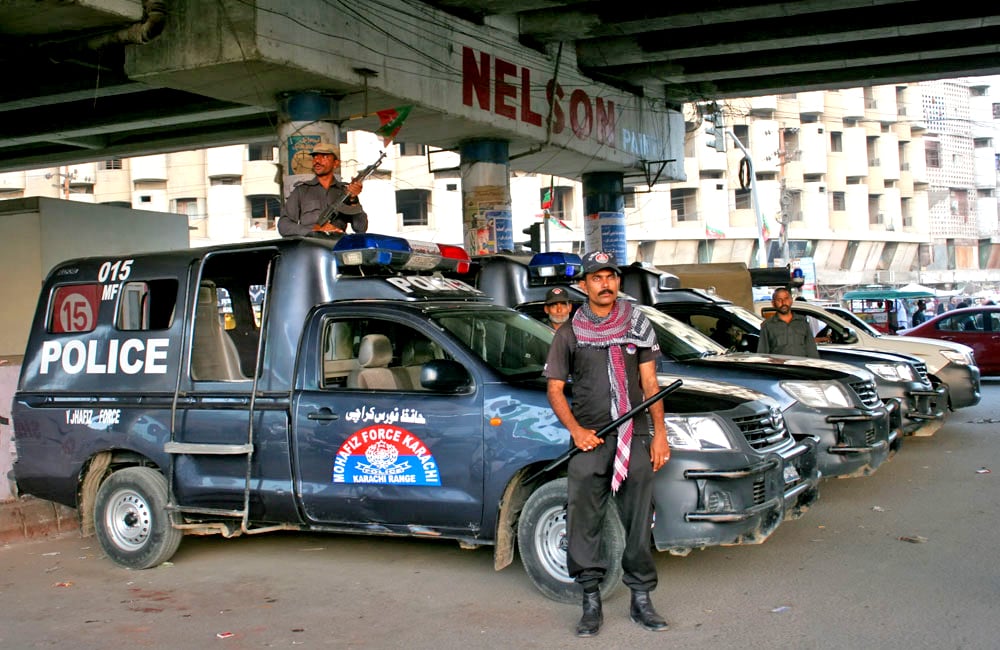
Police sealed a guesthouse near the scene after it was deemed suspicious and detained six of its workers, bringing the total number of people held in connection with the case to 21, including Ali’s friends and business partners, according to the sources. Statements of the detained individuals were recorded.
The findings emerged a day after Ali’s body was exhumed and reburied following a second post-mortem examination by a medical board. The earlier report indicated that Ali had suffered a gunshot wound from the rear, that marks of violence were found across his body, that his ribs were fractured and that there were multiple injuries to his head and face.
Ali, an IBA graduate who owned the eatery Wafflix, was reported missing on 28 July. His body was found the next day in bushes in Karachi’s Gulistan-e-Jauhar area with a gunshot wound. His father later alleged that he had been murdered and rejected speculation that he had died by suicide.
Investigation and family’s stance
A new investigation team formed by the Sindh inspector general of police began formal proceedings on Monday, meeting Ali’s family and their lawyer, Jibran Nasir, at the DIG Crime office and collecting records from the previous team. Sindh Home Minister Ziaul Hassan Lanjar said the provincial government had deferred a decision on forming a judicial commission, saying the family had expressed confidence in the new team.
Ali’s parents formally declined a judicial commission and asked that the police investigation be allowed to continue within the law, Nasir said. “For now, there is no need for a judicial commission in the case,” he was quoted as saying.
Separately, Sindh Senior Minister Sharjeel Inam Memon approached the National Cyber Crime Investigation Agency over social media allegations linking him and his son to the case, describing them as false and malicious. A complaint was submitted to the agency’s Karachi zone on 9 August.
Why it matters
The case has drawn sustained public attention in Karachi, with competing official accounts over the first post-mortem examination prompting the exhumation and a second autopsy. The police surgeon, Dr Summaiya Syed, had questioned inconsistencies in the initial medico-legal report, and the reconstituted medical board’s findings led investigators to add a murder charge to the first information report.
The decision to let the police team continue, rather than hand the matter to a judicial commission, places the burden of resolving those questions on the provincial investigation.
Sources & reporting notes
This is a summary of published reporting, not independent reporting. Details and the quoted remarks are as carried by the cited sources, which were reviewed on 10 August 2026. Some findings are attributed to unnamed sources as reported.
- The News — "Authorities detect 'acid traces' in Mir Raza Ali's stomach, clothes"10 August 2026 · The acid findings, the sealed guesthouse, the detention figures and the family's position on a judicial commission.
- Dawn — "New investigation team initiates formal proceedings into Mir Raza Ali murder"10 August 2026 · The new investigation team, the home minister's statement and the second post-mortem findings.