Reporting snapshot · 14 October 2026 (Asia/Karachi). The Saudi-led coalition struck a fuel depot on the edge of Houthi-held Sanaa on the night of 13 October, after telling civilians to leave the site, and said it then intercepted missiles and drones over Riyadh and Dammam. The Houthis had threatened to hit Aramco installations. Damage figures from the depot strike were not published, and both sides' accounts remain contested.
What happened
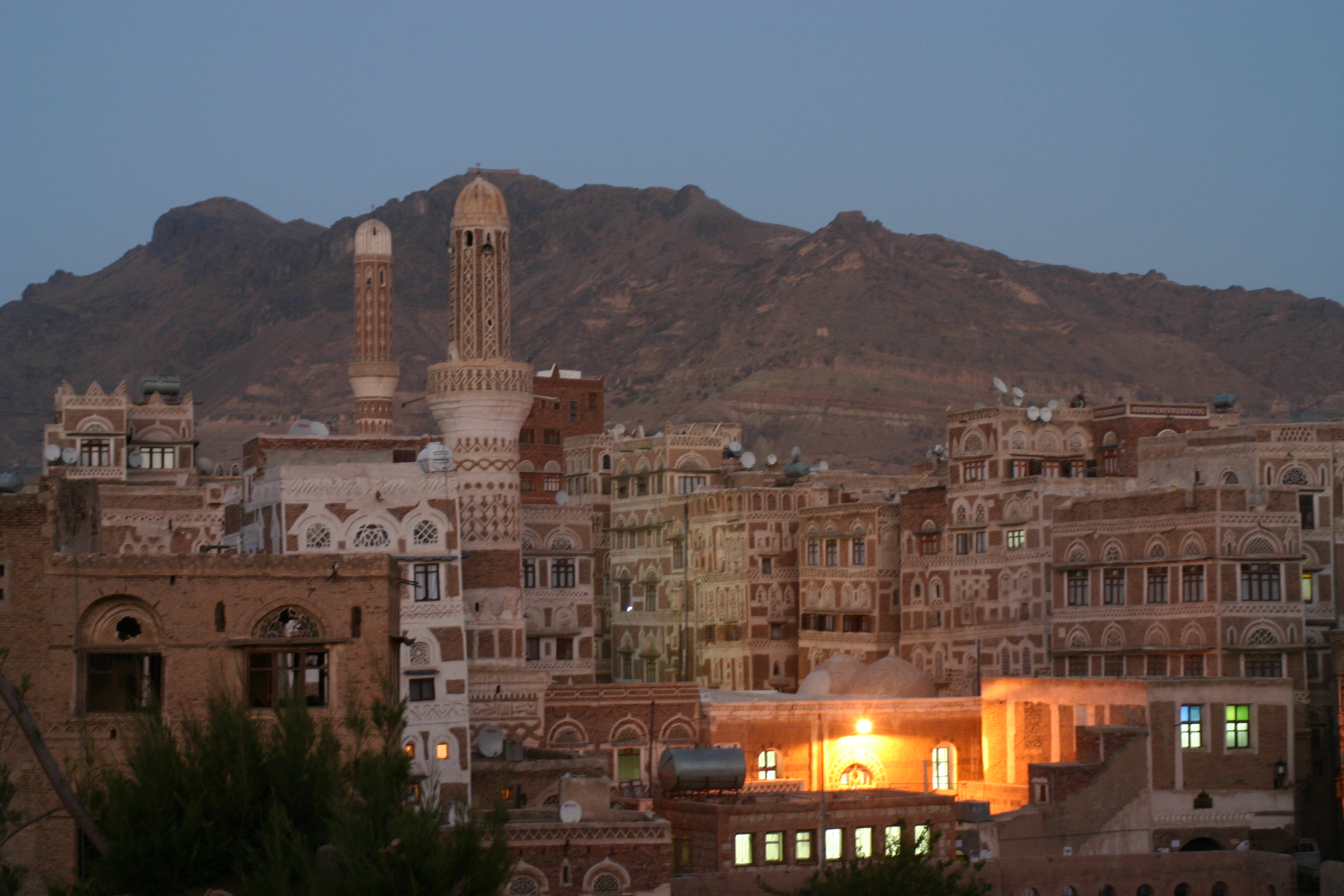
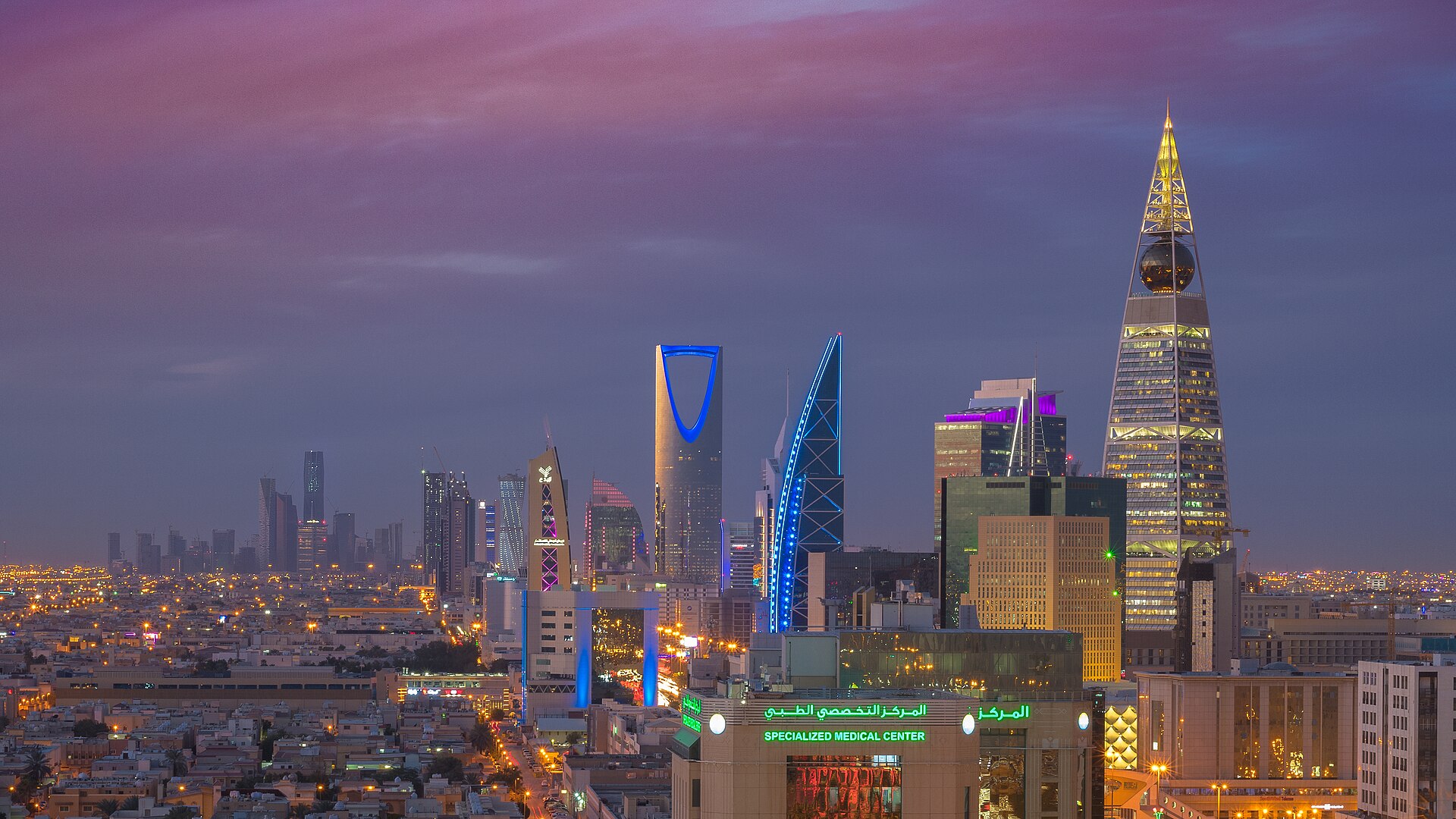
The Saudi-led coalition fighting in Yemen struck a fuel depot on the edge of the Houthi-held capital, Sanaa, late on Tuesday, 13 October, after warning civilians to move away from the site. The coalition’s spokesman, Major-General Turki al-Maliki, said the operation hit the Yemen Petroleum Company’s al-Sabaha facility and that its air defences then intercepted several projectiles aimed at Saudi cities, including Riyadh and Dammam in the east. He said falling shrapnel struck a residential area of Dhahran, the home of the headquarters of Saudi Aramco, the state oil company.
The Houthi-run Yemen Petroleum Company said the depot “does not contain any stock of petroleum products”, so the strike had not damaged fuel reserves, and moved to reassure residents that supplies were stable. Witnesses told the AFP news agency that queues had already formed at Sanaa petrol stations on Tuesday afternoon, after the coalition warned of an impending operation. No deaths were reported at the depot.
The exchange followed the deadliest attack on Saudi soil in more than a decade. A missile hit King Khalid International Airport in Riyadh on Saturday, 10 October, killing 13 people and wounding more than 300; a second projectile killed one more person at the same airport the next day, as KhabarWire reported. The Saudi-led coalition said its forces had also destroyed three drones north of Riyadh on Tuesday.
What the Houthis threatened
Before the Sanaa strike, the Houthi military spokesman, Brigadier-General Yahya Saree, said all employees and civilians near Saudi oil facilities should evacuate, calling the sites “a legitimate target”. He named the Aramco headquarters in Dhahran, the Aramco refinery and King Khalid International Airport in Riyadh, and warned that any strike on Sanaa would meet a “harsh and painful” response, Al Jazeera reported. He renewed an earlier warning to oil workers in the kingdom to stay away from sites that could be attacked.
After the coalition’s operation, Maj Gen al-Maliki said four missiles and two drones had been intercepted near Riyadh, and that missiles aimed at other cities, including Dammam, had also been stopped. The Houthis said the coalition had additionally struck the Ras Isa oil port and an oil station in the Red Sea province of Hodeidah.
Saudi Arabia’s cabinet, chaired by Crown Prince Mohammed bin Salman, said the Houthis would “bear the consequences” of their attacks across the kingdom, the BBC reported. US President Donald Trump said the Houthis were “behaving very badly” and were trying to “drive up oil prices”, and told reporters he “might” ask Turkey’s President Recep Tayyip Erdogan to intervene in support of Saudi interests.
Why the widening target list matters
The shift is in the target set rather than the volume of fire. Until this week the Houthi campaign against Saudi Arabia had largely concentrated on airports and energy sites in the south and centre; naming the Aramco headquarters in Dhahran, in the Eastern Province, and intercepting projectiles over Dammam widens the geographic and economic exposure of the kingdom’s oil heartland. Aramco is the world’s largest crude exporter, and threats to its installations move oil markets even when no damage is confirmed.
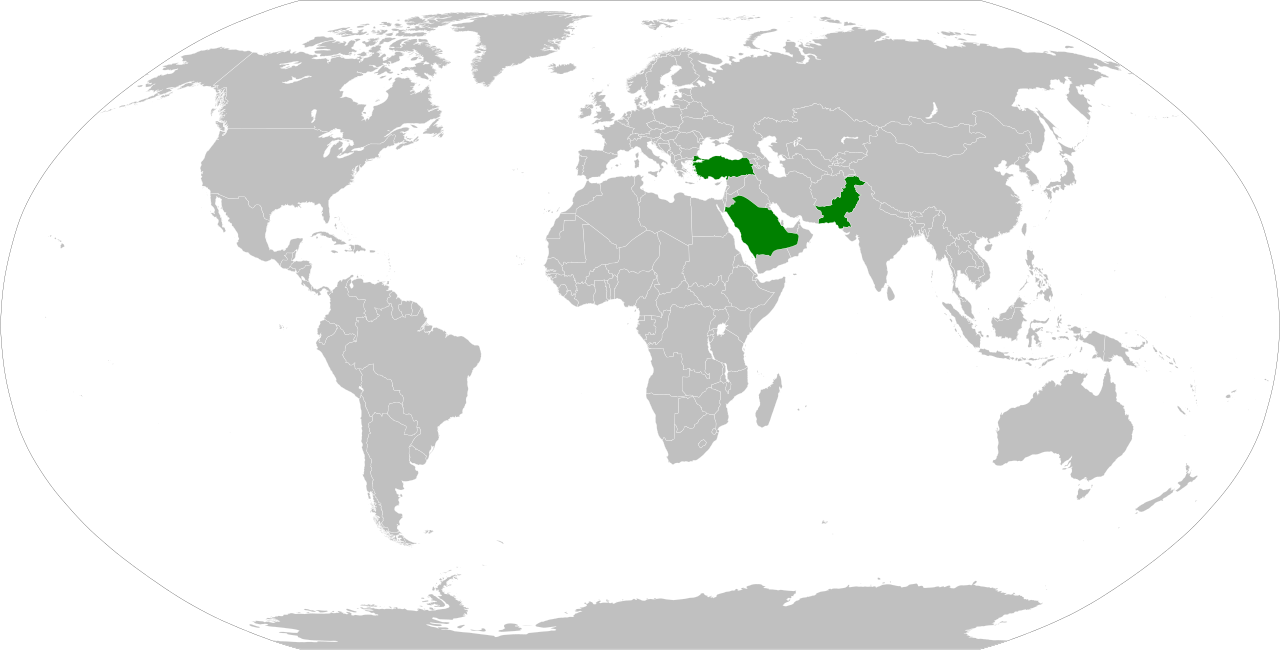
That matters well beyond the Gulf. About two million Pakistanis live and work in Saudi Arabia, and their remittances are among the largest single sources of foreign exchange for Pakistan’s economy. Pakistani nationals have already been caught in the attacks: six were wounded in the 11 October strike on Riyadh airport, and one Pakistani was among those killed there the following day. Islamabad, which signed the Makkah Joint Defence Agreement with Saudi Arabia and Turkey in August, has said its posture is defensive and that it has forces in the kingdom “across multiple domains”, while insisting they would not cross into Yemen.
For Pakistan the war also runs through the oil price. Pakistan imports most of its petroleum, and the recent strikes have helped keep crude volatile near $105 a barrel, feeding directly into the daily fuel-price mechanism and the import bill that Islamabad is trying to reduce.
The wider war in Yemen
The Sanaa strike is the latest phase of a war that reignited over the summer. A four-year informal ceasefire unravelled in July, when the Houthis announced a “maritime embargo” against Saudi Arabia and began missile and drone attacks on Saudi airports, oil facilities and shipping. In September the group seized part of Yemen’s Red Sea coast and the Bab al-Mandab strait, a chokepoint for global trade; a Saudi-backed, Yemeni government counter-offensive, “Dawn of Yemen”, is now pushing back.
On the same day as the Sanaa depot strike, government forces said they carried out nine air strikes on Houthi positions and equipment in the south-western province of Taiz — five in Dhubab district and four in al-Masrakh. The Yemeni Network for Rights and Freedom said Houthi shelling had killed at least five civilians, including a five-year-old girl, and wounded 17 in Taiz over the previous 24 hours. The figures could not be independently verified.
The human cost is mounting. The United Nations says more than 216,000 people have been displaced across Yemen since August, and that at least 54 civilians have been killed, half of them children; suspected cholera cases have tripled in three weeks, from 217 to 647. The president of the International Committee of the Red Cross, Mirjana Spoljaric, said the scale of death, displacement and damage to civilian infrastructure in Yemen was “mounting at an alarming rate” and called on all parties to de-escalate.
What is still uncertain
Several claims remain unverified. The coalition has not published an independent damage assessment of the al-Sabaha depot, and the Yemen Petroleum Company’s statement that it held no fuel is its own account. The interception figures — four missiles and two drones near Riyadh, plus further missiles aimed at Dammam — come from Maj Gen al-Maliki’s office and have not been separately confirmed. Saudi authorities have not reported casualties from the interceptions beyond shrapnel in Dhahran.
On the diplomatic side, no signatory has formally invoked the Makkah pact’s collective-defence clause, and the joint statements issued in Riyadh on 5 October have stopped short of doing so. Whether the widened threat changes that calculus in Riyadh, Ankara or Islamabad is the question the next round of statements will answer. What is clear is that the war has moved closer to the Gulf’s oil installations, and that Pakistan — bound by treaty and exposed through its workers — is watching from inside the alliance.
Sources & reporting notes
This is a synthesis of published reporting and on-record statements, not eyewitness coverage. Sources were reviewed on 14 October 2026 (Asia/Karachi). The 13 October al-Sabaha depot strike and the interception claims are attributed to the Saudi-led coalition's spokesman and are not independently verified; the Houthi account is attributed to the group's spokesman and media. The Pakistan-related details — the 11 October injuries, the 12 October fatality and the Makkah-pact posture — are carried by Pakistani outlets and KhabarWire's own earlier reporting.
- BBC News — "Missiles intercepted near Riyadh after Saudi coalition hits Yemen fuel depot"Published 14 October 2026 · The al-Sabaha strike and the coalition's civilian warning, the interceptions near Riyadh and the missiles aimed at Dammam, shrapnel in Dhahran, the Saudi cabinet statement, the airport death tolls, the UN displacement and cholera figures, and Trump's remarks.
- Al Jazeera — "Houthis threaten Saudi Aramco facilities, airports amid escalating conflict"Published 13 October 2026 · Yahya Saree's evacuation warning and the named target list including the Dhahran headquarters, the Sanaa explosions, the Ras Isa and Hodeidah strikes, the Taiz air strikes and casualty claims, and the ICRC president's statement.
- The Express Tribune (Reuters / Anadolu Agency) — "Saudi Arabia strikes Yemen capital as Houthis vow to retaliate"Published 13 October 2026 · The coalition strike on the Sanaa fuel depot, the Houthi retaliation threat, the Taiz strikes, the Yemen displacement figures and the wider Yemen war timeline.
- KhabarWire — "Second Houthi strike hits Riyadh airport as Pakistan reaffirms Makkah pact"Published 12 October 2026 · The preceding airport strikes, the Makkah-pact reaffirmation and the context for Pakistan's exposure cited above.