What happened
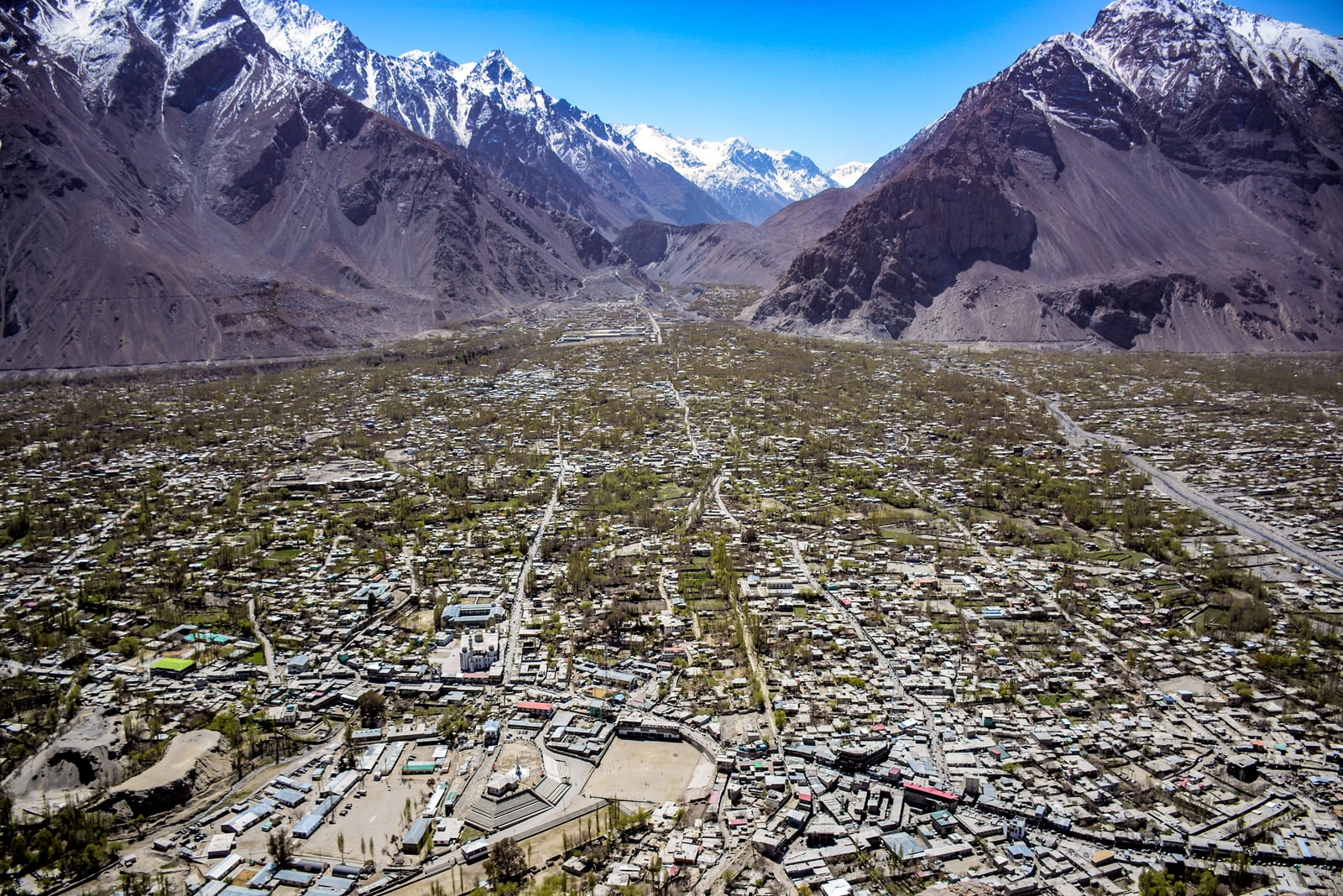
The Gilgit-Baltistan government imposed a three-day curfew in Gilgit and Skardu from Monday, 2 March 2026, and deployed the Pakistan Army in Skardu under Article 245 of the Constitution to help restore order, after weekend protests over the killing of Iran’s supreme leader turned violent.
A notification from the region’s Home and Prisons Department said the curfew would remain in force from 2 March to 4 March, with limited relaxation windows to let residents buy essential supplies and attend urgent needs. Officials said military contingents would support law-enforcement agencies in Gilgit and Skardu during the curfew, that checkpoints would be set up in sensitive areas, and that patrolling would be intensified to deter disruption. Residents were told to stay indoors outside the announced relaxation periods and to cooperate with security personnel.
Why the army was called in
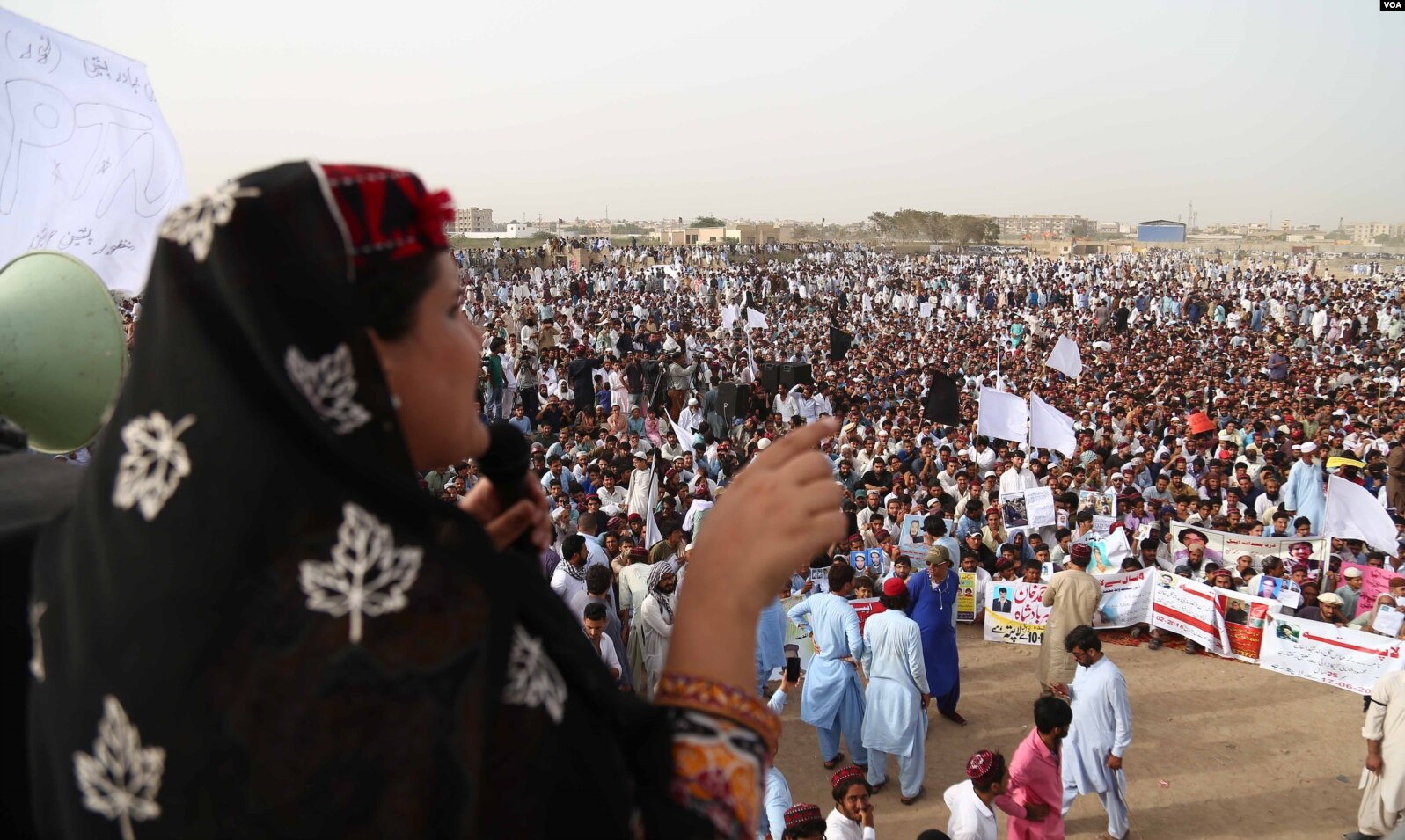
The measures followed a day of countrywide demonstrations against joint United States and Israeli strikes on Iran, in which crowds in the northern region targeted state and international property. In Skardu, protesters set fire to the office of the United Nations Military Observer Group in India and Pakistan and damaged several other public and private buildings.
“A large number of protesters gathered outside the UN office and burned down the building,” Gilgit-Baltistan government spokesman Shabbir Mir told Reuters. Authorities said at least 11 people were killed in Skardu during the clashes, while officials put the nationwide death toll from Sunday’s unrest at more than 20, with ten shot dead in Karachi and two in Islamabad.
The wider security picture
Across Pakistan, authorities moved to shut down further gatherings. Section 144 was imposed in Islamabad and Punjab, banning public assemblies, roads to Islamabad’s Diplomatic Enclave were sealed, and security around foreign missions was tightened. In Lahore and Peshawar, hundreds gathered near the United States Consulate and the Peshawar Press Club; police fired tear gas in Lahore after clashes broke out. Reuters reported that large gatherings were banned nationwide and that the military had been sent into the Himalayan Gilgit-Baltistan region.
Interior Minister Mohsin Naqvi, who toured Islamabad’s Red Zone and Diplomatic Enclave, said peaceful protest was a right but that “mischief under the guise of protest will absolutely not be allowed.” Islamabad’s district administration declared all gatherings unlawful and warned of strict legal action against violators.
What is still uncertain
The casualty figures remained contested, and the federal and provincial accounts differed on the Karachi toll. It was not clear at publication whether the curfew would be extended beyond 4 March, how long the army would remain deployed in Skardu and Gilgit, or when the damaged UN compound and other burned buildings would be assessed. No formal damage estimate for the region had been released.
Sources & reporting notes
This is a synthesis of published material, not eyewitness reporting. Sources were reviewed on 2026-03-03.
- The Nation — At least 23 dead as mobs storm Karachi consulate and clash with forces elsewherePublished 2 March 2026 · The Gilgit-Baltistan Home and Prisons Department curfew notification for Gilgit and Skardu, the Article 245 army deployment, the Skardu UN office burning, and Shabbir Mir's remarks.
- DW — Pakistan imposes curfew after deadly Iran protestsPublished 2 March 2026 · The three-day curfew in the northern cities of Gilgit and Skardu, the army deployment and casualty ranges across Gilgit-Baltistan.
- Al Jazeera — Pakistan calls troops, orders 3-day curfew as 24 killed in pro-Iran ralliesPublished 2 March 2026 · The curfew districts of Gilgit, Skardu and Shigar, the regional death toll and the security build-up around US missions.