Reporting snapshot · 10 October 2026 (Asia/Karachi). No emergency has yet been proclaimed under Article 232 of the Constitution. The federal government has completed preparations to impose emergency in 12 Khyber Pakhtunkhwa districts — eight merged tribal districts and four settled districts — under a special federal-led administrative structure separate from the PTI government. PTI has rejected the plan as a violation of the 18th Amendment. Any decision by today's high-level meeting will update this article.
What happened on day seven
Pakistan Tehreek-e-Insaf on Saturday, 10 October 2026 criticised as a violation of the 18th Amendment the federal government’s reported plan to impose an emergency in 12 districts of Khyber Pakhtunkhwa. PTI Khyber Pakhtunkhwa spokesperson Shaukat Yousafzai, in a video statement, said a “separate administrative structure has been set up in the 12 districts” and called this “a serious violation of the 18th Amendment”, The Express Tribune reported.
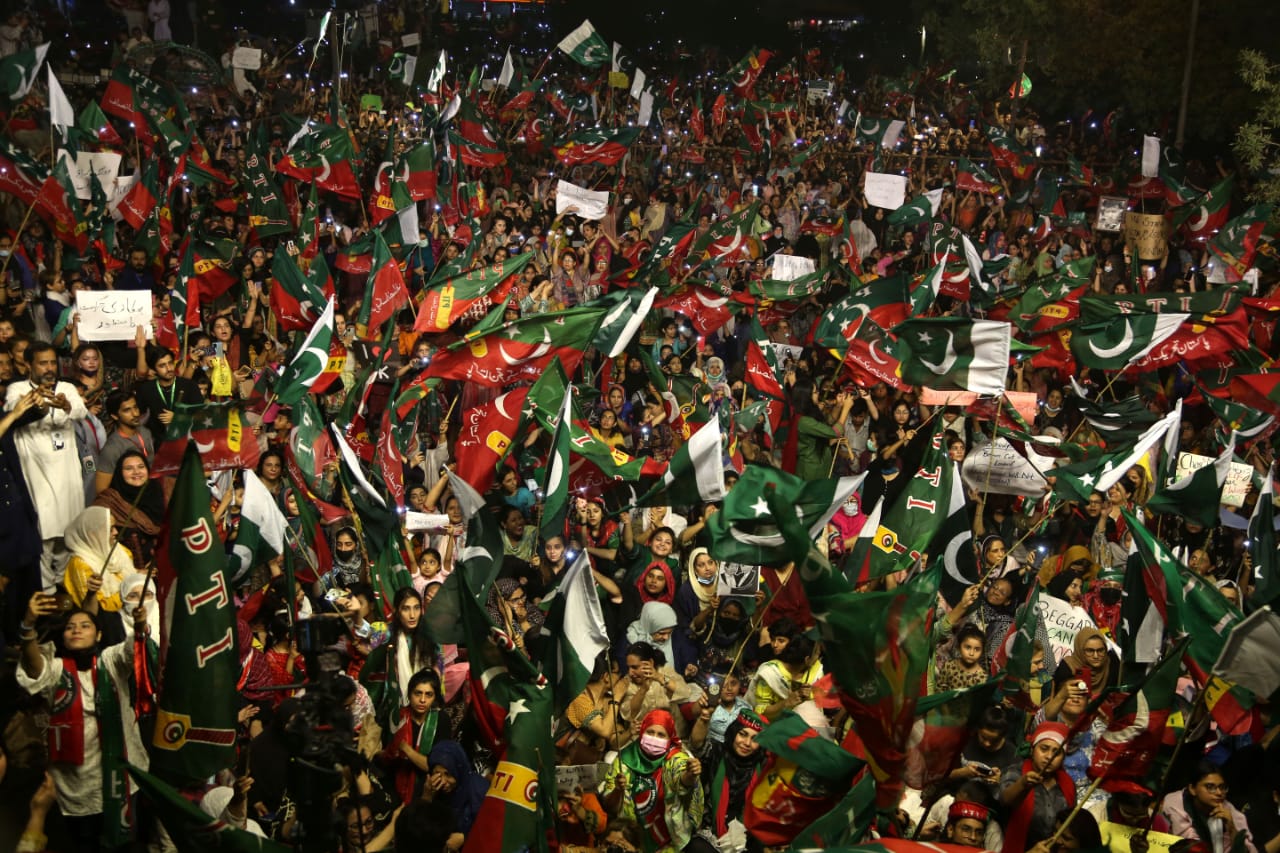
The PTI criticism came as the seventh day of the party’s long march towards Islamabad reached Charsadda. Khyber Pakhtunkhwa Information Minister Shafi Jan said Chief Minister Sohail Afridi would address party workers as the convoy moved from Charsadda to Mardan and would stay overnight there, The Express Tribune reported. Afridi has directed party workers to reach Swabi by 12 October and to announce the next stage from there on 13 October.
Pakistan Peoples Party Chairman Bilawal Bhutto-Zardari, in a speech in Karachi, urged PTI to abandon “extremist” politics. Bilawal said the proposal covers 12 districts, including the former FATA merged districts, and that the federal government may also “assume key powers in the province”. He said Articles 232 to 234 of the Constitution were under consideration, but that governor’s rule would be “the last resort”, Geo News reported.
What the 12-district plan covers
According to sources cited by The Express Tribune, the federal government’s plan — initially proposed for two months, extendable — would impose an emergency in 12 districts comprising eight merged tribal districts and four settled districts. The eight merged districts are Khyber, Kurram, Orakzai, Bajaur, Mohmand, North Waziristan, South Waziristan and Lower Waziristan. The four settled districts are Dera Ismail Khan, Tank, Bannu and Lakki Marwat, The Express Tribune reported.
Under the proposal, a secretariat headed by a Grade 21 secretary would be set up alongside a Grade 21 police officer, with four to six additional administrative officers responsible for administration, finance, development and planning. The officers would be appointed directly by the federal government. The deputy commissioners, district police officers and the relevant additional inspector general of police of the 12 districts would report to the secretariat rather than to the provincial government, The Express Tribune reported.
A federal government source separately told Geo News that the Centre may opt for a “cocktail of measures” rather than relying exclusively on either emergency or governor’s rule, Geo News reported.
Why PTI calls it an 18th Amendment violation
The 18th Amendment, passed in 2010, devolved wide-ranging administrative and fiscal powers to the provinces. PTI’s argument, articulated by Yousafzai on 10 October, is that an emergency in which officers in 12 districts are appointed by and report to a federal-led secretariat — and not to the elected provincial government — would re-centralise powers that the 18th Amendment places in the province, The Express Tribune reported. The federal government has argued that the PTI-led provincial government has failed to contain militant violence, Geo News reported.
Constitutional context: Articles 232 and 234
Article 232 permits the president to proclaim a state of emergency where a grave emergency exists in which the security of Pakistan, or any part of it, is threatened by war, external aggression or internal disturbance beyond the power of the provincial government to control. Such a proclamation does not, by itself, suspend the provincial assembly. Article 234 deals with a failure of constitutional machinery in a province and permits governor’s rule, which can include suspending the provincial assembly. The two articles have different consequences, Geo News reported. KhabarWire’s 30 September report noted that any proclamation would require a report from the provincial governor and a joint sitting of parliament.
Where the long march goes next
The march, led by Afridi, set off from Gandi Chowk in Lakki Marwat on 4 October after government-PTI talks collapsed, KhabarWire reported. The convoy moved through Peshawar and Charsadda over the following days. Khyber Pakhtunkhwa Governor Faisal Karim Kundi agreed in a 4 October meeting with Interior Minister Mohsin Naqvi to play his part if emergency or governor’s rule were deemed necessary, KhabarWire reported.
The march would travel from Charsadda to Mardan on day seven, stay overnight, reach Swabi on Sunday, and Afridi would announce the next stage on 13 October, The Express Tribune reported.
Why it matters
The 10 October development converts the federal government’s emergency signalling — first aired publicly on 30 September and tied to the 5 October talks collapse — into a specific, named, district-level proposal. The Centre has identified 12 districts, named the secretariat structure that would sit above the elected provincial government, and set an initial two-month duration. PTI’s rejection on 18th Amendment grounds signals that the emergency route would also provoke a constitutional challenge from the ruling PTI government in Khyber Pakhtunkhwa. The standoff is inseparable from the unresolved counterterrorism dispute: the 5 October talks collapsed over who owns counterterrorism operations in K-P, and the 10 October plan reflects that same dispute.
What is still uncertain
- No emergency has yet been proclaimed under Article 232. Tariq Fazal Chaudhry told media on 9 October that the matter of any decisive meeting “is not final, nor has it been notified”, Pakistan Today reported.
- The “cocktail of measures” framing leaves open whether the Centre will opt for emergency, governor’s rule, a combination, or neither, Geo News reported.
- The proposed secretariat structure is contingent on a federal decision.
- The march route beyond 12 October (Swabi) is not publicly decided; whether the convoy will be allowed to enter Islamabad’s limits remains open.
- Bilawal Bhutto-Zardari’s reference to governor’s rule as the “last resort” is a PPP position, not a federal decision.
Sources & reporting notes
This is a synthesis of published reporting, not eyewitness reporting. Sources were reviewed on 10 October 2026 (Asia/Karachi). The 12-district composition, the secretariat structure and PTI's 18th Amendment objection are taken from The Express Tribune. The "cocktail of measures" framing and the constitutional distinction between Article 232 and Article 234 are taken from Geo News, citing The News International. Pakistan Today reports the 9 October Tariq Fazal Chaudhry remarks and the K-P governor's challenge to marchers. KhabarWire's 30 September and 5 October reporting provides the constitutional and talks-collapse context.
- Primary source — The Express Tribune: "PTI terms proposed emergency in 12 K-P districts violation of 18th Amendment as long march enters seventh day"Published 10 October 2026 · The 12-district composition, the secretariat structure, the two-month duration, PTI spokesperson Shaukat Yousafzai's 18th Amendment objection, and the day-seven route plan from Charsadda to Mardan and then Swabi.
- Independent source — Geo News: "Bilawal urges PTI to shun 'extremist' politics as govt 'weighs' KP emergency, governor's rule"Published 10 October 2026 · PPP Chairman Bilawal Bhutto-Zardari's Karachi remarks, the 12-district scope including former FATA merged districts, and the consideration of Articles 232 to 234 of the Constitution.
- Independent source — Geo News (The News International): "Centre weighs 'cocktail of constitutional measures' for KP: sources"Published 9 October 2026 · The "cocktail of measures" framing, the constitutional distinction between Article 232 (emergency) and Article 234 (governor's rule), and the federal government's previous public signalling on emergency in Khyber Pakhtunkhwa.
- Independent source — Pakistan Today: "'Rhetoric' intensifies as Centre, PTI 'trade accusations' amid deepening political standoff"Published 10 October 2026 · Federal Minister Tariq Fazal Chaudhry's 9 October remarks that the federal government's deliberations on emergency in K-P are complete, and the K-P governor's challenge to the marchers on 9 October.
- Context — KhabarWire: "Federal government 'seriously considering' emergency in KP under Article 232, says Tariq Fazal Chaudhry"Published 30 September 2026 · The initial Article 232 framing and the constitutional requirements for any emergency proclamation, distinct from the 10 October 12-district proposal.
- Context — KhabarWire: "PTI long march sets off for Islamabad after government talks collapse"Published 5 October 2026 · The launch of the long march from Lakki Marwat on 4 October, the collapse of government-PTI talks, and the K-P governor's 4 October statement on emergency and governor's rule.