What happened
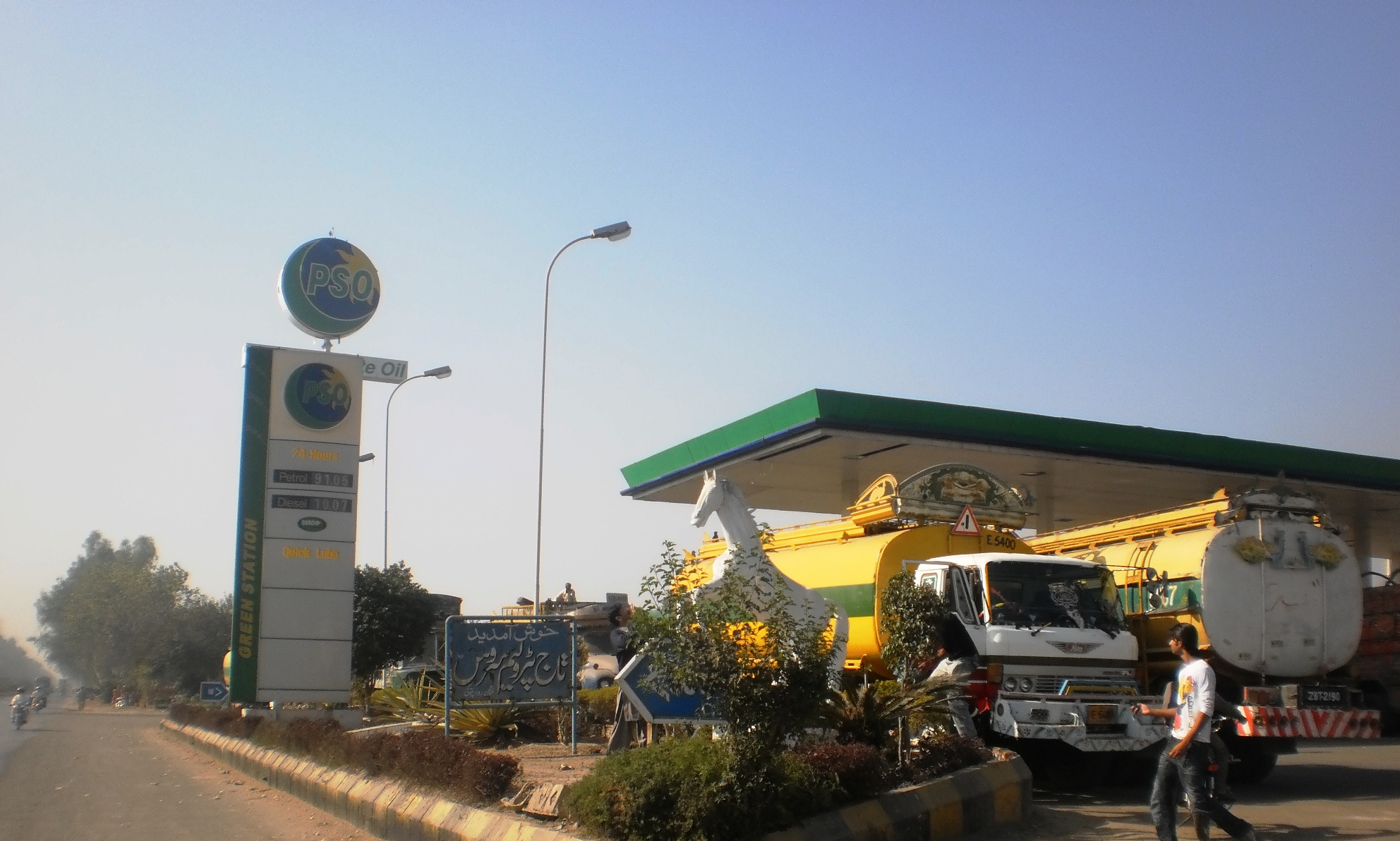
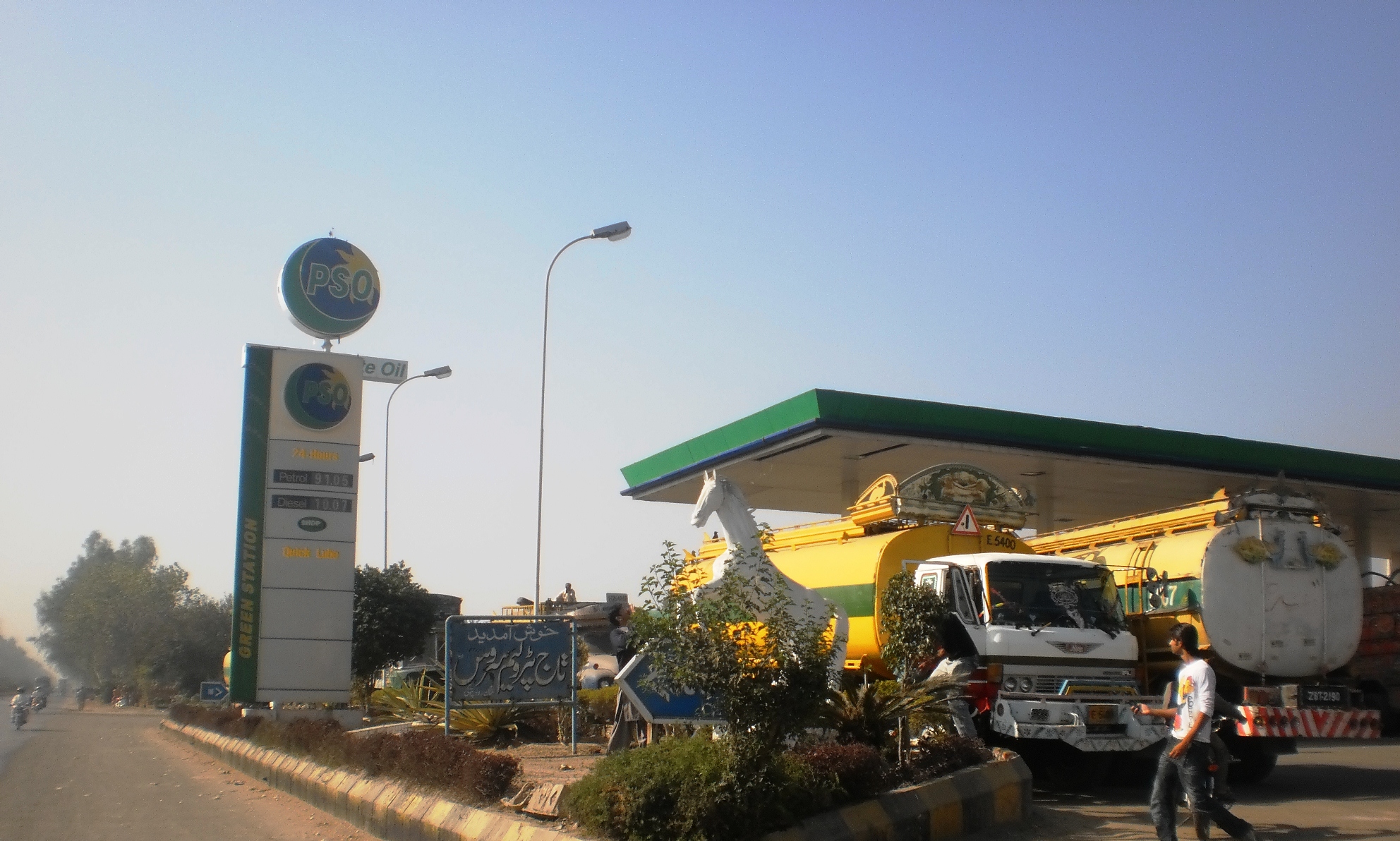
Prime Minister Shehbaz Sharif announced an immediate Rs80 per litre reduction in the petroleum levy on petrol in a late-night televised address on Friday, cutting the pump price to Rs378 per litre from Rs458, Pakistan Today reported.
The revised price took effect at 12am on Saturday, 4 April. It came less than a day after the government had raised the ex-depot price of petrol by Rs137.23 per litre, or 42.7 per cent, to Rs458.41 from Rs321.17. High-speed diesel rose Rs184.49 per litre, or 55 per cent, to Rs520.35 from Rs335.86, and kerosene rose Rs34.08 to Rs457.80, the report said.
The prime minister said the reduction would remain in place for at least one month and apply nationwide. Diesel was not reduced. He described the global energy shock as a “harsh reality”, saying the government had tried to shield consumers from the daily rise in international oil prices for three weeks and that the surge was “dimming the kitchen fires of the poor”.
Why it matters
The two moves in under 24 hours laid bare the strain the US-Israel war on Iran has placed on Pakistan’s public finances, which had already absorbed about Rs129 billion in fuel subsidies before passing on the increase. Because the cut came from the levy rather than the base price, it preserves the ex-depot price while trimming government revenue, and leaves diesel — the fuel that drives freight, farming and electricity generation — at its record level.
Alongside the price change, Prime Minister Shehbaz announced a package aimed at the groups most exposed to transport costs. Motorcycle users will receive a subsidy of Rs100 per litre, small trucks Rs70,000, large trucks Rs80,000 and public transport buses Rs100,000 for one month under a goods-transport subsidy, while small farmers will get Rs1,500 per acre. Economy-class Pakistan Railways fares were frozen, and the government said the measures would also apply in Gilgit-Baltistan and Azad Jammu and Kashmir.
The prime minister also extended a decision by federal cabinet members to forgo their salaries from two months to six, with the money to be deposited in the national exchequer. He credited the four provincial chief ministers for committing resources and framed the response as a matter of “national unity, cohesion and consensus”.
What is still uncertain
It is not clear how the motorcyclist, farmer and transporter subsidies will be administered, or whether the levy reduction can be sustained beyond a month if global oil prices stay elevated. The government gave no figure for the revenue forgone through the Rs80 levy cut, and diesel buyers received no immediate relief. Because the levy is a central fiscal instrument in Pakistan’s International Monetary Fund programme, the duration of the cut will be watched for its effect on revenue targets.
Sources & reporting notes
This is a synthesis of published material, not eyewitness reporting. Sources were reviewed on 2026-04-04.
- Pakistan Today — "'Relief after shock hike': PM cuts petrol levy by Rs80, price down to Rs378 per litre"Published 4 April 2026 · The late-night address, the Rs80 levy cut to Rs378 from Rs458, the prior 42.7% petrol and 55% diesel hike, kerosene, the Rs129bn subsidy, the motorcycle/farmer/transporter relief package and the six-month cabinet salary surrender.
- Radio Pakistan — "PM announces Rs80 per liter reduction in petrol price"Published 4 April 2026 · Confirms the new Rs378 price, the one-month duration, the Rs100/litre motorcycle subsidy and the cabinet salary decision.