Reporting snapshot · 15 October 2026 (Asia/Karachi). Pakistan and Russia announced the outcomes of their 14 October interior-ministry talks in Islamabad. Neither government has published the text of the extradition treaty, the criminal-exchange agreement or the signed memorandum of understanding, so the scope and the timetable of each remain unverified.
What happened
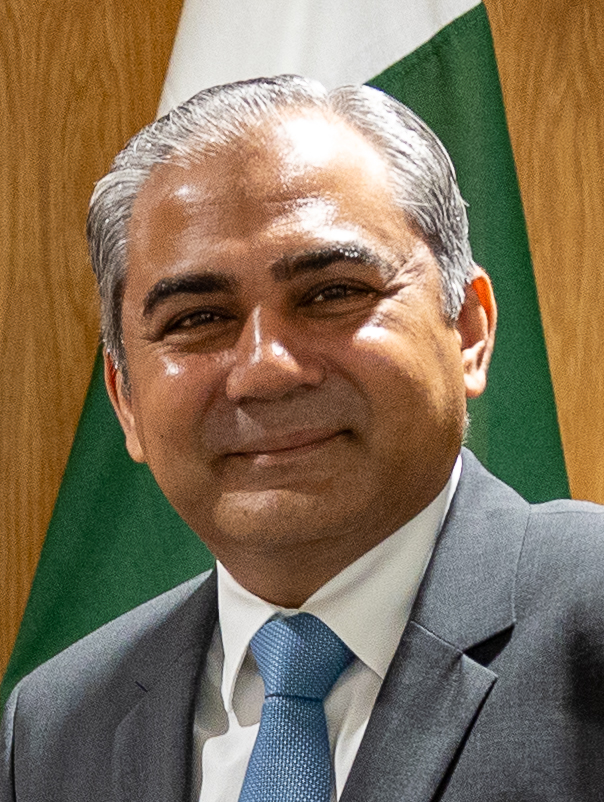
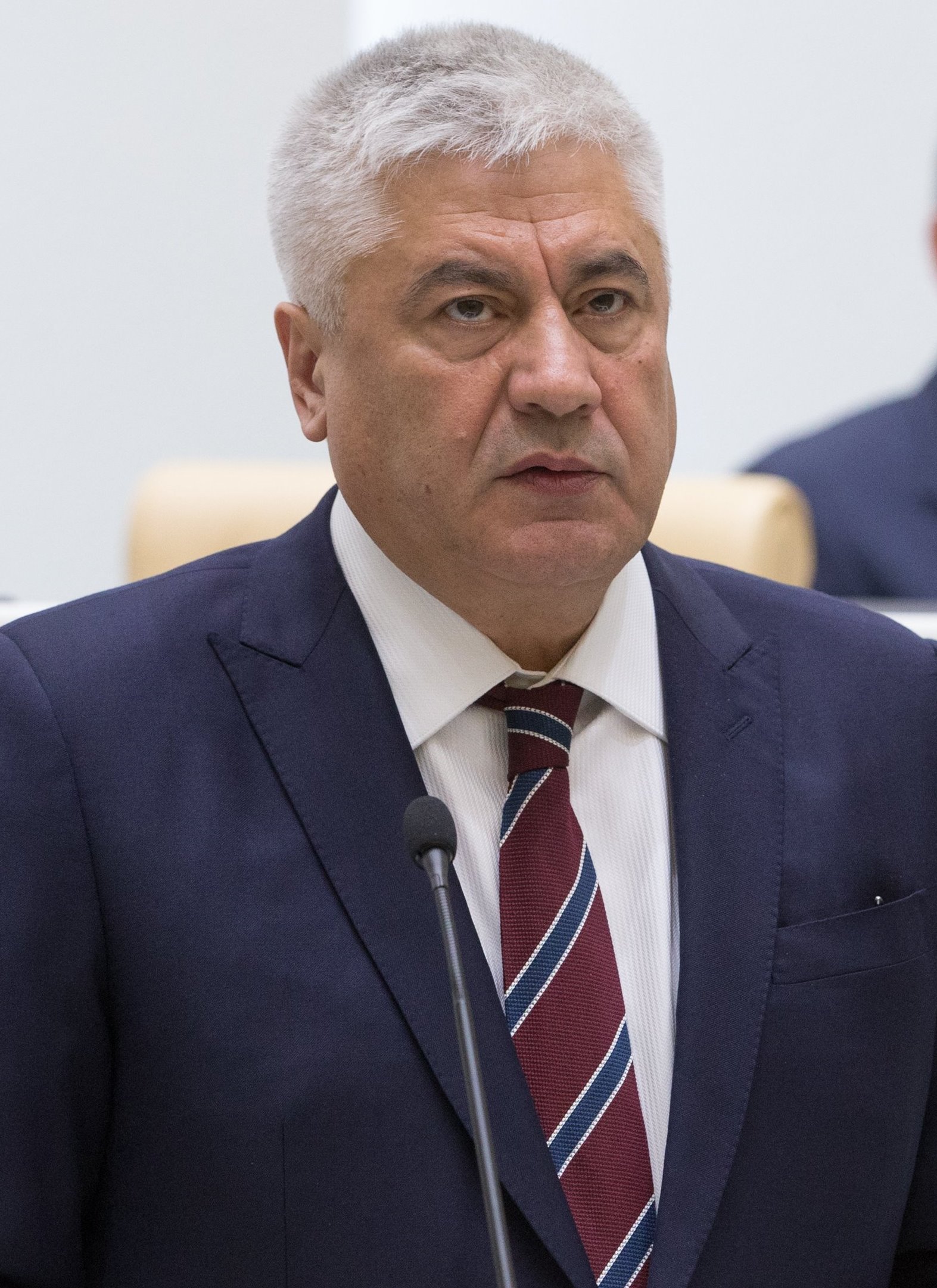
Pakistan and Russia agreed on Wednesday 14 October to finalise an extradition treaty and a separate agreement on the exchange of criminals, and pledged to sign a memorandum of understanding on cooperation against organised crime, during talks in Islamabad led by Interior Minister Mohsin Naqvi and his Russian counterpart, Vladimir Kolokoltsev, Dawn reported.
The understandings followed a meeting between the two interior ministers and delegation-level talks, The Express Tribune reported. According to Pakistan’s interior ministry, the two sides agreed to finalise the extradition treaty and the criminal-exchange pact, and to ensure the early implementation of a readmission agreement. They also decided that working groups from both interior ministries would exchange visits.
Russia’s Interior Ministry gave the meeting a formal result of its own. Its press service said Kolokoltsev and Naqvi signed a memorandum of understanding “on strengthening cooperation in combating transnational organised crime” in the presence of Prime Minister Shehbaz Sharif, and it published the announcement on its official media service. The Russian account said the two ministries agreed to take law-enforcement cooperation “to a new level” and to give it practical content.
The visit was the first to Pakistan by any Russian interior minister. Kolokoltsev arrived on Monday 12 October for a four-day stay, as KhabarWire reported when the trip began.
Beyond the law-enforcement file, the two sides set out a wider agenda. According to the interior ministry statements, they agreed to strengthen cooperation between Pakistan’s Anti-Narcotics Force and Russian agencies, and between Pakistan’s National Police Academy and the Russian Police Academy, on preventing cybercrime. They discussed sending skilled Pakistani manpower to Russia, easing the visa regime for tourists and business travellers, and raising the number of Pakistani students in Russia above the current 1,300.
Kolokoltsev said Russia had cut cybercrime by 33 per cent through what he described as effective measures, and argued that joint action was needed against “all organised crime, including terrorism, drug smuggling and illegal migration”. Naqvi said the organised-crime memorandum would be “an important milestone” in cooperation between the two countries.
Why the agreements matter
The visit ran along several tracks at once. Kolokoltsev met Prime Minister Shehbaz Sharif, who, according to the Prime Minister’s Office, underscored the need to expand cooperation in trade, investment and energy, and to make “effective use” of existing bilateral mechanisms. The visiting minister said there was “significant potential” for expanding economic ties, and thanked Pakistan for supporting Russian initiatives at the United Nations and other forums.
At General Headquarters in Rawalpindi, Kolokoltsev met the Chief of Defence Forces and Chief of Army Staff, Field Marshal Asim Munir. The military’s media wing, Inter-Services Public Relations, said the two discussed the regional security environment and “the importance of closer institutional linkages and improved coordination between the security institutions of Pakistan and Russia”, Geo News reported. Munir reaffirmed Pakistan’s resolve to deepen ties with Moscow “particularly in the security domain”. Kolokoltsev also met Deputy Prime Minister and Foreign Minister Ishaq Dar, with whom he discussed trade, investment, culture, tourism and the Shanghai Cooperation Organisation.
For Pakistan, the value of the package lies in the criminal-justice and border-management files. An extradition treaty would give both governments a standing legal channel to return suspects; a prisoner-transfer agreement would let convicted nationals serve sentences at home; and a readmission agreement governs the return of nationals who are in another country without permission to stay. All three are the kind of instrument that interior ministries, rather than foreign ministries, operate day to day, which is why a meeting of the two interior ministers — not a summit — produced them.
The deals also fit a pattern in Pakistan–Russia relations that has run mostly through other channels. The two countries cooperate in the Shanghai Cooperation Organisation, where Russia’s interior ministry linked the next phase of law-enforcement cooperation to Pakistan’s forthcoming chairmanship, and Russia hosted the Moscow Format on Afghanistan this month, where the Pakistani and Afghan delegations failed to agree on a joint statement, as KhabarWire reported. Suspending the usual political disagreements and delivering on policing, extradition and migration is what the interior-ministry track is meant to achieve.
What is still uncertain
The most important gap is documentary. Neither side has published the drafts or texts of the extradition treaty, the criminal-exchange agreement or the signed organised-crime memorandum, so it is not yet possible to say what offences they cover, what legal tests or safeguards they contain, or how quickly they might be signed and ratified. The interior ministry statement described intentions and commitments, not a completed treaty.
The readmission agreement, which Pakistan and Russia have discussed since at least June 2026 as a way to improve visa arrangements, is the element that carries the most consular and human-rights sensitivity. Its operational terms — who can be returned, on what evidence, and with what appeal rights — have not been published, and readmission arrangements can raise protection questions that a single ministerial visit rarely settles.
It is also unclear when the new working groups will meet, what their mandates are, and whether the two governments will publish the agreements they say they will finalise. KhabarWire will update this article if either side releases the texts or a signing date.
Sources & reporting notes
This is a synthesis of published reporting and official statements, not eyewitness reporting. The account of what was agreed on 14 October is drawn from the Dawn and Express Tribune reports of the Pakistani interior ministry's statements, from Inter-Services Public Relations remarks carried by Geo News, and from the Russian Interior Ministry's own media service, which confirms the signing of the organised-crime memorandum and the meeting with the prime minister. No text of the extradition treaty, the criminal-exchange agreement or the memorandum had been published when this was written. Sources were reviewed on 15 October 2026 (Asia/Karachi).
- Primary source — Russian Ministry of Internal Affairs media service: meeting with Prime Minister Shehbaz Sharif and the signing of the memorandumPublished 14 October 2026 · The official Russian account stating that Kolokoltsev and Naqvi signed a memorandum of understanding on combating transnational organised crime, and Kolokoltsev's description of Pakistan as an important Russian foreign-policy partner in Asia.
- Independent source — Dawn: "Pakistan, Russia agree to finalise extradition treaty"Published 15 October 2026 · The agreement to finalise an extradition treaty and a criminal-exchange pact, the signed organised-crime memorandum witnessed by the prime minister, the readmission agreement, anti-narcotics and cybercrime cooperation, and the separate meetings with the prime minister, the army chief and the foreign minister.
- Independent source — The Express Tribune: "Pakistan, Russia to deepen security ties"Published 15 October 2026 · The interior ministry statements on finalising the extradition treaty, the promised organised-crime memorandum, early implementation of the readmission agreement, the planned working-group exchanges, visa facilitation, skilled labour and the 1,300 Pakistani students in Russia.
- Independent source — Geo News: "CDF Munir reaffirms Pakistan's resolve to deepen longstanding ties with Russia"Published 14 October 2026 · The Inter-Services Public Relations account of Kolokoltsev's meeting with Field Marshal Asim Munir at General Headquarters and the emphasis on closer institutional linkages and security cooperation.
.jpg)