The concern
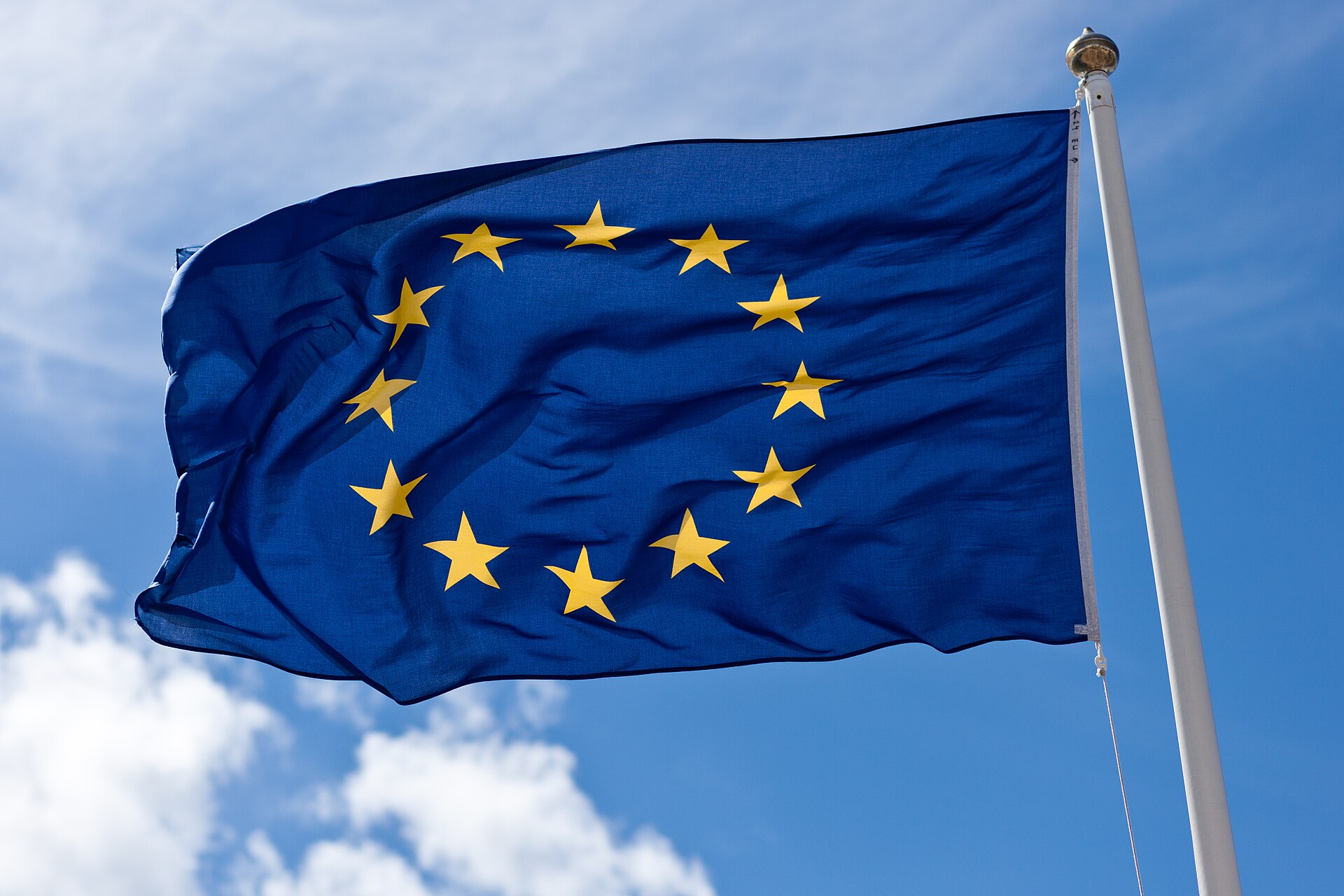
Pakistani exporters and analysts said the European Union’s free trade agreement with India would pose serious challenges to Pakistan’s export base, warning that it could erode the country’s competitive edge in European markets. Dawn reported the concerns on 30 January 2026 under the headline that the EU-India deal was “a wake-up call” for exporters.
Saquib Fayyaz Magoon, chairman of the Businessmen Panel Progressive and vice president of the Federation of Pakistan Chambers of Commerce and Industry (FPCCI), cautioned that the agreement could erode Pakistan’s competitive edge in European markets. He noted that despite Pakistan’s GSP Plus status, which allows duty-free access for nearly 80 per cent of its exports to the EU, the country’s textile exports stand at $6.2 billion, marginally ahead of India’s $5.6 billion, even though India faces a 12 per cent tariff.
“Once India secures zero-rated access under the EU deal, Pakistan’s advantage will vanish and our exports could suffer a severe blow,” Magoon warned. He said Pakistan could lose its foothold in the European market if urgent corrective measures were not taken. “Once a market is lost, regaining entry becomes extremely difficult,” he said.
What exporters are demanding
Magoon called for reducing the power tariff to nine cents per unit, simplifying the tax regime and offering incentives to exporters. “The government must declare an export emergency and adopt industry-friendly policies to safeguard the country’s economic interests,” he said. Drawing a parallel with military success, he said the business community now needed government support to win “this economic war”.
A representative of JS Global said the EU and India had concluded the agreement after two decades of negotiations, with the result that India’s textile and garment products would now “enjoy a reduction, or even elimination of tariff altogether, in EU states”. India’s textile and garment exports are currently subject to an eight to 12 per cent tariff under the GSP regime, while Pakistan enjoys zero tariffs under GSP Plus, the report said.
With the FTA in place, Pakistan is likely to lose an advantage that was “already thin”, as India benefits from higher value addition and vertical integration, JS Global said. The company said the deal could hit Pakistan’s exports, 24 per cent of which go to the EU, the top destination for textile exports after the United States.
Industry warnings
Faisal Arshad, who heads the Pakistan Hosiery Manufacturers and Exporters Association, said the EU-India FTA could lead to aggressive price undercutting by Indian exporters in the EU market and an erosion of Pakistan’s market share in hosiery, knitwear and value-added garments, with knock-on pressure on export margins, employment and sector sustainability.
He cautioned that Pakistan’s reliance on GSP Plus alone was no longer sufficient. “Tariff-free access without recognition of compliance and cost burdens creates an uneven playing field,” he said, adding that Pakistan “must not be disadvantaged for adhering to international conventions while competing with countries that do not face similar obligations”. Arshad said Pakistan’s GSP Plus access carries strict conditions, including reporting on compliance with 27 international conventions on human rights, labour standards, the environment and governance.
He urged the government to take immediate corrective measures, including rationalisation of power tariffs for export-oriented industries and competitive financing and export refinancing schemes. “If India secures FTA access while Pakistan’s structural cost disadvantages remain unaddressed, our textile exports will suffer,” he said.
Sources & reporting notes
This report is based on contemporaneous coverage reviewed on 2026-01-31.
- Dawn — EU-India deal a wake-up call, say exportersPublished 30 January 2026 · Carries the exporters' and analysts' warnings about the EU-India FTA, the trade figures, and the corrective measures demanded.

.jpg)