What happened
Petroleum Minister Ali Pervaiz Malik said on Friday, 17 July 2026, that fuel prices would now be fixed on a daily basis because of fluctuations in international markets after renewed hostilities between Iran and the United States.
Speaking at a press conference in Islamabad alongside Information Minister Attaullah Tarar, Malik said the cabinet and the prime minister had given the Oil and Gas Regulatory Authority (Ogra) the responsibility of deciding prices daily based on a seven-day average of international market trends. He said prices would be adjusted to international trends without requiring approval from him, the information minister “or anyone else”, according to Dawn. Tarar said the pricing formula for daily rates would be formally published by Ogra.
Pump owners reject deregulation
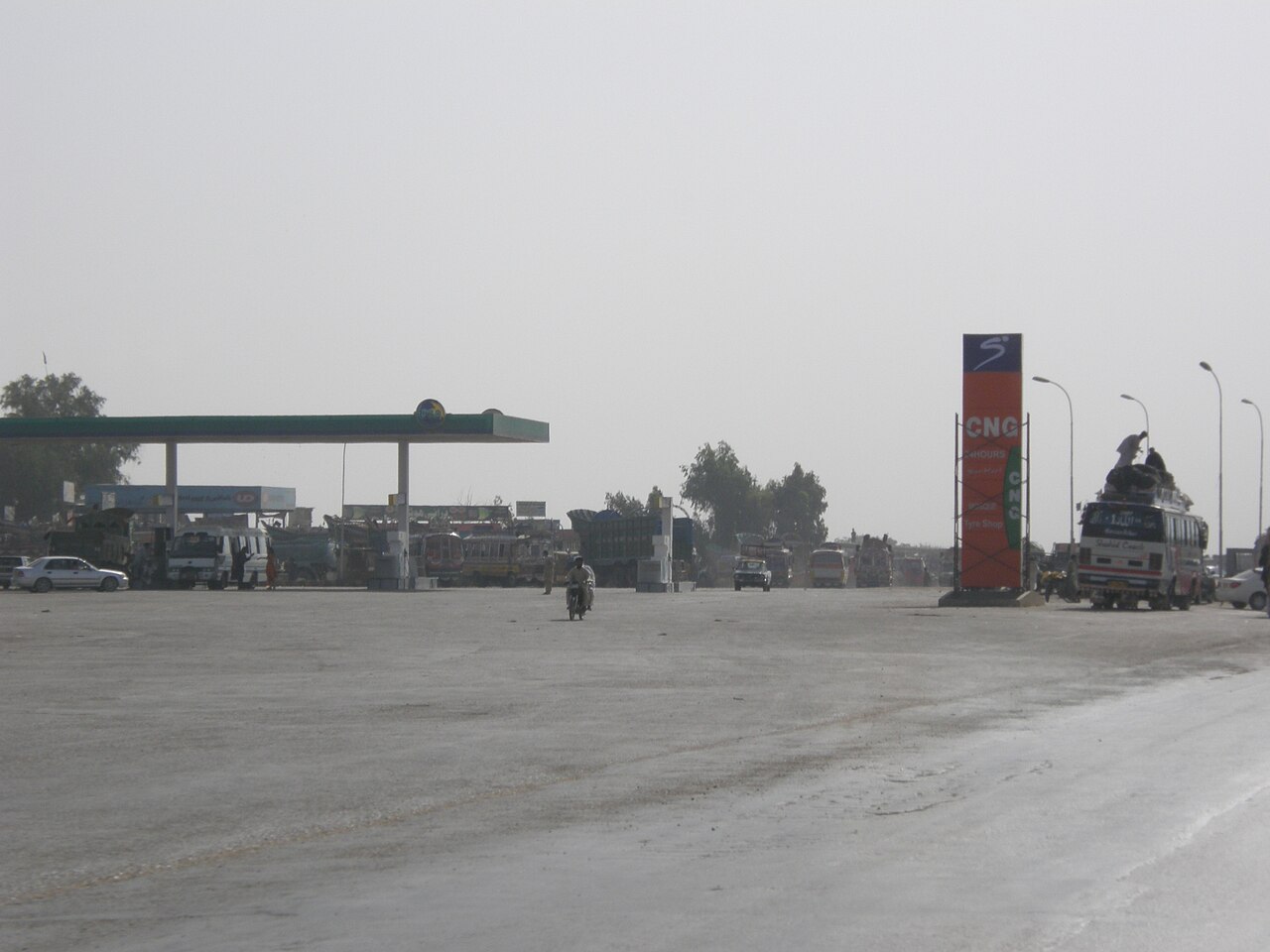
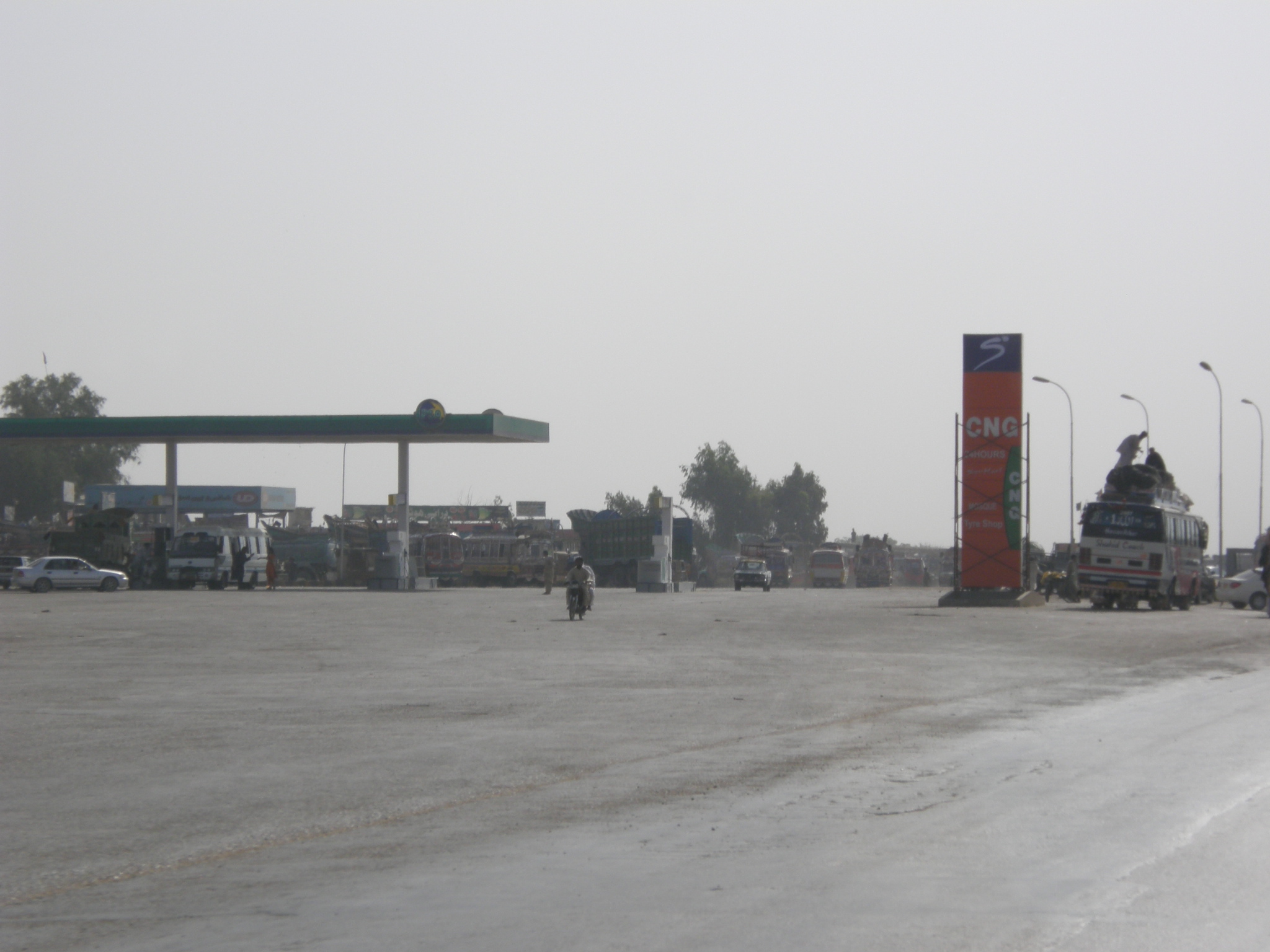
The All Pakistan Petrol Pump Owners’ Association rejected the proposed deregulation policy, warning that it would consider protests and a strike next week if the decision was not withdrawn. Association vice chairman Noman Ali Butt said the government should review its policy and not place the burden of its problems on pump owners. He noted that about 15,000 petrol pump owners across the country faced serious concerns and said the new policy would affect oil tankers, transportation and the pricing system.
Why it matters
The shift hands day-to-day price-setting to a regulator instead of cabinet-led weekly revisions. Pakistan had been announcing weekly revisions since early March, alongside fuel-conservation measures, after a possible supply disruption linked to the Middle East conflict; the federal government also announced targeted relief and subsidised fuel in April.
The renewed escalation has largely halted traffic through the Strait of Hormuz, the main shipping route for oil and gas, pushing up global energy prices. According to Dawn, the diesel price had come down from a peak of Rs520.35 a litre recorded on 3 April, and petrol from a peak of Rs458.41, after both began rising from Rs281 and Rs266 respectively in the first week of March.
The same day, the National Coordination and Management Council reviewed fuel availability. It said stocks were sufficient but directed Ogra to strengthen enforcement and provincial governments to act against hoarding, after the Oil Companies Advisory Council warned of supply-chain pressure and sought payment of outstanding price differential claims.
What is still uncertain
It was not immediately clear when the daily pricing mechanism would take effect, whether the government would adjust the petroleum levy to soften the impact, or whether the pump owners’ association would carry out its strike threat. Final retail prices would also depend on the international benchmark in the days ahead.
Sources & reporting notes
This is a summary of published reporting, not independent reporting. Details are as carried by the cited sources, which were reviewed on 2026-07-18.
- Dawn — "Govt to fix fuel prices daily due to renewed hostilities in Persian Gulf: petroleum minister"17 July 2026 · The daily-pricing announcement, Ogra's new role, the pricing formula and the pump owners' rejection.
- Dawn — "Fuel supply concerns rise as petrol cover drops to 14 days"17 July 2026 · Fuel stock levels, consumption trends, the NCMC meeting and the hoarding concerns.
- The Express Tribune — "PM cracks whip on fuel hoarders amid Gulf conflict fallout"17 July 2026 · The prime minister's directive against artificial shortages and the oil-supply review.