What happened
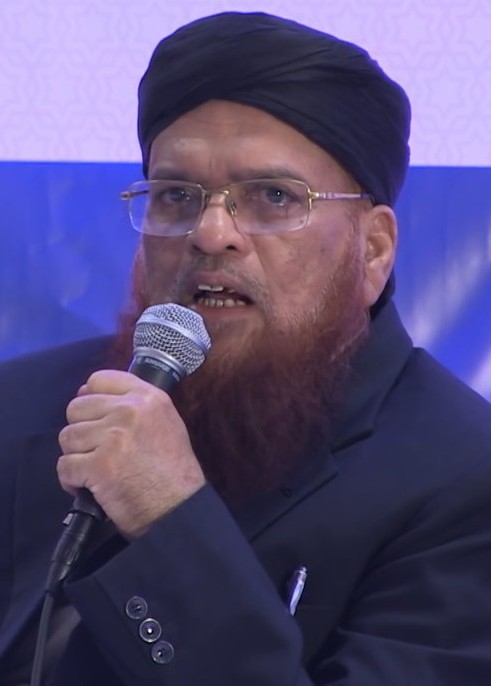
Pakistan’s top digital-assets regulator met one of the country’s most influential Islamic scholars over the weekend, seeking to contain fallout from a religious ruling that questioned the legitimacy of cryptocurrency under Shariah law as the country races to build a regulatory framework for the industry.
Bilal bin Saqib, chairman of the Pakistan Virtual Assets Regulatory Authority (PVARA), described his meeting with Mufti Taqi Usmani as a “constructive discussion” in a post on X, adding that the two were “united on one fundamental objective: protecting Pakistanis from fraud, exploitation, and financial harm.”
The fatwa
The talks followed a fatwa issued on 10 June by Usmani and six other scholars at Darul Ifta, Jamia Darul Uloom in Karachi, which found that using cryptocurrency to purchase goods was impermissible. The ruling concluded that digital tokens do not constitute “maal,” or wealth, under Islamic jurisprudence, describing them instead as merely the recording of fictitious numbers in an account — whether in the form of Tether’s USDT stablecoin or other crypto tokens. Because cryptocurrency was not recognised as wealth, the edict found, buyers using it did not legally take ownership of whatever they purchased.
The fatwa was issued in response to a question about whether the purchase of two books — one bought with a crypto token, the other with USDT — was valid under Islamic law, and separately found that an educational course bought with cryptocurrency could not be validly obtained either. Usmani serves as president of Jamia Darul Uloom Karachi and Wifaq-ul-Madaris Al-Arabia Pakistan, one of the country’s largest networks of Islamic seminaries, giving his rulings outsized influence over how observant Muslims in Pakistan view financial products even though a fatwa carries no legal force.
There was no indication that Usmani had altered his underlying position following the meeting. The fatwa holds that changing terminology — from cryptocurrency to virtual currency, token or stablecoin — does not change the underlying religious status, treating all such instruments as falling under the same prohibition.
The regulator’s position
In his X post, Saqib argued that blockchain technology, digital assets, stablecoins and tokenised real-world assets span a wide range of use cases that should not be evaluated uniformly. “They merit careful technical assessment alongside rigorous Shariah examination, rather than being viewed through a single lens,” he wrote, adding that he hoped for continued engagement between scholars, regulators and industry experts so that “Pakistan’s approach is guided by both Islamic principles and a comprehensive understanding of emerging technologies.”
Why it matters
The dispute underscores the balance Islamabad is trying to strike as it formalises what had largely been an informal, unregulated crypto economy. Pakistan ranks third globally in grassroots crypto adoption behind only India and the United States, according to Chainalysis’s 2025 Global Crypto Adoption Index, a position the firm attributes to a young, mobile-first population, one of the world’s largest freelance economies, more than $38 billion in annual remittances and growing use of stablecoins as a hedge against inflation. Saqib has previously said roughly 40 million Pakistanis are already engaged with digital assets, the bulk of it through platforms operating outside any regulatory perimeter.
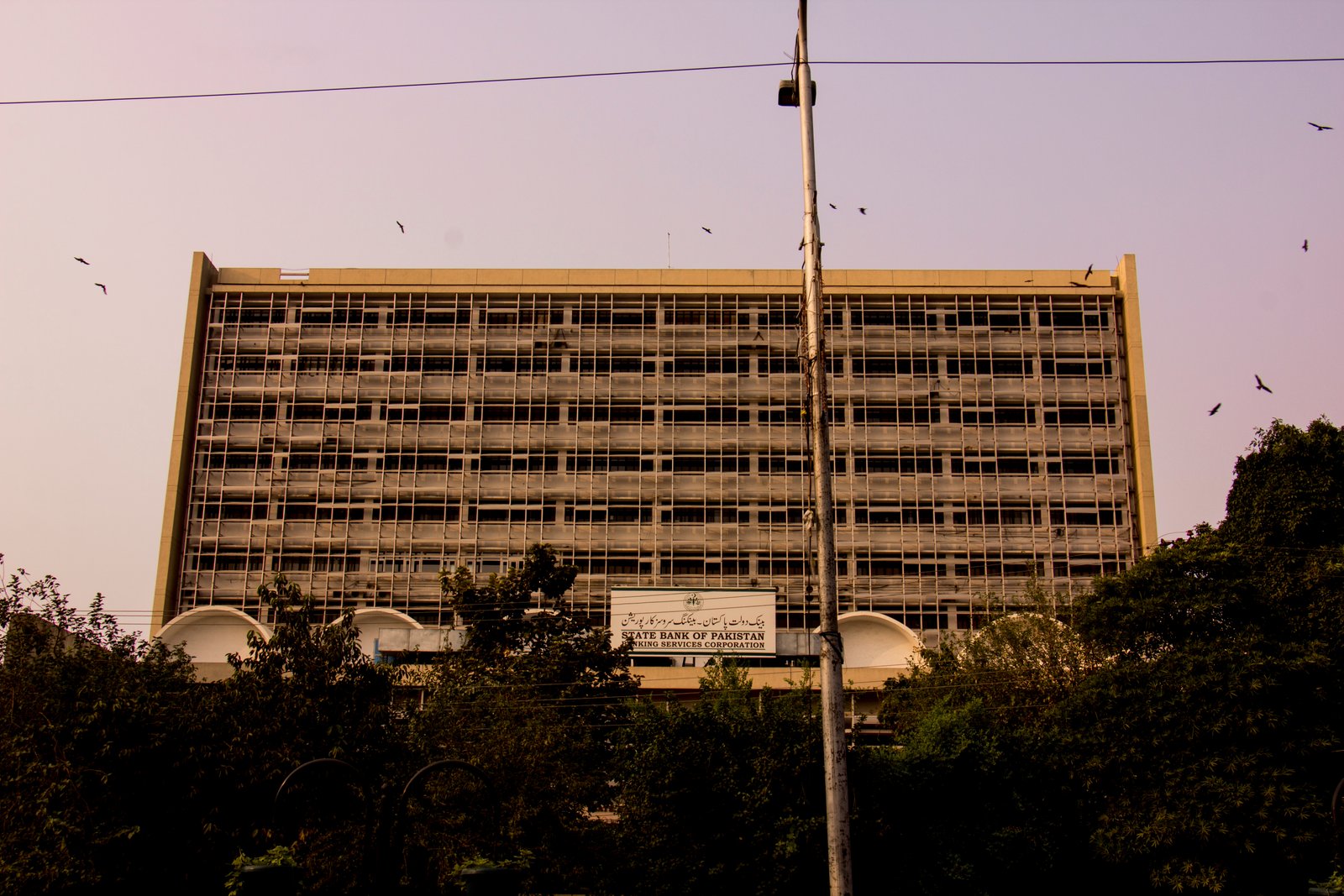
PVARA was established in July 2025 through a presidential ordinance and later given legal standing through the Virtual Assets Act 2026, which the State Bank of Pakistan enacted in April, allowing banks to open accounts for licensed virtual-asset service providers for the first time. The authority is overseen by a multi-stakeholder board that includes the State Bank governor along with the chairmen of the Securities and Exchange Commission of Pakistan and the Federal Board of Revenue. Its mandate spans curbing illicit finance, protecting consumers and encouraging Shariah-compliant innovation through regulatory sandboxes.
Saqib, who also holds the title of state minister for crypto and digital assets, has been the public face of Pakistan’s crypto ambitions since early 2025. He led the National Crypto Council, formed in February 2025, and Binance co-founder Changpeng Zhao joined as an adviser to that council in April 2025. In December, Saqib announced plans for Pakistan to launch its first stablecoin, part of a broader push to weave virtual assets into the formal economy.
Sources & reporting notes
This is a summary of published reporting, not independent reporting. Details are as carried by the cited source, which was reviewed on 2026-07-12.
- Independent Pakistan — "Pakistan's crypto regulator meets top cleric to defend digital assets push"12 July 2026 · The meeting between Saqib and Usmani, the details of the June fatwa, Pakistan's crypto adoption figures and the background to PVARA.


.jpg)