What happened
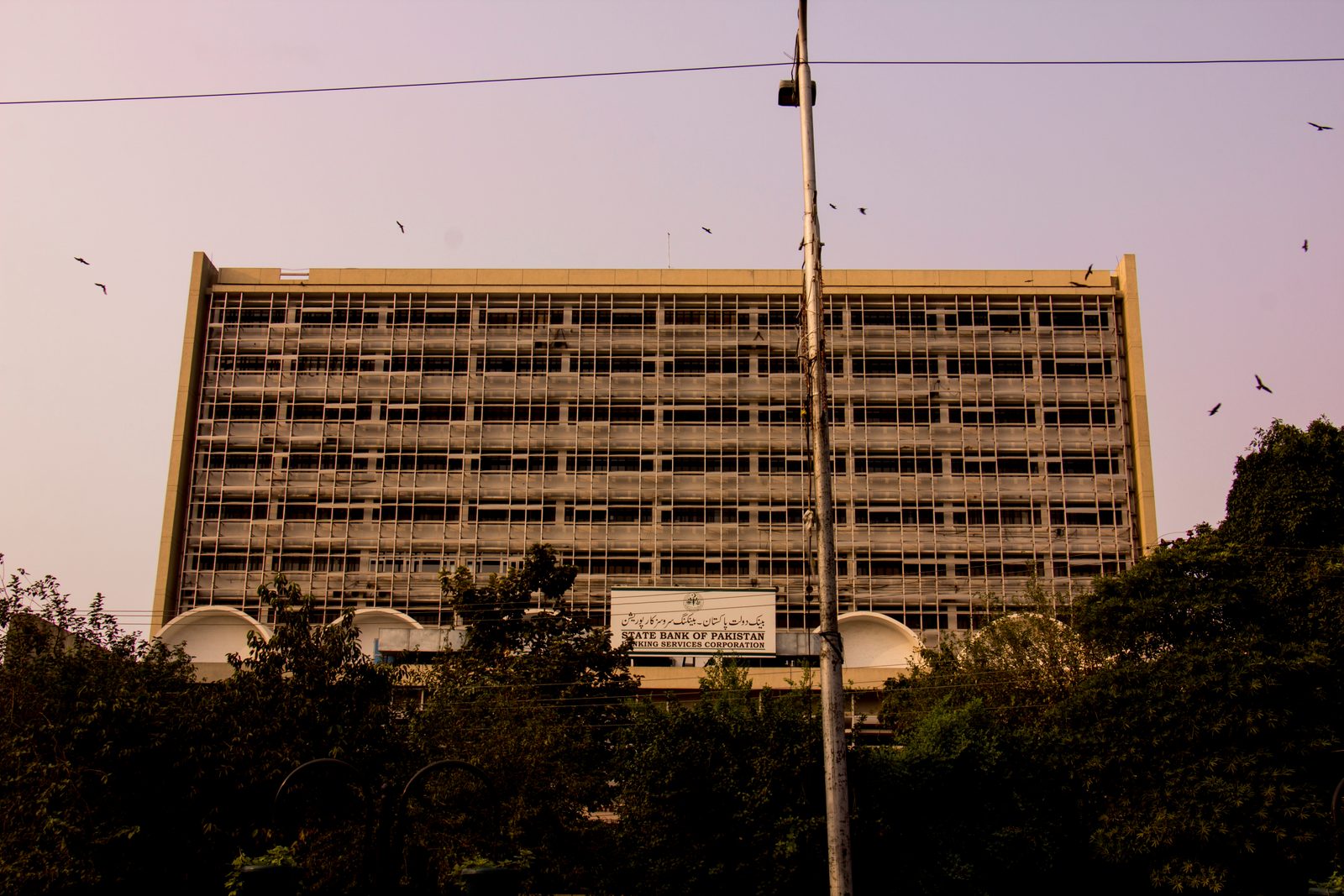
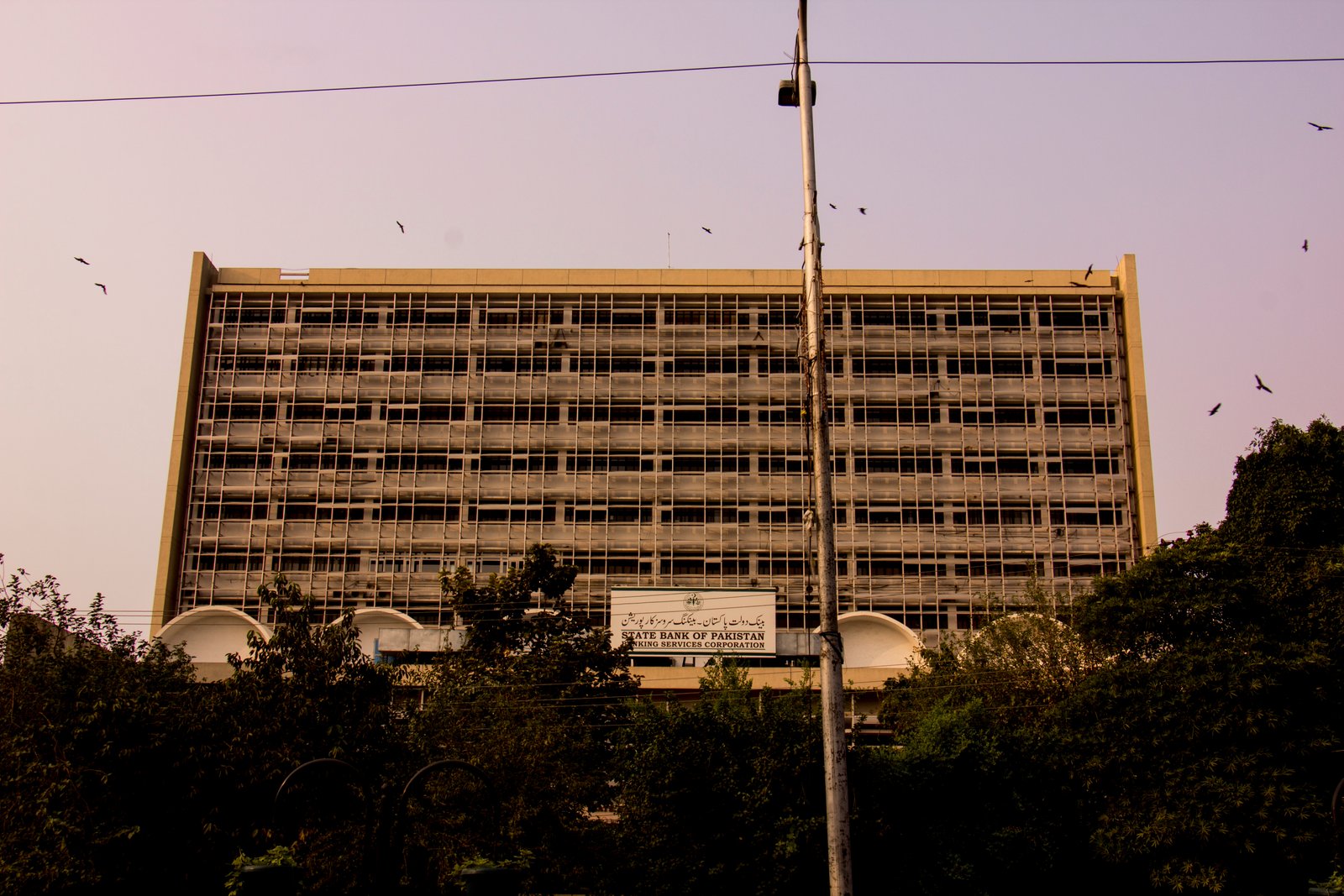
The State Bank of Pakistan has legalised and moved to regulate virtual assets under the Virtual Assets Act 2026, issuing a circular that took effect immediately and opening the way for banks to serve licensed crypto businesses.
Dawn reported that the act establishes the Pakistan Virtual Asset Regulatory Authority (PVARA) as the statutory body responsible for the licensing, regulation, supervision and oversight of virtual asset activities in the country.
Under the instructions, the SBP’s regulated entities may open bank accounts for entities duly licensed by PVARA as Virtual Asset Service Providers, subject to strict compliance. Before onboarding a provider, a bank must obtain and retain a copy of its valid PVARA licence and independently verify the licence’s authenticity with the authority.
Banks are required to open separate transactional accounts, known as client money accounts, for the settlement of a licensed provider’s authorised transactions. These accounts must be rupee-denominated and non-remunerative. Cash deposits and withdrawals are not permitted, the funds cannot be used as collateral for financing, and the SBP said strict segregation must be maintained between client money accounts and a provider’s other accounts, with commingling of funds prohibited.
The central bank also allowed banks to open limited-purpose accounts for entities holding no-objection certificates from PVARA so they can complete formalities for a licence. Additional services, including virtual-asset-related transactional activity, may be extended only once PVARA grants a licence.
Why it matters
The circular formalises a regulated channel for a sector that Pakistani banks had largely avoided because of anti-money-laundering and counter-terrorist-financing concerns. It places virtual-asset firms inside the formal banking system rather than outside it, while keeping the central bank’s compliance architecture in control.
The SBP said banks must apply customer due diligence to providers, gathering enough information to understand their business model, the activities they conduct, how they onboard customers, their customer base and the geographic markets they operate in. Banks must amend their customer risk-profiling models, risk-rate providers, monitor relationships on an ongoing basis and report suspicious transactions to the Financial Monitoring Unit under the Anti-Money Laundering Act 2010.
The central bank added a prudential limit: regulated entities may not invest, trade or hold virtual assets using their own funds or customer deposits, and an arrangement with a provider does not relieve a bank of its obligations under SBP regulations, including foreign-exchange rules.
What is still uncertain
It is not yet clear how many providers will be licensed, how quickly PVARA will process applications, or which services will be treated as permissible. The interaction between the new regime and Pakistan’s foreign-exchange controls, and the scope of consumer protection for virtual-asset users, also remain to be defined as the authority begins operations.
Sources & reporting notes
This article is a synthesis of published material, not original reporting. Sources were reviewed on 15 April 2026.
- Dawn (Shahid Iqbal) — Pakistan legalises virtual assetsPublished 15 April 2026 · The SBP circular, PVARA's establishment, the client money account rules and the AML/CFT conditions for banks.