What happened
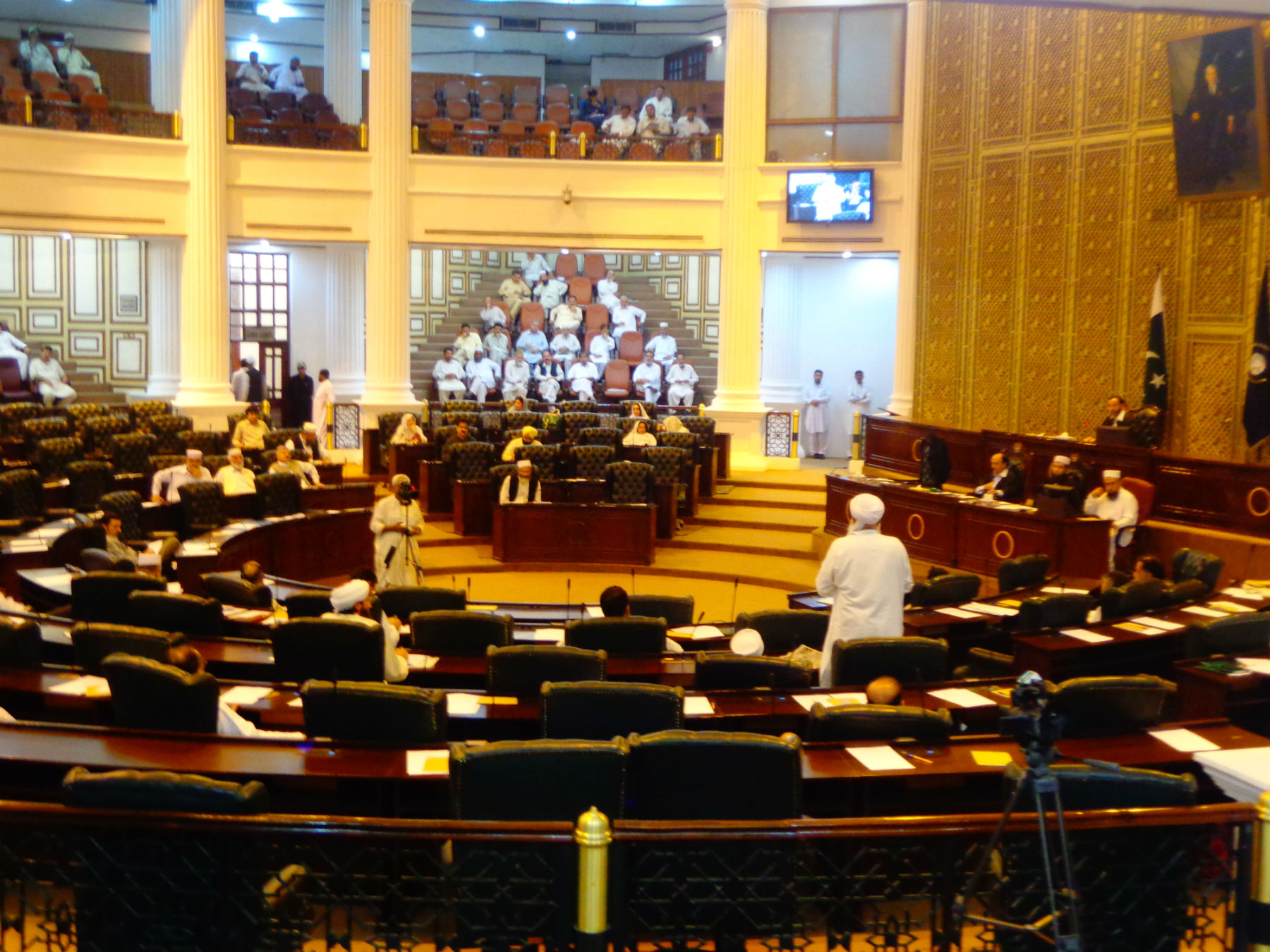
Lawmakers in the Khyber Pakhtunkhwa Assembly, most of them representing the tribal districts and the Malakand division, opposed the federal government’s move to impose taxes on the two regions and warned that they would launch protests if the decision was not reversed, Pakistan Today reported.
The objections came during a sitting on the provincial supplementary budget chaired by Speaker Babar Saleem Swati. Minister for Housing Dr Amjad Ali, of Swat, said the federal government had announced taxes for the former Federally Administered Tribal Areas (Fata) and the Provincially Administered Tribal Areas (Pata). He said the matter had not been discussed at a National Economic Council meeting and argued that regions hit by natural disasters and militancy should be given relief instead of being taxed, adding that the move went against the understanding reached when the former Swat State joined Pakistan.
Fazal Hakim, also from Swat and sitting on the treasury benches, said elected representatives would stand up for the rights of their constituents and warned that once taxes were enforced, industries could move out of the area, leaving thousands without work. Opposition leader Dr Ibadullah of Shangla said a similar proposal had been moved during the tenure of then chief minister Parvez Khattak, but protests by him and his brother, MNA Amir Muqam, had led then prime minister Nawaz Sharif to withdraw it.
PML-N lawmaker Jalal Khan also condemned the taxation plan and said he would ask the federal minister for Kashmir affairs and Gilgit-Baltistan, Amir Muqam, to seek an exemption for the tribal districts and Malakand division. ANP lawmaker Mohammad Nisar from Bajaur said the federal government had imposed taxes on the former Fata and Malakand without honouring its promise to release Rs100 billion annually for the region, and that it was not paying Rs5,000 billion to the province while the provincial government had agreed to surrender Rs109 billion. Adviser to the chief minister on industry, commerce and technical education Humayun Khan, from Dir, said people in Malakand division and the former Fata already paid billions of rupees in indirect taxes. Bajaur MPA Anwarzeb Khan said the people of the tribal districts were being treated unfairly and that the federal government had refused to recognise their share in the National Finance Commission. MPA Abdul Ghani, from Khyber, warned that protests could be staged outside Parliament House in Islamabad.
Opposition in Bajaur
In Bajaur, political leaders, parliamentarians and traders also criticised the extension of taxes to the tribal districts and Malakand division and called for the decision to be reviewed immediately. In separate statements, PML-N’s Israruddin Khan, MPAs Dr Hamidur Rehman and Anwar Zeb Khan, Bajaur Chamber of Commerce and Industry president Haji Lali Shah, Khar Traders Association president Wajid Khan, PTI’s Guldad Khan, ANP’s Gul Afzal Khan and former MNA Gul Zafar Khan described the withdrawal of tax exemptions for the former Fata and Pata as highly damaging for underdeveloped areas.
They said the tribal districts still lacked basic facilities and remained backward, making the imposition of taxes unacceptable, and argued that the government should first bring the regions at par with settled districts politically, economically and socially. They urged Prime Minister Shehbaz Sharif to withdraw the decision quickly and called on the federal government to first implement the commitments linked to the Sartaj Aziz Commission before levying taxes on residents of the tribal districts. They also claimed the government did not have the legal authority to impose taxes in the tribal districts before 2028 under the commission’s recommendations, which they said had paved the way for the merger of the tribal districts with Khyber Pakhtunkhwa through the 25th Amendment in 2018, and warned of a strong public reaction if the decision was not withdrawn.
Why it matters
Taxation of the former Fata and Pata has been a politically charged question since the regions were merged into Khyber Pakhtunkhwa. The exemptions date from an era of special constitutional treatment, and any move to end them touches on grievances about the pace of development and the delivery of promised federal funds. Because the opposition in the provincial assembly spans treasury and opposition benches and crosses party lines, the dispute sets up a confrontation between the province and the centre at a time when the federal government is under pressure to widen its tax base. The warning of protests adds a security dimension in areas that have also been affected by militancy.
What is still uncertain
The cited report did not identify the specific federal legislation or notification imposing the taxes, the rates involved or the date from which they would apply. It was not immediately clear whether the federal government would review the decision, and no response from Prime Minister Shehbaz Sharif or Finance Minister Muhammad Aurangzeb to the lawmakers’ demand was carried in the cited reporting.
Sources & reporting notes
This is a summary of published reporting, not independent reporting. Details are as carried by the cited source, which was reviewed on 2026-06-28.
- Pakistan Today — "KP lawmakers threaten protests over taxes in tribal districts and Malakand"28 June 2026 · The assembly sitting, the lawmakers' objections, the Bajaur statements and the Sartaj Aziz Commission argument.