Reporting snapshot · 19 October 2026. Officials did not give a target recovery date; details of the planned operation may change as contracts are signed and equipment is mobilised.
What happened
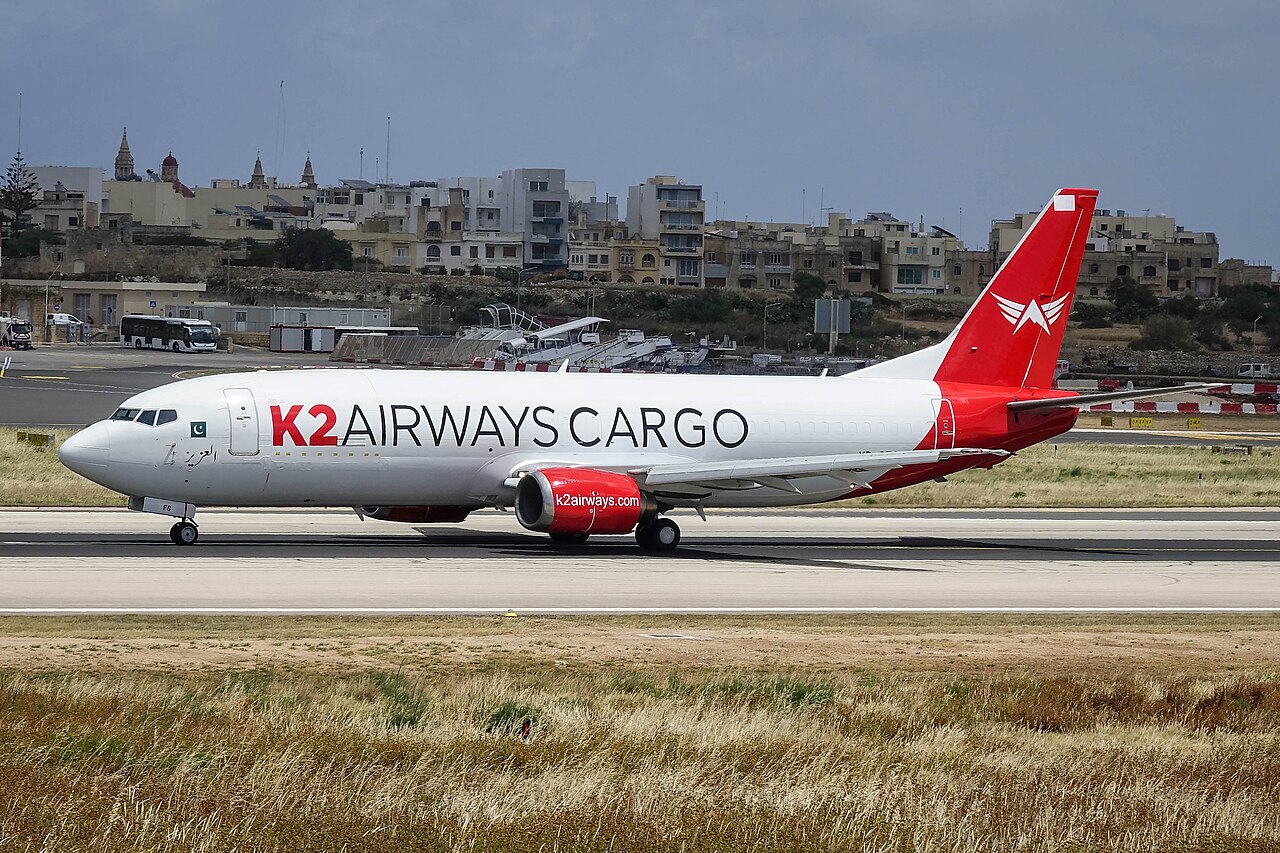
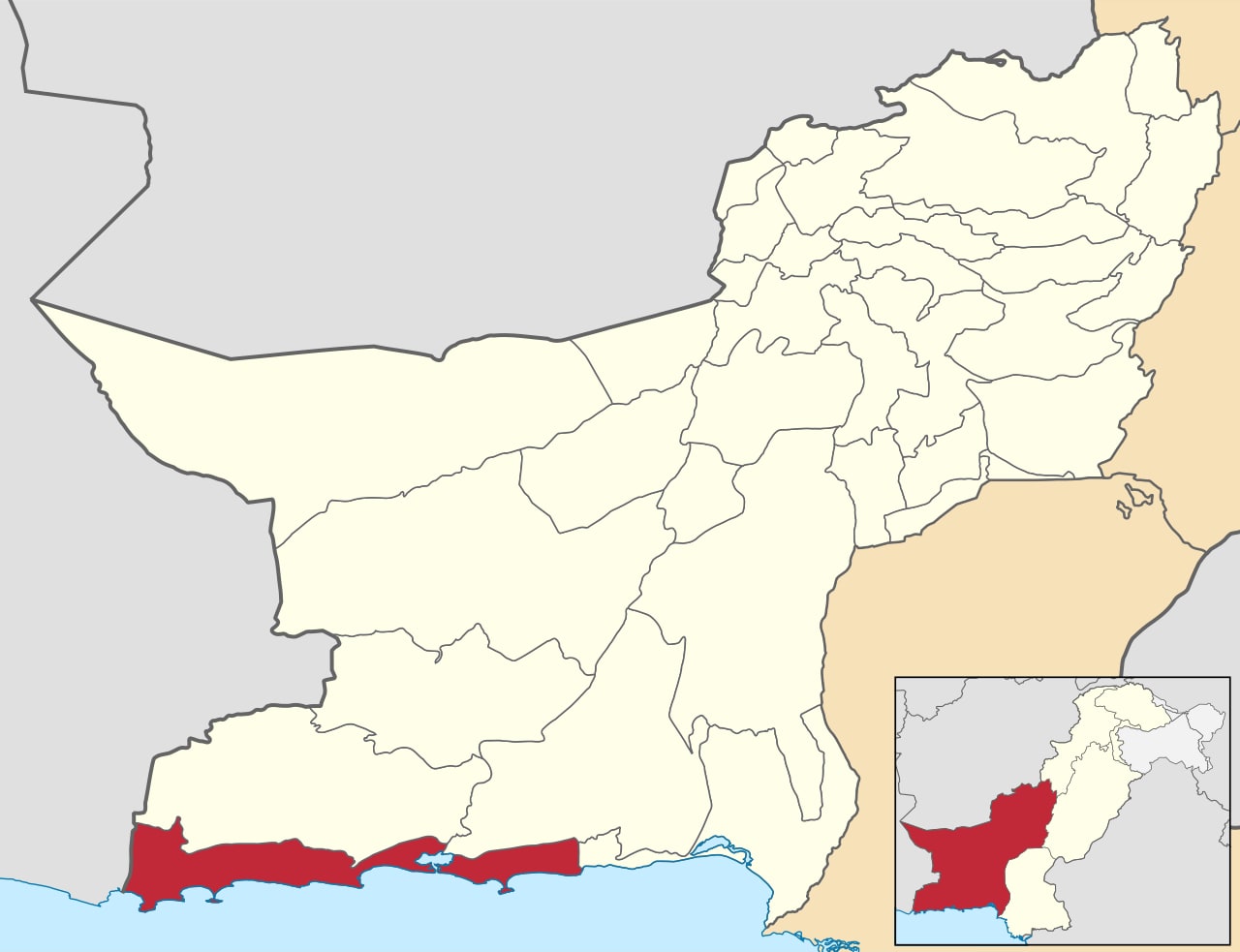
Nearly four months after a privately owned K2 Airways Boeing 737-400F plunged into the Arabian Sea off Ormara on the night of 7 July 2026, the search for its cockpit voice recorder, flight data recorder, wreckage and the five crew members has entered a new phase (see KhabarWire’s first report on the 7 July 2026 crash). Pakistan is now actively engaging international salvage teams and deep-sea technology companies to locate the recorders, according to government sources cited by The Express Tribune.
The aircraft, which was on a ferry flight from Sharjah to Karachi after repairs, disappeared from radar after a navigation system fault and a sudden loss of altitude. The navy located surface wreckage the following day, but the bulk of the fuselage, the engines and the recorders are believed to lie on the seabed about 3,000 metres below the surface, well beyond the reach of the side-scan sonar and acoustic beacons used in the first weeks of the search. The transmitter beacon fitted to the flight data recorder is reported to have stopped emitting signals about a month after the accident, leaving acoustic pings to guide the operation.
Sources told the Tribune that the government has “intensified contacts with foreign experts and several international companies” to determine how best to locate and recover the aircraft’s remains, with the focus now shifting to a more sophisticated deep-sea phase. The black-box and wreckage are described as crucial to establishing what happened in the aircraft’s final moments.
Why it matters
The change in approach acknowledges that the original Navy-led sonar effort, while it identified a likely location on the seabed, has effectively reached the limits of what divers and conventional side-scan sonar can do at 3,000 metres. Underwater robotic technology and dedicated deep-sea salvage vessels are needed to map, examine and recover objects at that depth, which lies well beyond the 600-metre depth most commercial divers can reach and the working depth of standard towed sonar.
A successful recovery would give investigators their first direct record of the cockpit and flight data from the 7 July 2026 final minutes, and would help resolve conflicting accounts of the sequence of events between the Pakistan Airports Authority, the airline, unnamed aviation sources and the Flightradar24 radar track reviewed at the time. The five crew — pilot Rizwan Idrees, first officer Faisal Mahmood, loadmaster Taufiq Khan, and engineers Zarif Siddiqui and Muhammad Hamid — have not been found.
It would also be one of the deepest commercial aircraft recoveries ever attempted in the Arabian Sea, and a test of whether Pakistan can mobilise the kind of deep-sea expertise usually only assembled for high-profile international incidents such as the search for Air France flight 447 in the Atlantic and the search for Malaysia Airlines flight 370 in the Indian Ocean.
What the new operation will involve
According to the Tribune, three streams of deep-sea technology are being lined up for the new phase, with international specialists expected to operate the equipment from a contracted support vessel.
A detailed three-dimensional map of the seabed will be prepared using a multibeam echo sounder, which can map underwater terrain, measure depths and identify potential obstructions, helping the search teams narrow the area where wreckage may lie. Autonomous underwater vehicles, or AUVs, may then be deployed to survey the seabed using sonar, cameras and other sensors. The unmanned systems can collect data and images that help identify suspicious objects and pinpoint areas requiring closer inspection.
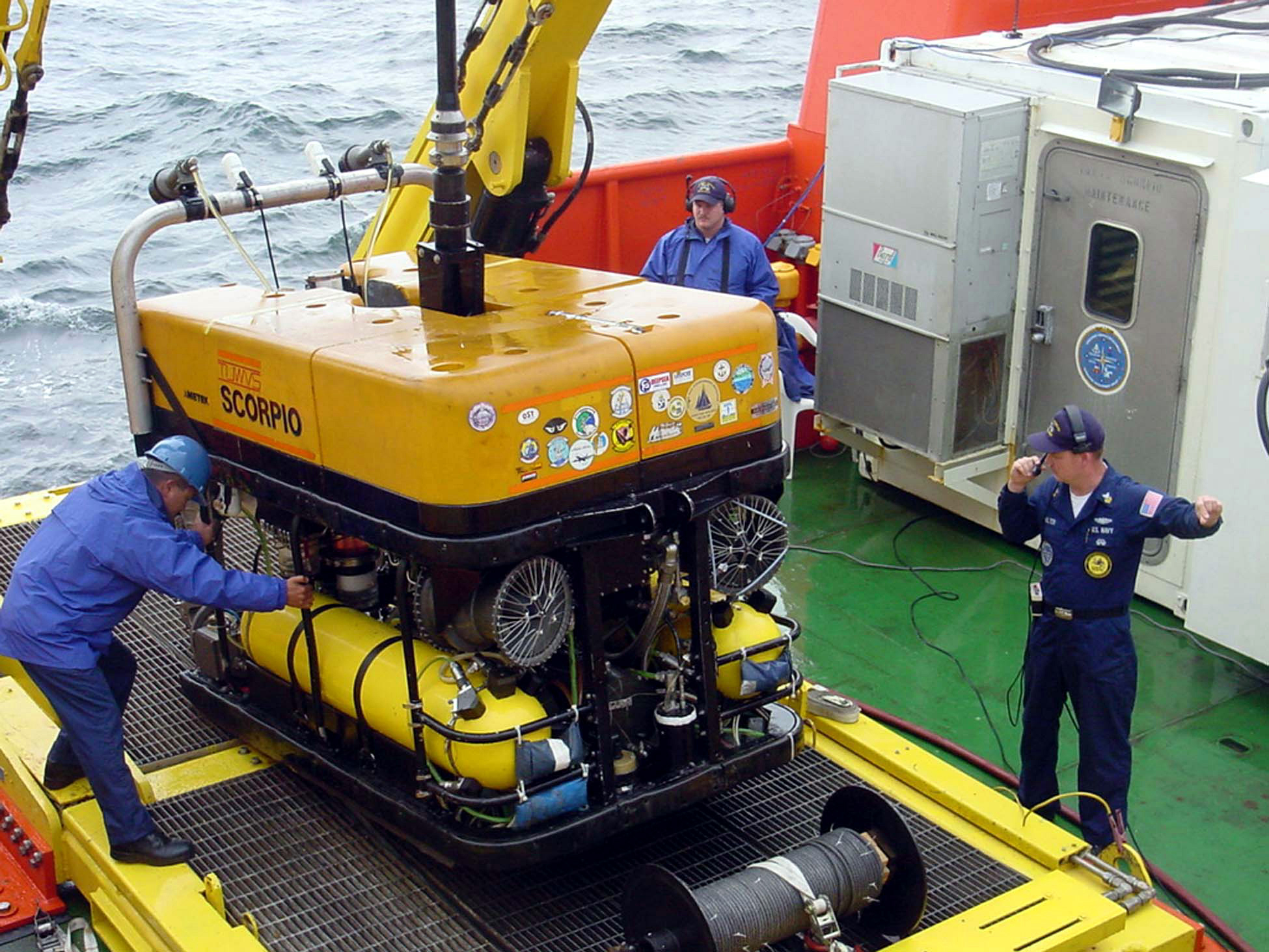
Remotely operated vehicles, or ROVs, controlled from a support vessel could play an equally important role. Equipped with high-definition cameras, powerful lights and robotic arms, the machines can examine wreckage at close range and, where feasible, retrieve smaller objects or position specialised equipment around the debris. ROVs have been used in previous major commercial aircraft recoveries, including the recovery of the Air France flight 447 recorders from the mid-Atlantic and the Australian-led search for MH370 debris on the floor of the Indian Ocean.
The Tribune’s sources did not name the foreign companies or experts being engaged, or confirm whether any contract has been signed. The Pakistan Navy had earlier used specialised equipment and side-scan sonar to identify a possible location of the black box on the seabed, and acoustic signals were used to scan the area at a depth of around 3,000 metres, but further progress now depends on more sophisticated underwater technology and specialised deep-sea salvage expertise, the sources said.
What is still uncertain
It is not yet clear when the new operation will begin, which firm will lead it, or how long it is expected to take. The Tribune story does not give a target timeline or budget, and the sources cited do not explain how the recovered materials would be transported to shore, where they would be analysed, or whether the Bureau of Air Safety Investigation, which is responsible for the formal inquiry, has set any deadline.
There is also no public indication of how the international expertise will interact with the Pakistan Navy’s earlier work, or whether any of the foreign specialists will travel to Pakistan to oversee the operation. The government has not confirmed whether the recorders, once located, would be opened and downloaded in Pakistan or sent abroad, as happened with the Cockpit Voice Recorder from Pakistan International Airlines flight 8303 after the 2020 Karachi crash.
The identities of the five crew members, who have been missing since 7 July, are the human core of the search. Investigators, the airline and the families have so far been left with the radar track, the airline’s account of the navigation fault and the loss of two-way contact, and the conflicting numbers and timelines reported in the first days. Until a recorder is recovered, those accounts cannot be definitively checked against the aircraft’s own data.
Sources & reporting notes
This is an update on an ongoing search, drawing on 19 October 2026 reporting by The Express Tribune and on the background published in the days after the 7 July 2026 crash. Sources were reviewed on 2026-10-19.
- The Express Tribune — "Foreign experts to find K2 Airways' black box"19 October 2026 · The new phase of the search, the sonar, AUV and ROV technology to be used, the 3,000-metre target depth and the loss of the recorder's beacon signal.
- Dawn — "Cargo plane disappears from radar over Arabian Sea off Karachi"8 July 2026 · Background on the navigation fault, the radar track of the descent and the initial navy-led search.
- DW — "Pakistan: Rescuers find wreckage of crashed cargo plane"8 July 2026 · Confirmation that surface wreckage was located off Ormara within twelve hours and that the five crew remained missing.
- Samaa TV — "Pakistan's cargo plane crashes near Karachi; 5 on board"7 July 2026 · The original crew list, the Sharjah repairs and the navy and air-force assets first dispatched to the search.