Reporting snapshot · 3 September 2026. The government and Jamaat-e-Islami agreed to negotiate, not to cut the levy; the committees' membership and terms were still to be settled.
What happened
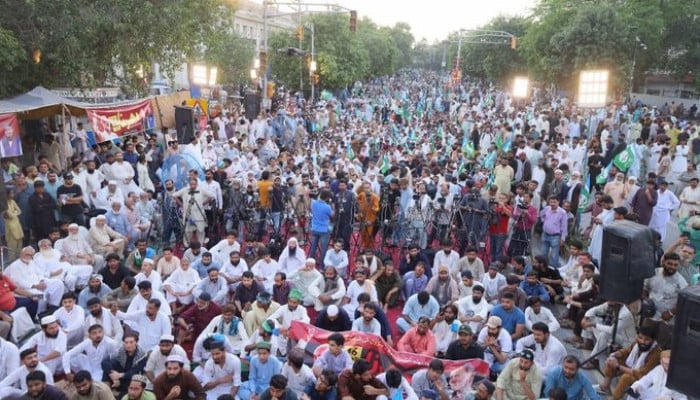
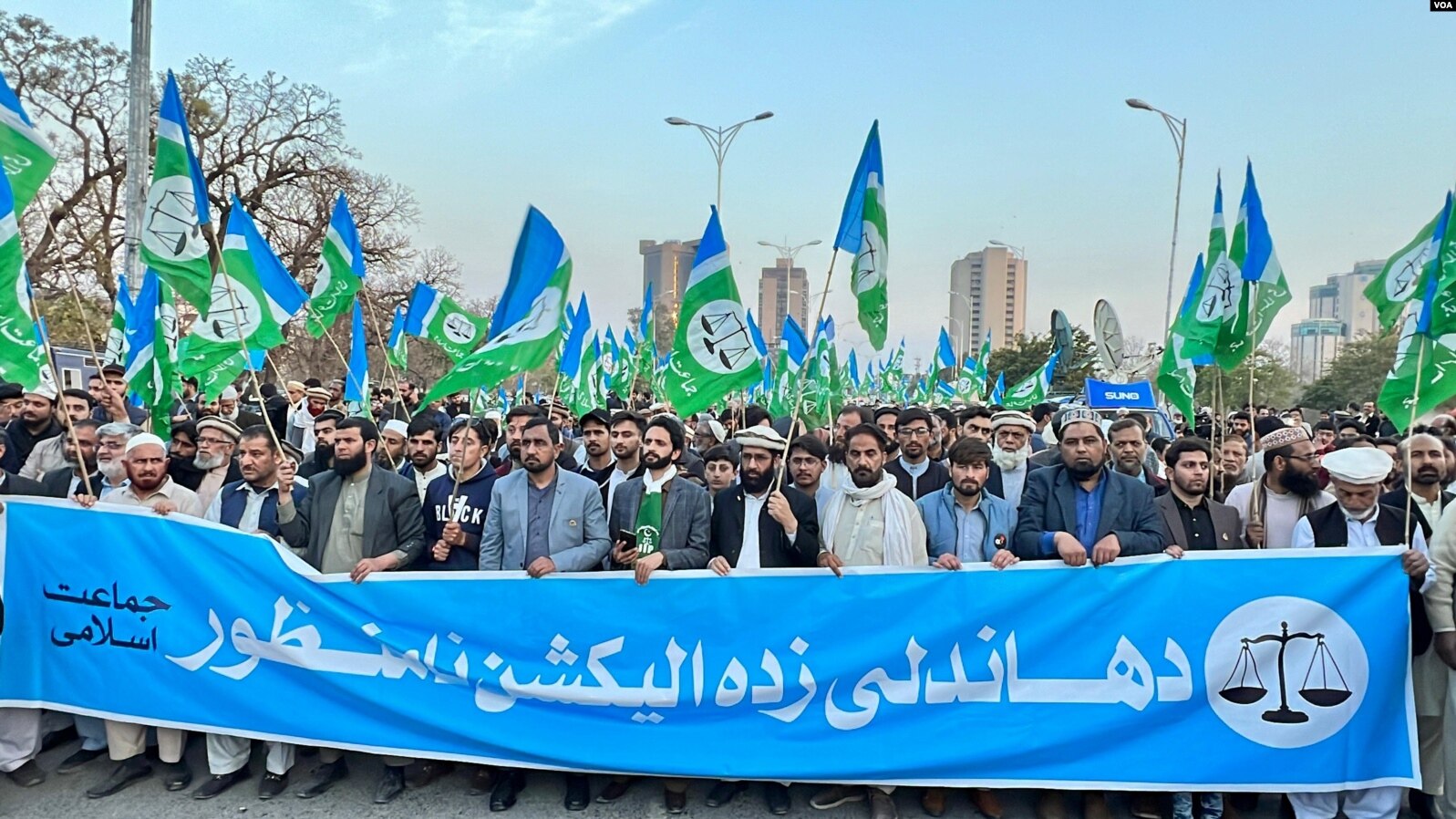
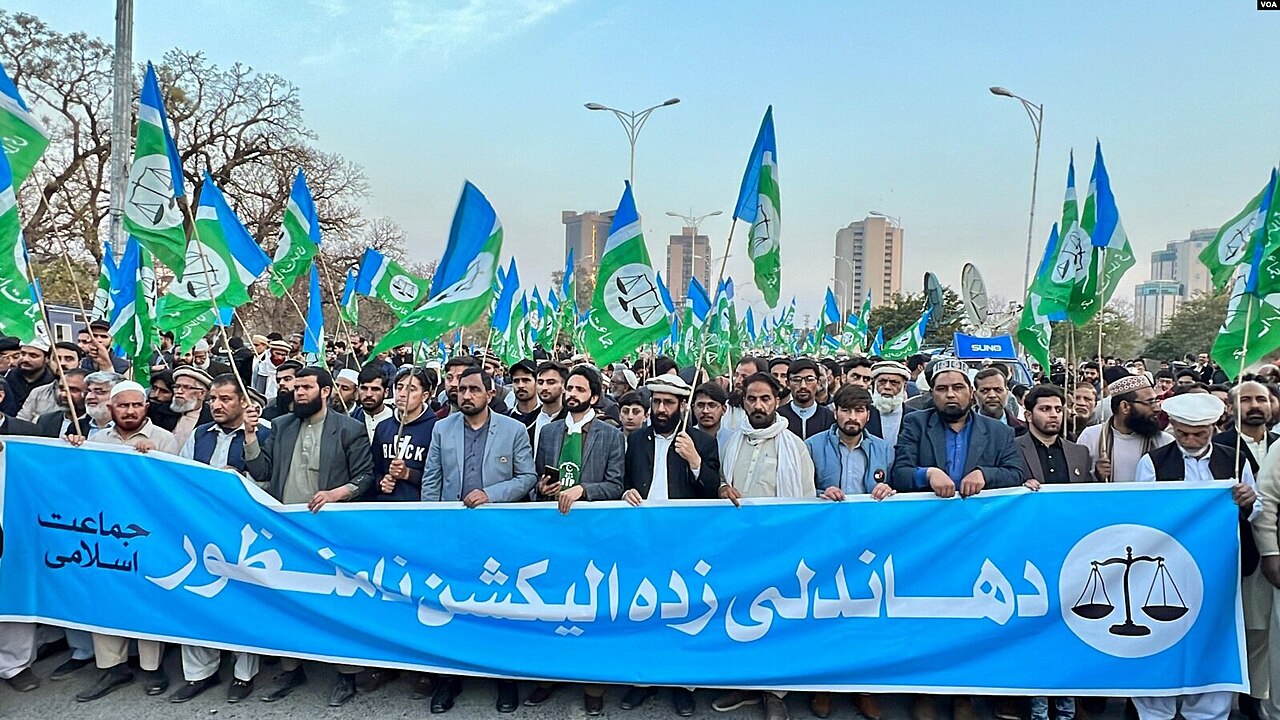
The government and Jamaat-e-Islami (JI) agreed on 3 September 2026 to form committees to examine relief measures, as a nationwide shutter-down strike called by the party over the petroleum levy produced uneven but sometimes disruptive closures across the country.
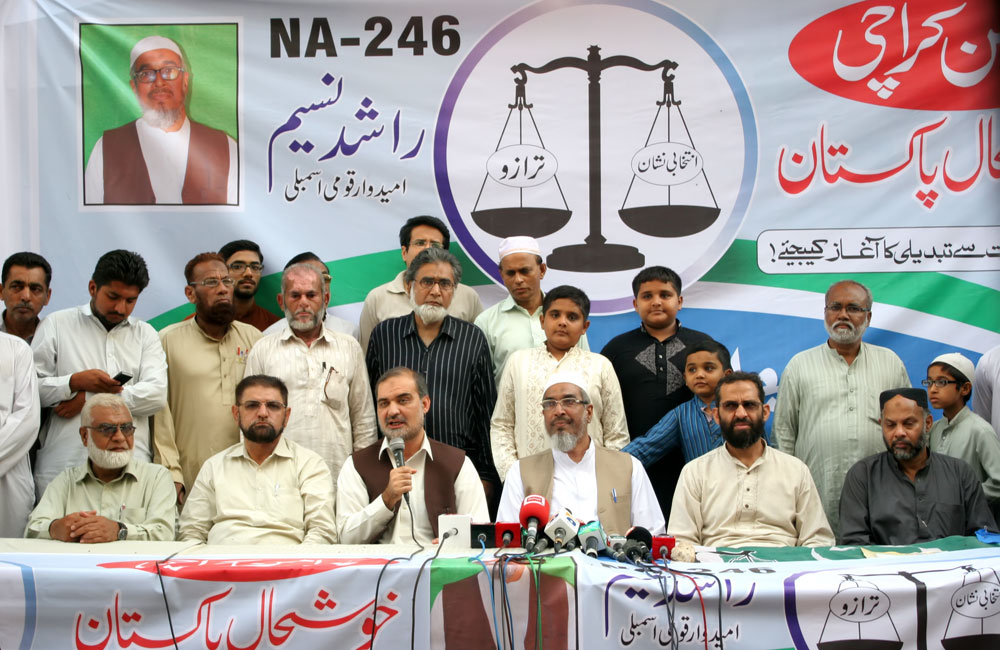
Federal Planning Minister Ahsan Iqbal announced the arrangement at a joint press conference in Lahore alongside JI Emir Hafiz Naeemur Rehman and the prime minister’s adviser on political affairs, Rana Sanaullah. Iqbal said the government had already constituted a committee and had asked the JI to name its own negotiating team. “If the Jamaat-e-Islami has proposals to reduce the petroleum levy, we will be happy to consider them,” he said, adding that the government wanted to provide maximum relief.
Hafiz Naeem said the party had formed a committee under Liaquat Baloch and that its demands included reducing petrol prices and the petroleum levy, lowering electricity costs and bringing down the price of bread. “Petroleum levy should be abolished, and the price of petrol should also be reduced,” he said. He claimed poverty had risen 33 per cent nationwide over six years and said Rs8 trillion had been collected through the levy since its introduction. He said the sit-ins would continue alongside the talks: “Sit-ins will continue, and talks will also continue.”
The strike: where it bit, and where it did not
In Karachi, JI’s city chief, Munim Zafar, claimed more than 300 small and large markets and petrol pumps were closed. The Karachi Bar Association backed the strike and said it would hold a peaceful rally, while the Orange Line bus rapid transit service was suspended because of a sit-in and the Green Line continued operating. Near Korangi Crossing, unidentified people burned a tyre and two motorcycles, blocking the road, and the Akbar Road motorcycle market stayed shut.
Closures were reported from Hyderabad, Thatta, Badin and Shikarpur, with Larkana and Hala in Matiari observing complete shutdowns. In Tharparkar, JI workers sold petrol at a symbolic Rs225 a litre. In Khyber Pakhtunkhwa, most shops on Peshawar’s Ashraf Road were closed while Qissa Khwani, Saddar and University Road largely traded, and lawyers boycotted court proceedings on the provincial bar council’s call; Lower Dir and markets in Batkhela, Dargai, Sakakot and Thana Baizai were shut.
The strike was largely ineffective in Punjab and Balochistan. Rawalpindi’s Raja Bazaar, Murree Road and Commercial Market stayed open, and Quetta’s main bazaars traded normally, with Khuzdar the notable exception. In Lahore, JI workers and traders confronted each other on Mall Road in a dispute over compliance that escalated into a scuffle and drew heavy police deployment.
Why it matters
The levy sits at the centre of a cost-of-living dispute. Fuel prices have risen sharply, and the government moved from a 15-day review to a daily mechanism amid volatility in global oil markets linked to renewed hostilities in the Middle East. The JI’s sit-ins in provincial capitals, launched on 16 August, had entered their 18th day, giving the party national visibility it is using to press an economic argument rather than a purely political one.
The agreement to form committees is a procedural step, not a concession. It lets both sides claim they are acting in good faith while leaving the levy in place for now and leaving the protests running. That combination limits the immediate political cost for the government but keeps the street pressure on.
What is still uncertain
The committees’ membership, timetable and terms of reference were not set out publicly, and neither side committed to a levy cut. The JI has said it will announce its next course of action after the strike; Hafiz Naeem had earlier raised the possibility of a long march on Islamabad and of consulting opposition parties. The government has not said what relief, if any, is fiscally feasible while it balances commitments under its IMF programme, and the cost of the strike to traders and transport was not quantified.
Sources & reporting notes
This is a contemporaneous summary of published reporting, not eyewitness reporting. Sources were reviewed on 3 September 2026.
- The News — Govt, Jamaat-e-Islami agree on talks, but protests to continue3 September 2026 · Joint press conference, JI demands, strike closures and the committees agreement.
- The Express Tribune — JI strike over petroleum levy shuts hundreds of markets in Karachi3 September 2026 · Karachi closures, bar association support and countrywide strike response.