What happened
Power Minister Awais Leghari said on Friday that the federal government was consulting the provinces on changes to market timings and other measures to hold down electricity use and limit a potential rise in power tariffs stemming from high gas and furnace-oil costs, Dawn reported.
He said the global energy crisis was not confined to oil, and that costlier natural gas and furnace oil could feed through to electricity prices. “We, under the leadership of Prime Minister Shehbaz Sharif, are trying to protect our people from such an increase in power tariffs,” he said, adding that conservation would reduce the fiscal and foreign-exchange burden on the country.
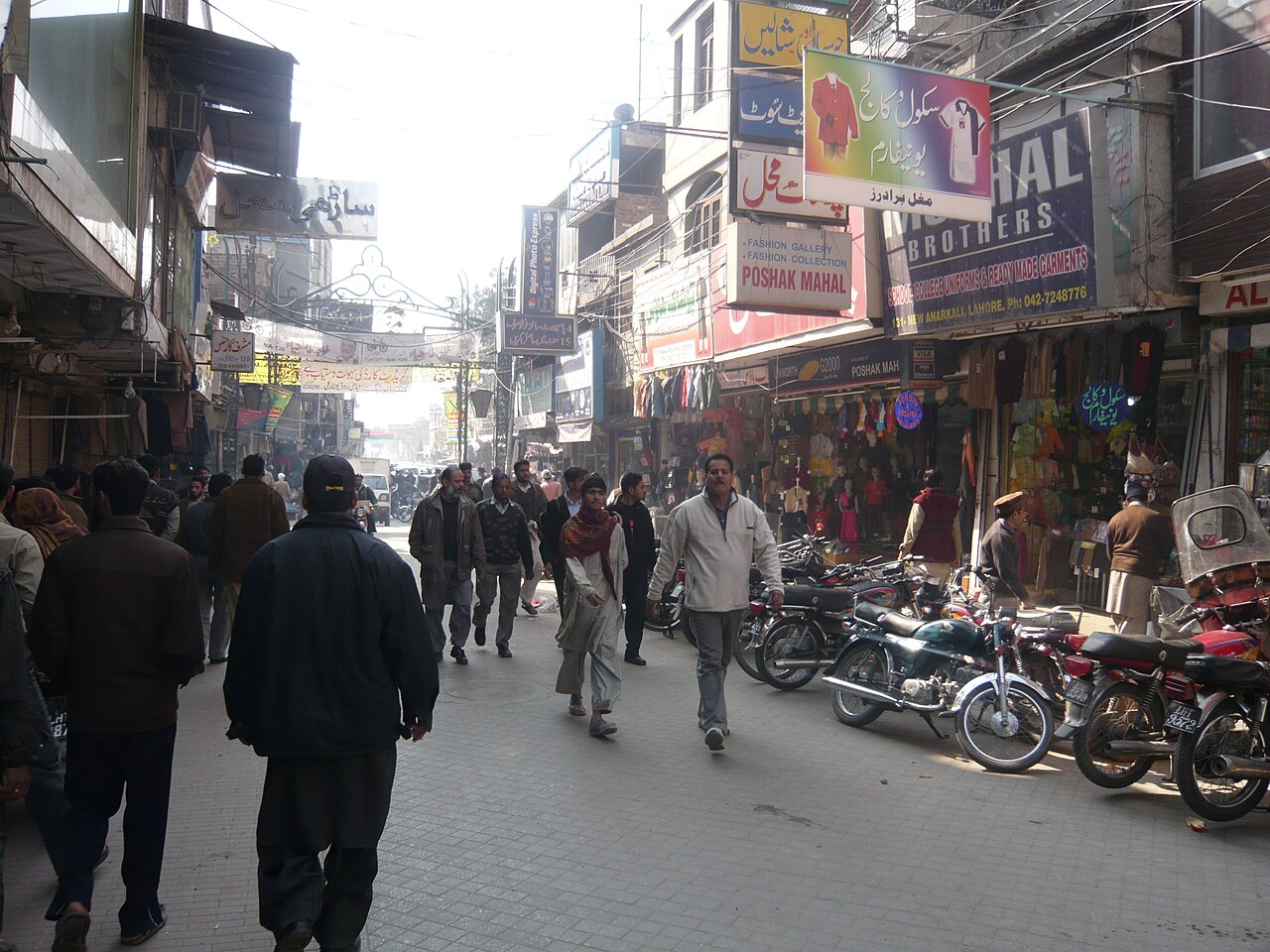
Separately, Ary News reported that a proposal had been circulated to shut markets, bazaars and commercial zones at 8pm and restaurants and hotels at 10pm. It said the Ministry of Energy had collected consumption data from all power distribution companies to estimate the savings and had asked provincial governments, chambers of commerce and trade organisations to submit feedback, with the programme expected to run initially for two months.
Why it matters
The conservation push follows a sharp increase in imported fuel costs driven by the US-Israel war on Iran and the disruption around the Strait of Hormuz, which has raised both the import bill and the cost of generating electricity from furnace oil. Night-time commercial activity is particularly exposed: officials have argued that electricity used after peak hours is more likely to come from costlier furnace-oil generation, making early closures one of the few levers that reduces consumption without new supply.
The government paired the proposal with figures for a scheme already in place. The Power Division said the Surplus Power Package, introduced in November at Rs22.98 per unit for incremental use, had benefited 203,367 industrial and agricultural consumers, with a first-quarter saving of Rs20.83 billion. Industrial consumers saved Rs19.6bn and agricultural consumers Rs1.14bn over December 2025 to February 2026, it said, during which the two sectors took an additional 2,164 gigawatt-hours, or 23 per cent of all units sold to them in the period.
What is still uncertain
No national timetable has been notified, and the final market hours will depend on consultations with traders and provincial governments; Punjab and Sindh had yet to confirm their schedules at the time of the reports. It is also unclear how long the timing restrictions would remain, how compliance would be enforced, and whether the savings would offset the tariff pressure the minister described rather than merely slow it.
Sources & reporting notes
This is a synthesis of published material, not eyewitness reporting. Sources were reviewed on 2026-04-04.
- Dawn — "Centre pushes energy savings measures"Published 4 April 2026 · Power Minister Awais Leghari's remarks on consulting provinces over market timings, gas and furnace-oil costs feeding power tariffs, and the Surplus Power Package's 203,367 consumers and Rs20.83bn first-quarter saving.
- ARY News — "Markets to close at 8 PM; restaurants at 10PM"Published 4 April 2026 · The proposed 8pm market and 10pm restaurant closures, DISCO consumption data, stakeholder consultation and the two-month pilot.