What happened
Four in 10 children aged 12-36 months living in high-risk areas of seven Pakistani cities were found to have lead in their blood, according to a joint study by the Ministry of National Health Services, Regulations and Coordination and Unicef, announced on Friday and reported on 2 May 2026.
The study sampled more than 2,100 children in high-risk industrial areas of Haripur, Islamabad, Karachi, Lahore, Peshawar, Quetta and Rawalpindi. Children in Hattar, Haripur, were the most affected, with 88 per cent having high levels of lead in their blood, compared with 1 per cent of children in Islamabad.
Secretary Health Muhammad Aslam Ghauri said protecting children from lead exposure was a national public health priority and that the government was committed to strengthening surveillance, improving enforcement of standards and integrating prevention into child health programmes. Unicef Representative in Pakistan Pernille Ironside said children can absorb up to five times more lead than adults, and that there is no safe level of exposure for children.
Why it matters
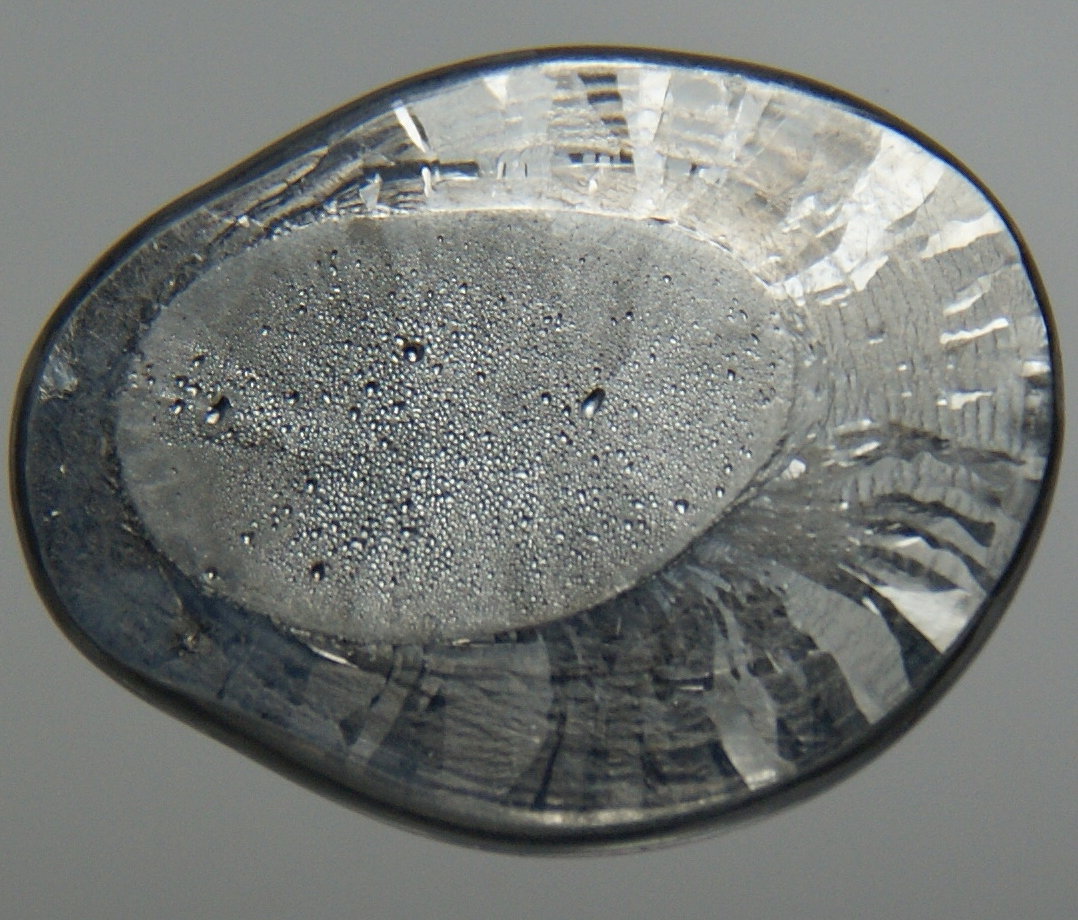
Lead exposure can stunt growth, cause anaemia and weaken the immune system, while lowering IQ, reducing attention span and impairing memory, raising the risk of learning difficulties and behavioural problems, Unicef said. The study identified potential sources of exposure including industrial emissions, informal battery recycling, lead-based paints, contaminated spices and food, and traditional cosmetics, and said risks persisted because of gaps in regulatory enforcement, monitoring and public awareness.
Unicef said global estimates suggest up to eight in 10 children in the country may be affected, among the highest rates globally, and that lead exposure is linked to long-term economic losses estimated at 6 to 8 per cent of GDP, or $25 billion to $35 billion a year.
What is still uncertain
The study covered children in selected high-risk areas rather than a national sample, and the reported differences between cities were wide. The government did not announce a timeline or funding for the surveillance and enforcement measures it said it would pursue, and the study did not estimate how many children nationwide might need testing or treatment.
Sources & reporting notes
This is a synthesis of published material, not eyewitness reporting. Sources were reviewed on 2026-05-02.
- Primary source — Dawn: “40pc children in seven cities have lead in their blood, study finds”2 May 2026 · Reports the joint health ministry and Unicef study, its findings by city, and the officials' statements.