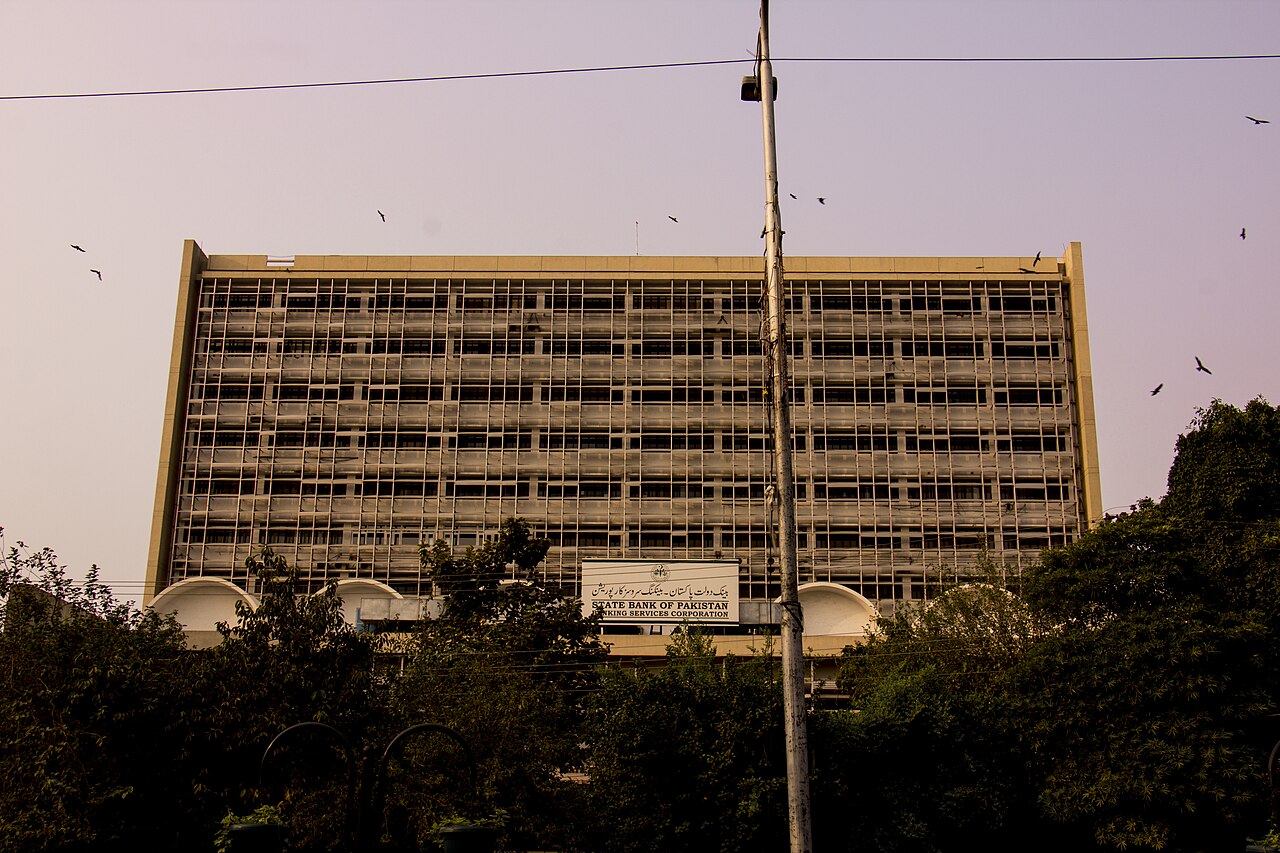
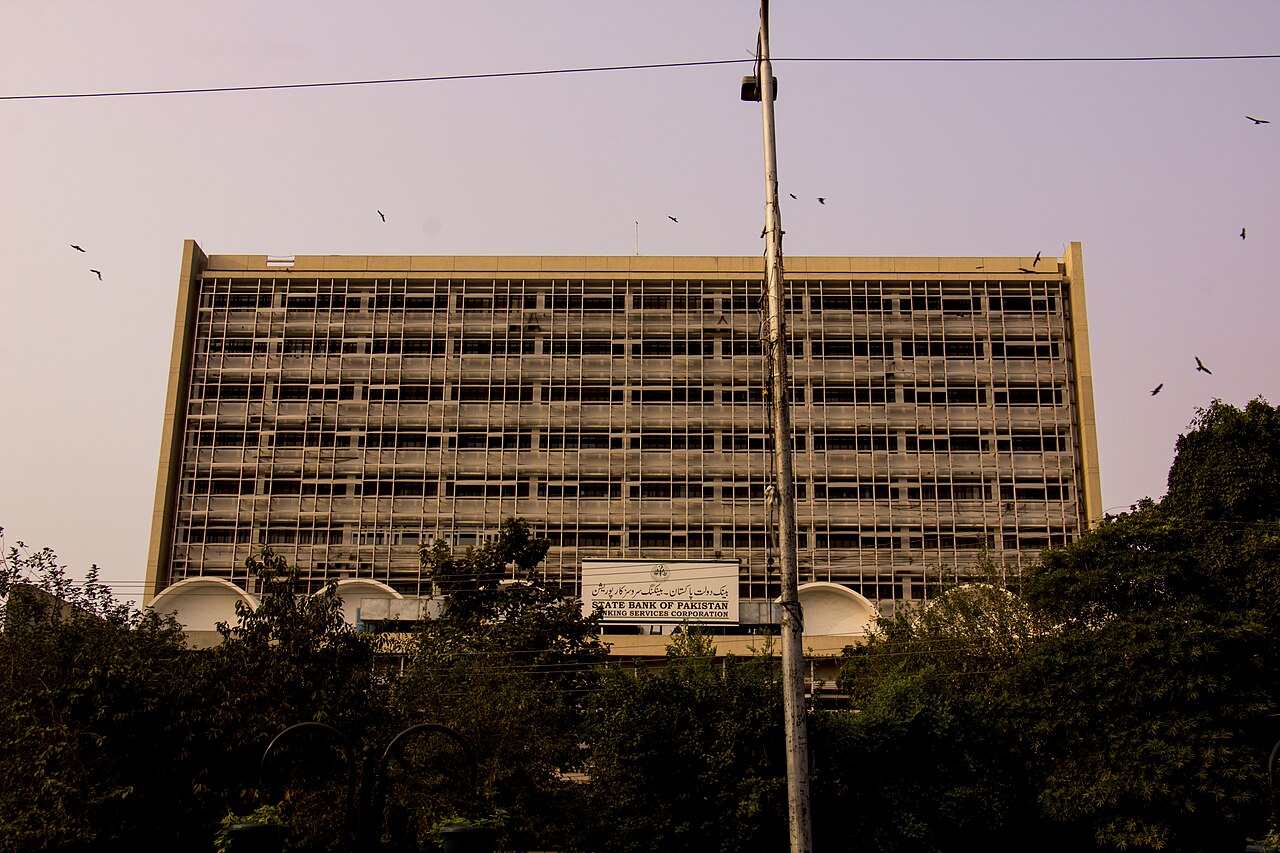
Reporting snapshot · 3 September 2026. The figures and characterisations below come from the Ministry of Finance and from Finance Minister Muhammad Aurangzeb's remarks; an independent breakdown of the final order allocation was not available at the time of writing.
What happened
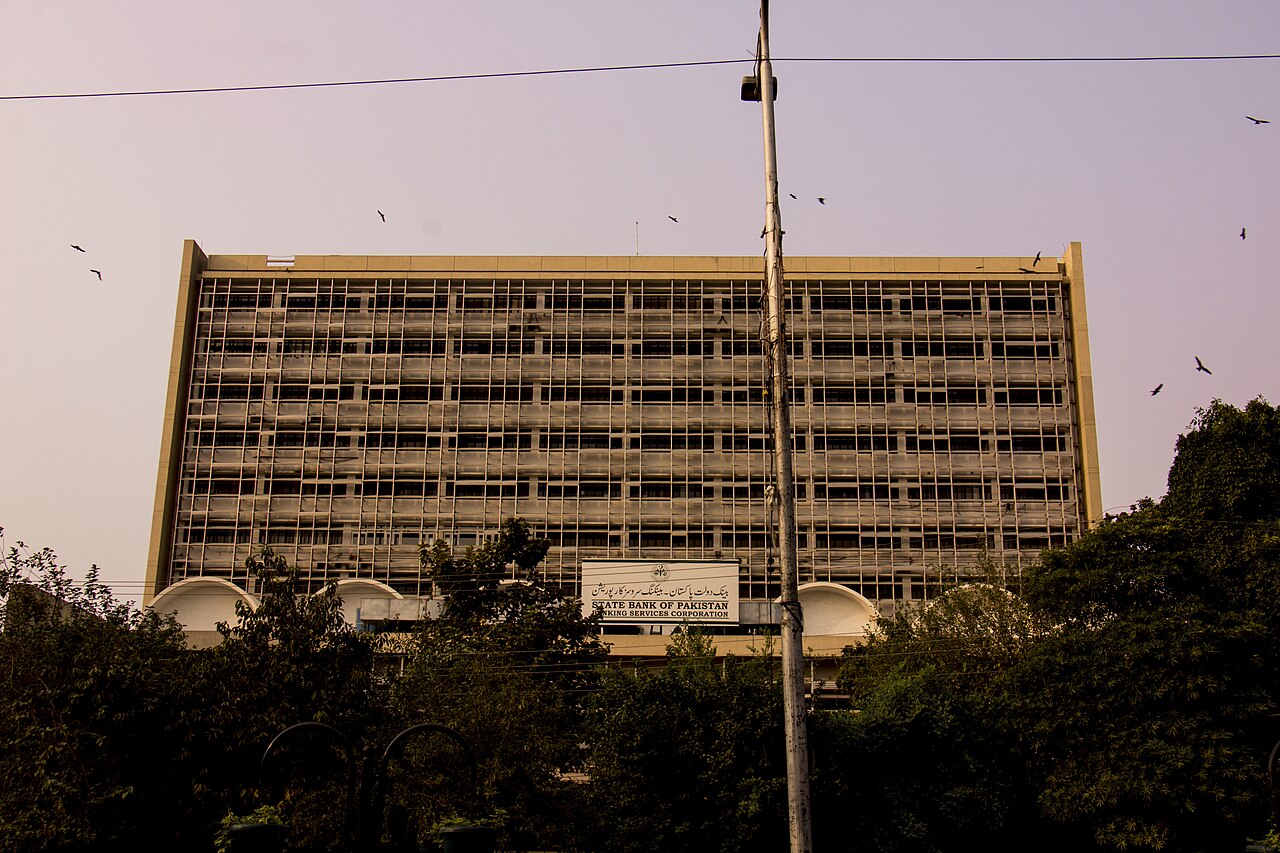
Pakistan raised $3 billion through a dual-tranche Eurobond, the Ministry of Finance said on 3 September 2026, describing it as the country’s single largest international capital-market transaction. The issue attracted nearly $6 billion in orders, almost twice the amount sold, according to the ministry.
The transaction was split between $1.75 billion in 5.5-year notes carrying a 7.5 per cent coupon and $1.25 billion in 10-year notes at 7.9 per cent. The ministry said the pricing and the depth of demand, including for the longer tenor, reflected international investors’ reassessment of Pakistan’s macroeconomic and credit position.
It was the first issuance under the country’s renewed strategic Global Medium-Term Note (GMTN) Programme, following an inaugural Panda Bond and a series of sovereign credit-rating upgrades. In April, the government raised $500 million through a three-year Eurobond at 6.975 per cent under the same programme and later increased it to $750 million through a green-shoe option; that bond matures in April 2029. Pakistan also repaid a $1.4 billion Eurobond that matured in April, re-establishing an external pricing benchmark after several years of relying on multilateral, bilateral and commercial financing.
Why it matters
For a government that has spent three years rebuilding credibility with lenders, the sale is a test of whether it can borrow for longer and at a manageable cost rather than depending on short-term rollovers. The ministry framed the outcome as active sovereign liability management, saying the aim was to extend maturities, diversify funding sources and reduce refinancing risk. It said demand came from institutional investors across Asia, the Middle East, Europe and the United States.
Speaking at a high-level ADB dialogue on taxation for fiscal sustainability in Islamabad the same day, Finance Minister Muhammad Aurangzeb said the transaction was external validation of the government’s economic programme. He cited three credit-rating upgrades since April last year, a fiscal deficit at a 22-year low, three consecutive years of primary surpluses, and a tax-to-GDP ratio that had risen from 8.1 per cent to 10.3 per cent. He added that Pakistan was also examining Sukuks, rupee-denominated dollar-settled bonds and further Panda Bonds.
What is still uncertain
The ministry’s account is a self-assessment, and the statement did not independently detail the final allocation of orders across investors. The 7.9 per cent coupon on the 10-year tranche remains a useful measure of the premium Pakistan pays relative to peers. Whether the sale marks a durable return to market financing or a one-off demonstration of appetite will depend on the budget, the pace of reforms and investor sentiment at the next issuance. The ministry said the wider significance “goes well beyond the amount raised”, but the cost of servicing the new debt will show up in future budgets.
Sources & reporting notes
This is a contemporaneous summary of published reporting, not eyewitness reporting. Sources were reviewed on 3 September 2026.
- Dawn — Pakistan raises $3bn through dual-tranche Eurobond sale3 September 2026 · Ministry of Finance statement on the issuance, tranche pricing, order book and GMTN programme.
- The Express Tribune — Pakistan raises $3b in largest-ever international bond transaction3 September 2026 · Finance Minister Aurangzeb's remarks and the fiscal and rating context.