What happened
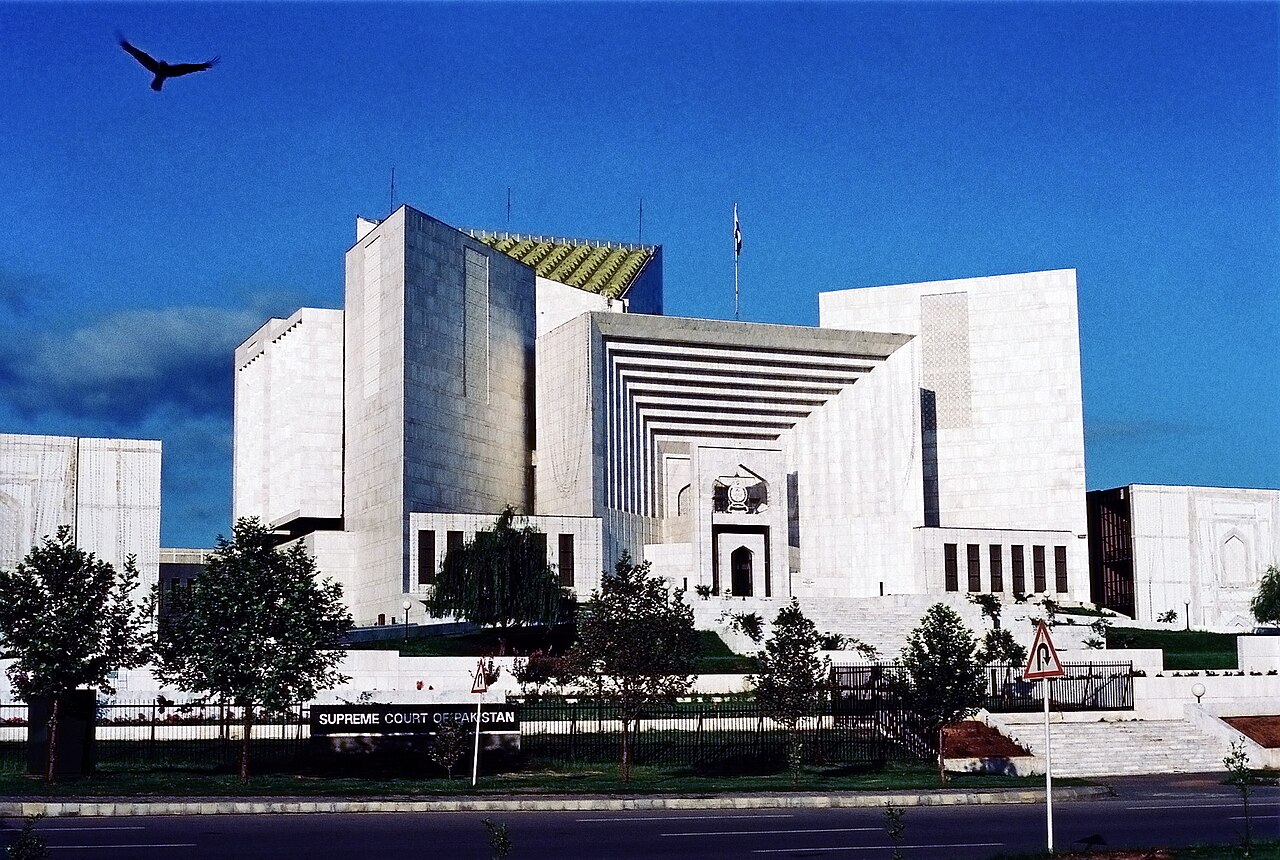
The Federal Constitutional Court (FCC) on Wednesday, 1 April 2026, directed Khyber Pakhtunkhwa Chief Minister Sohail Afridi to respond within 10 days to a petition seeking to prevent the mobilisation or activation of a “release force” for jailed PTI founder Imran Khan, Dawn reported.
A three-judge bench headed by FCC Chief Justice Aminuddin Khan also issued notices to the respondents named in the petition: the KP government, the PTI, the federal government and the Election Commission of Pakistan. The court asked the federal government to ensure the law was not violated and that the public at large was protected.
The proposed force was announced by CM Afridi in February after a days-long protest to secure a meeting with Imran failed to move the government. Imran has been imprisoned in Rawalpindi’s Adiala jail since 5 August 2023.
The petition
The petition was filed before the FCC by Advocate Ali Nawaz Kharal, who said he was acting in the public interest. It sought the court’s intervention to prevent the formation or mobilisation of any private force or militia in violation of the Constitution, and asked the court to stay the formation of such a force.
The petition argued that a sitting chief minister’s statement to form such a force was not only shocking but in violation of the oaths he had taken as an elected member of a provincial assembly and as the provincial chief executive. It noted the constitutional prohibition on private militias under Article 256 and the Private Militias (Abolition and Prohibition) Act, 1974, and cited Article 5 on the duty of loyalty to the state and Article 17 on freedom of association. Though the force had not been formally constituted, the public announcement of its intended formation, structure and mobilisation had generated “grave concern” and “an atmosphere of fear, uncertainty, unrest, and panic,” the petition said.
During the hearing, Justice Ali Baqar Najafi asked whether the provincial cabinet had granted permission for the formation of such a force. The counsel responded that it had not.
Why it matters
The case tests whether a provincial government can organise a movement it describes as political mobilisation without crossing the constitutional bar on private militias. The petition’s authors concede the force has not yet been operationalised, which puts the court in the position of ruling on an announced intention rather than an existing body.
When announced, the proposal divided the PTI and drew concern from party leaders who questioned the rationale for the force. PTI leader Salman Akram Raja had said the party would start registration for the movement after Eidul Fitr, Dawn reported.
What happens next
CM Afridi has 10 days to file his response. The FCC has not stayed the proposed force at this stage; it has instead put the KP government and the other respondents on notice and left the federal government with a duty to ensure the law is upheld.
Sources & reporting notes
This is a summary of published reporting, not eyewitness coverage. The source was reviewed on 1 April 2026.
- Dawn — FCC seeks response from KP CM Afridi over plans to form 'Imran Khan release force'1 April 2026 · The FCC's 10-day notice, the bench and respondents, the petition's Article 256 and Article 17 arguments, Justice Ali Baqar Najafi's question, and the PTI's post-Eid registration plans.
- KhabarWire — PTI ends Islamabad sit-in and presses demand for Imran Khan's release18 February 2026 · Internal coverage of the sit-in that preceded CM Afridi's announcement of the proposed 'release force'.