What happened
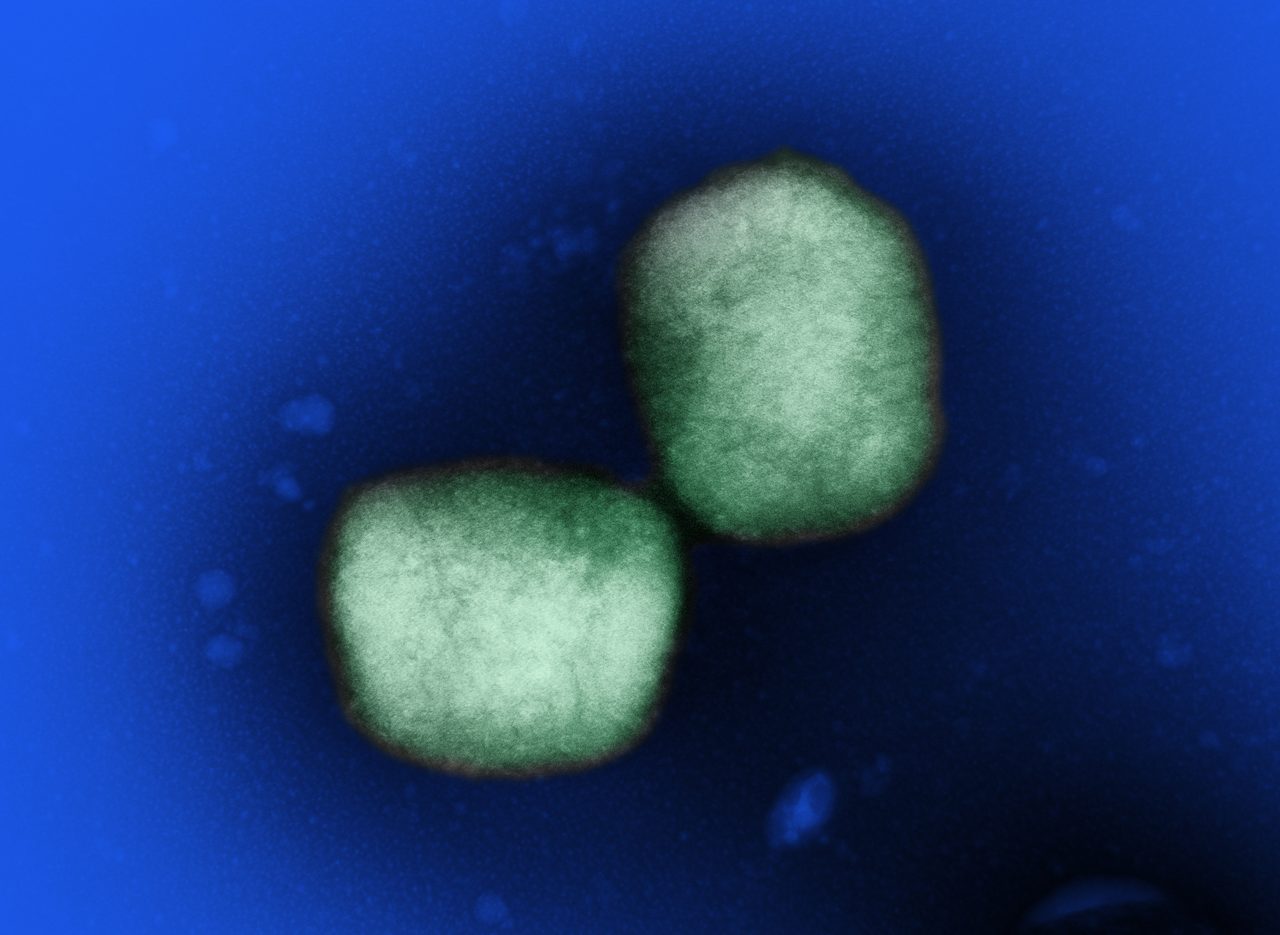
Sindh’s health department confirmed that mpox had been detected in seven newborn babies in Khairpur district, four of whom died, in what officials described as the first local outbreak of the zoonotic viral infection in Pakistan. The findings emerged on Saturday.
The department said samples analysed at the Sindh Public Health Laboratory, Dow University of Health Sciences and the Aga Khan University Hospital had confirmed seven cases of mpox. “Initial findings showed that four of the seven children [who died] were affected by mpox,” it said in a statement.
A medical review, however, concluded that the deaths were not directly caused by the virus. “All children who died were premature, too weak and had low birth weight. They were already suffering health complications caused by malnutrition,” the statement said.
The neonatal intensive care units of the Khairpur Medical College Hospital and a private hospital were temporarily closed to prevent the spread of the virus. Officials said an expert team had identified the index case and the possible sources of transmission, and that contact tracing was under way with hospitals told to enforce infection-control protocols.
Sources said the infants appeared to have acquired the infection from unsterilized equipment, an account that has not been independently confirmed. The outbreak first came to light on 14 March, when unusual skin lesions were reported among newborns in the district.
Sukkur Commissioner Abid Saleem Qureshi wrote to the Sindh health secretary about an “emergency-like situation” in Khairpur and Sukkur. His letter said that of 16 reported cases of a “chickenpox-like” illness, seven children had died, most of them newborns whose mothers had shown similar symptoms. He directed the Khairpur district health officer to begin comprehensive contact tracing and formed a rapid response team.
Why it matters
Mpox had previously been detected in Pakistan mainly in people arriving from abroad, so a cluster among hospitalised newborns points to a hospital-based chain of transmission and raises questions about infection prevention in public and private facilities. Cases of unusual skin lesions were also being reported in Sukkur, Khairpur, Mirpurkhas and Hyderabad, according to officials, suggesting the investigation could widen.
The health department’s position that the deaths were driven by prematurity, low birth weight and malnutrition rather than mpox itself means the clinical picture is more complex than the case count alone suggests.
What is still uncertain
The precise route of transmission and whether there is wider community spread beyond the reported neonatal cases have not been established. Officials have not said how many contacts are being monitored or how long the affected neonatal units will remain closed, and the unsterilized-equipment explanation is attributed to sources rather than confirmed by the department.
Sources & reporting notes
This is a synthesis of published material, not eyewitness reporting. Sources were reviewed on 2026-04-05.
- Dawn — "Khairpur sees mpox outbreak as seven babies test positive"Published 5 April 2026 · The seven confirmed neonatal mpox cases, four deaths, the laboratory confirmation by the Sindh Public Health Laboratory, DUHS and AKUH, the health department's statement, the closed neonatal units, the suspected unsterilized-equipment route and the Sukkur commissioner's contact-tracing directive.
- The News — "Seven children die in Khairpur; mpox confirmed in multiple cases"Published 5 April 2026 · Confirms seven newborn deaths, mpox in four of them, the 14 March detection of unusual skin lesions and the infection-control lapses identified by investigators.