What happened
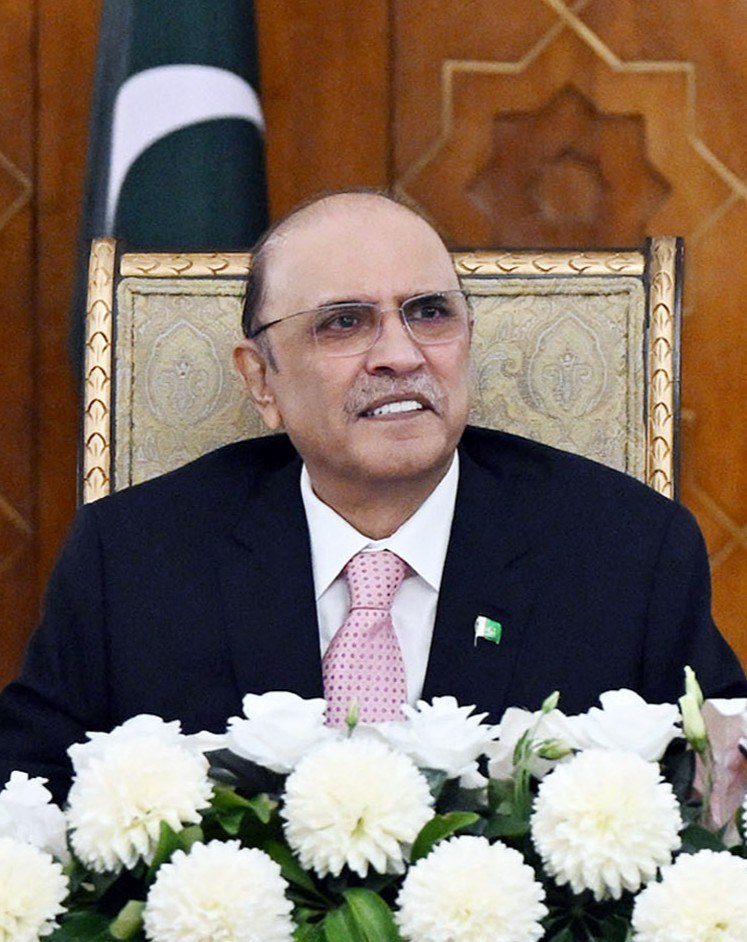
Pakistan’s federal government is considering notifying the appointment and confirmation of high court judges even though President Asif Ali Zardari has not formally approved the recommendations made by the Judicial Commission of Pakistan (JCP), according to reporting by Dawn.
The JCP, at meetings on 20 and 21 July 2026, recommended the appointment of 19 additional judges to the high courts, confirmed the services of four additional judges of the Peshawar High Court and one additional judge of the Lahore High Court, and extended the tenure of an additional judge of the Sindh High Court by six months. The appointments have not been notified by the Ministry of Law and Justice because the president has not approved the summary.
Citing informed sources, Dawn reported that the government is examining the possibility of invoking Article 48(1) of the Constitution to issue the notification, arguing that the president was required to act on the summary within a fortnight of its submission and that the period had expired.
Minister of State for Law and Justice Barrister Aqeel Malik said the government would resolve the matter within the constitutional framework and in line with the procedure prescribed by the Constitution and the principles laid down by the superior courts.
Why it matters
The standoff touches on the division of powers between the presidency, the prime minister and the judiciary, and on the process for appointing superior court judges. Presidency sources cautioned against bypassing the prescribed procedure, warning that it could trigger political and legal complications, and said Articles 48(1) and 48(2), together with Article 175A(8), left room for differing interpretations. They argued that any ambiguity should be resolved through mutual consultation between the president and the prime minister rather than unilateral action.
The dispute also reached the courts. The Islamabad High Court reserved its verdict on the maintainability of a petition filed by advocate Luqman Zafar Chaudhary, through counsel Zahid Asif Chaudhry, asking the court to direct the president to approve the summary forwarded by the prime minister. Justice Arbab Muhammad Tahir took up the plea, during which the petitioner’s counsel argued that the president’s role in the process was ceremonial and that notifications could be issued even without presidential assent. The court declined a request to issue notices at that stage and reserved its decision on maintainability.
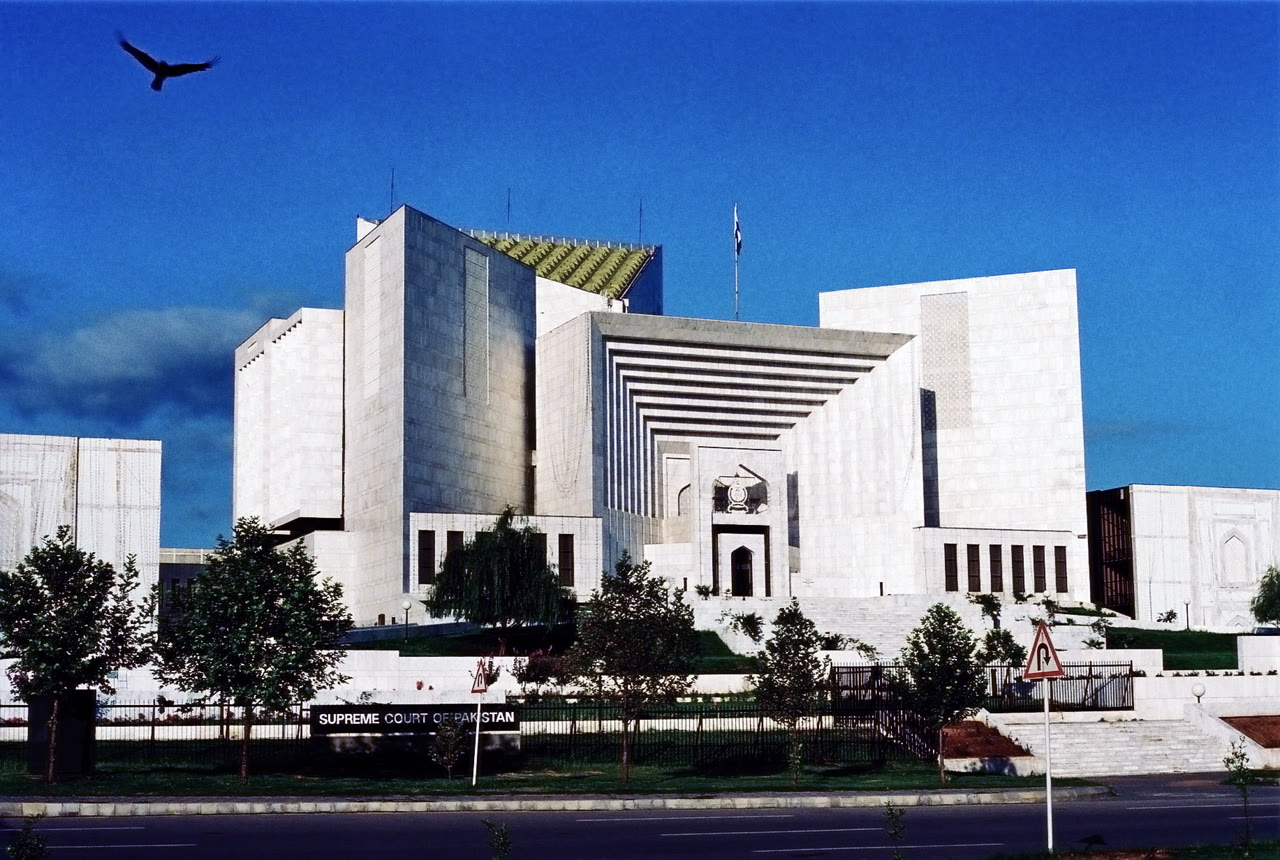
Dawn reported that legal experts have noted the Supreme Court previously held that the president lacks discretion in appointing superior court judges and must act on the prime minister’s advice.
Sources & reporting notes
This is a summary of published reporting, not independent reporting. Details are as carried by the cited source, which was reviewed on 7 August 2026. Claims about the government's internal deliberations are attributed to sources cited by the outlet.
- Dawn — "Govt mulls bypassing Zardari's assent for judges' appointment"7 August 2026 · The JCP recommendations, the possible use of Article 48(1), the presidency's objections and the Islamabad High Court proceedings.